Breaking every yoke requires theological renewal, structural transformation, grassroots praxis, and holistic liberation, stresses Filipino theologian Rev. Eric P. Baldonado
Programme Review and Programme Direction

Two key deliberative sessions during the 15th CCA General Assembly are the Programme Review and Programme Direction sessions.

The Programme Review and Programme Direction sessions will both be conducted in three groups relating to the CCA’s programme areas, namely, (i) General Secretariat (GS), (ii) Mission in Unity and Contextual Theology (MU) and Ecumenical Leadership Formation and Spirituality (EF); and (iii) Building Peace and Moving Beyond Conflicts (BP) and Prophetic Diakonia (PD).

Assembly participants will have the option to join one of three groups for both the Programme Review and Programme Direction sessions. For the sake of coherence, the assigned group will remain the same for both sessions.

General Secretariat

The General Secretariat oversees the coordination of programmatic, administrative, and financial activities of the organization. The GS comprises various departments such as church and ecumenical relations, relations with ecumenical partners, finance, administration, and communications, which provide crucial support and services for the implementation of programs and contribute to the overall functioning of the CCA.

Programmes: Relations with member churches and councils, ecumenical partners; advocacy at the United Nations; ecumenical responses to emerging issues in solidarity; income development and finance; and communications.

Mission in Unity and Contextual Theology (MU) and Ecumenical Leadership Formation and Spirituality (EF)

Under the MU programme area, the CCA accompanies Asian churches to strengthen their mission and witness in multi-religious contexts, revitalise and nurture church unity and the Asian ecumenical movement, and develop contextual theological foundations.

Programmes: Asian Movement for Christian Unity (AMCU); Congress of Asian Theologians (CATS); Asian women doing theology in the context of wider ecumenism; contextualisation of theology in Asia and ecumenical theological education.

The EF programme area focuses on nurturing and developing ecumenical leaders in Asia. The programme aims to enhance spiritual formation and theological understanding, enabling people to actively engage in ecumenical dialogue and collaboration.

Programmes: Ecumenical Enablers’ Training in Asia (EETA); Asian Ecumenical Institute (AEI); Youth and Women Leadership Development; Ecumenical Spirituality and Nurturing of Contextual Liturgical Traditions; Asia Sunday

Building Peace and Moving Beyond Conflicts (BP) and Prophetic Diakonia and Advocacy (PD)

The BP programme area is dedicated to promoting peace, justice, and reconciliation in Asia’s diverse contexts. Through training, advocacy, and dialogue, the programme addresses the root causes of conflicts, empowers communities, and fosters sustainable peacebuilding initiatives.

Programmes: Pastoral Solidarity Visits; Churches in Action for Moving Beyond Conflict and Resolution; Young Ambassadors of Peace in Asia (YAPA); Ecumenical Women’s Action Against Violence (EWAAV); Eco-Justice for Sustainable Peace in the Oikos.

The PD programme area focuses on promoting justice, human rights, and social transformation in Asia. Through advocacy, capacity-building, and raising awareness, the programme addresses systemic injustice, empowers marginalised communities, and advocates for prophetic actions and meaningful change.

Programmes: Human Rights advocacy; Migration, Statelessness, and Trafficking in Persons; Asian Ecumenical Disability Advocacy Network; Asian Advocacy Network on the Dignity and Rights of Children (AANDRoC); Ecumenical Solidarity Accompaniment and Diakonia in Asia (ESADA); Health and Healing; Good Governance; Action Together to Combat HIV and AIDS in Asia (ATCHAA).

No preference updated.

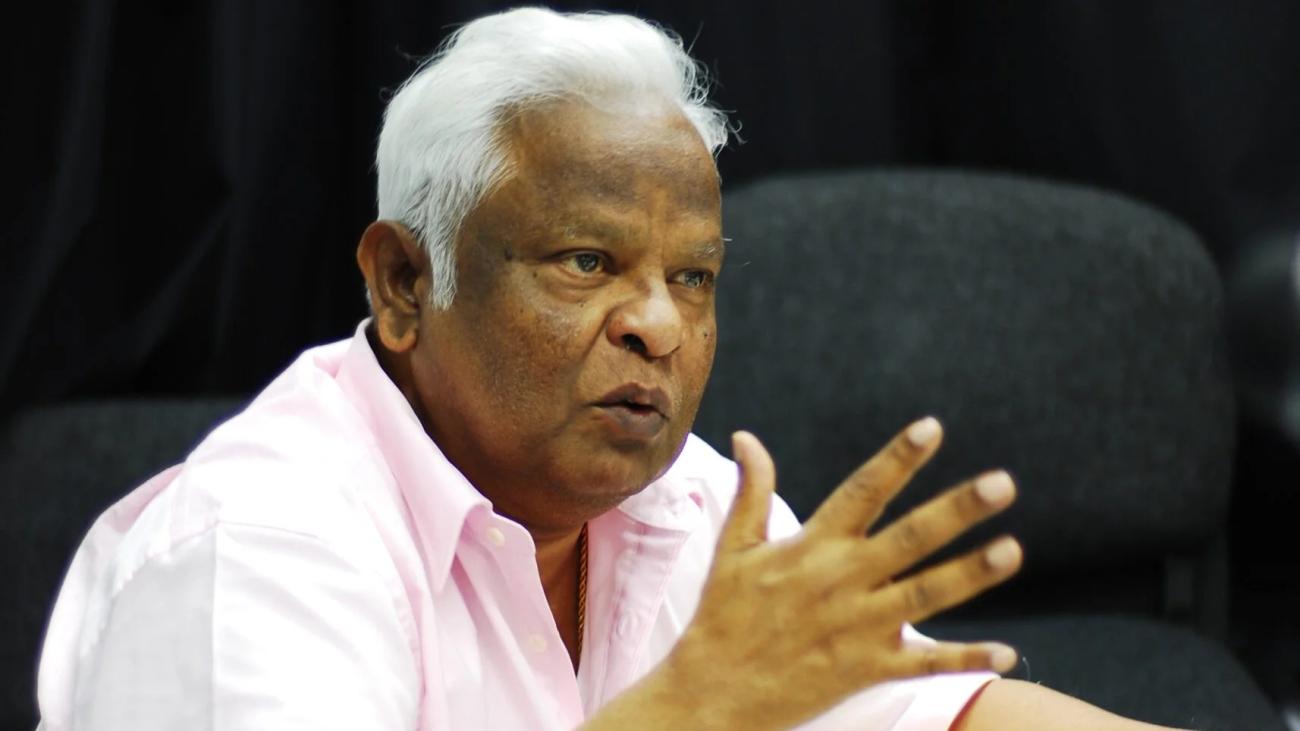
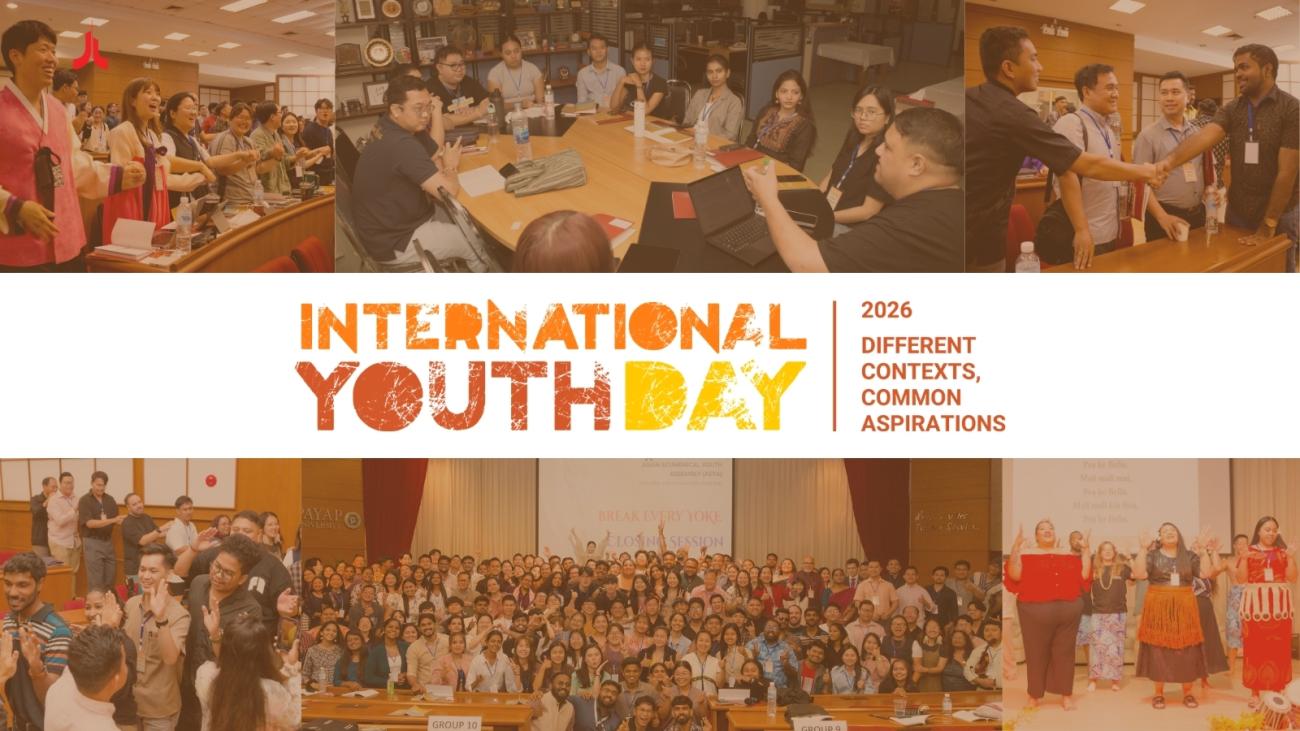
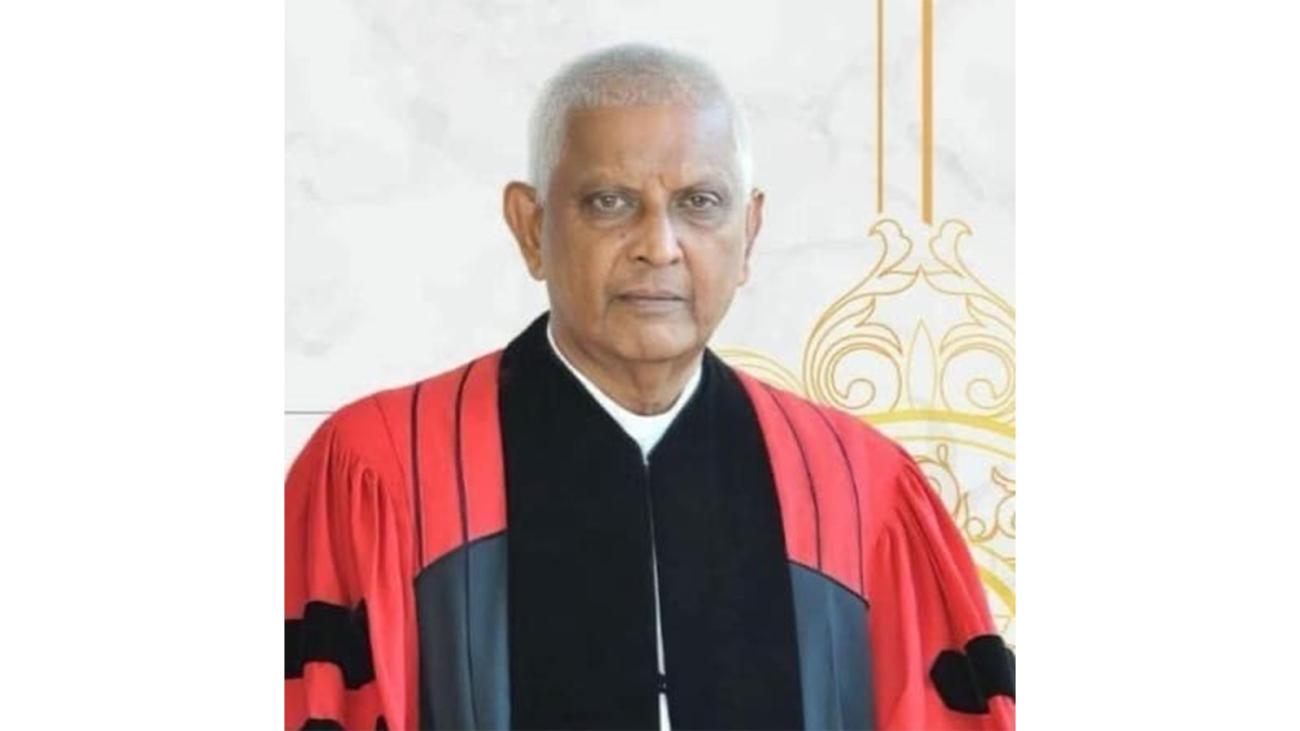
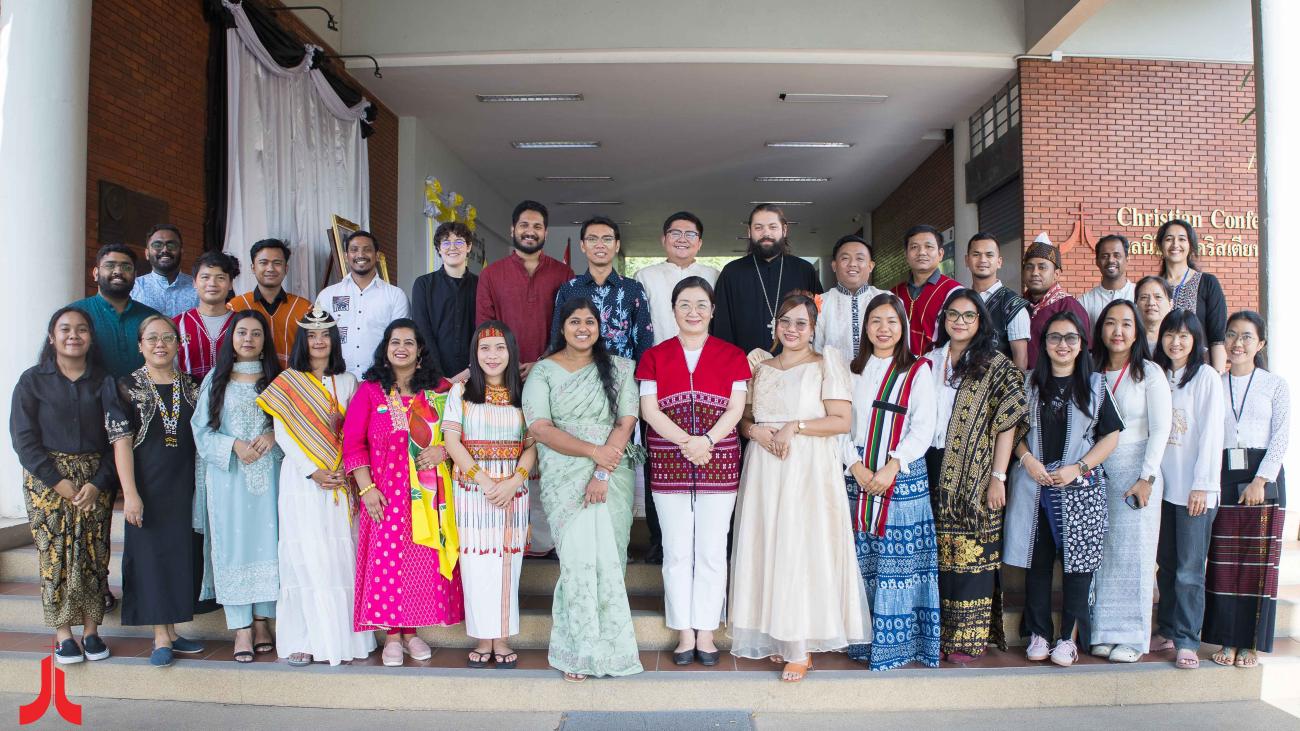
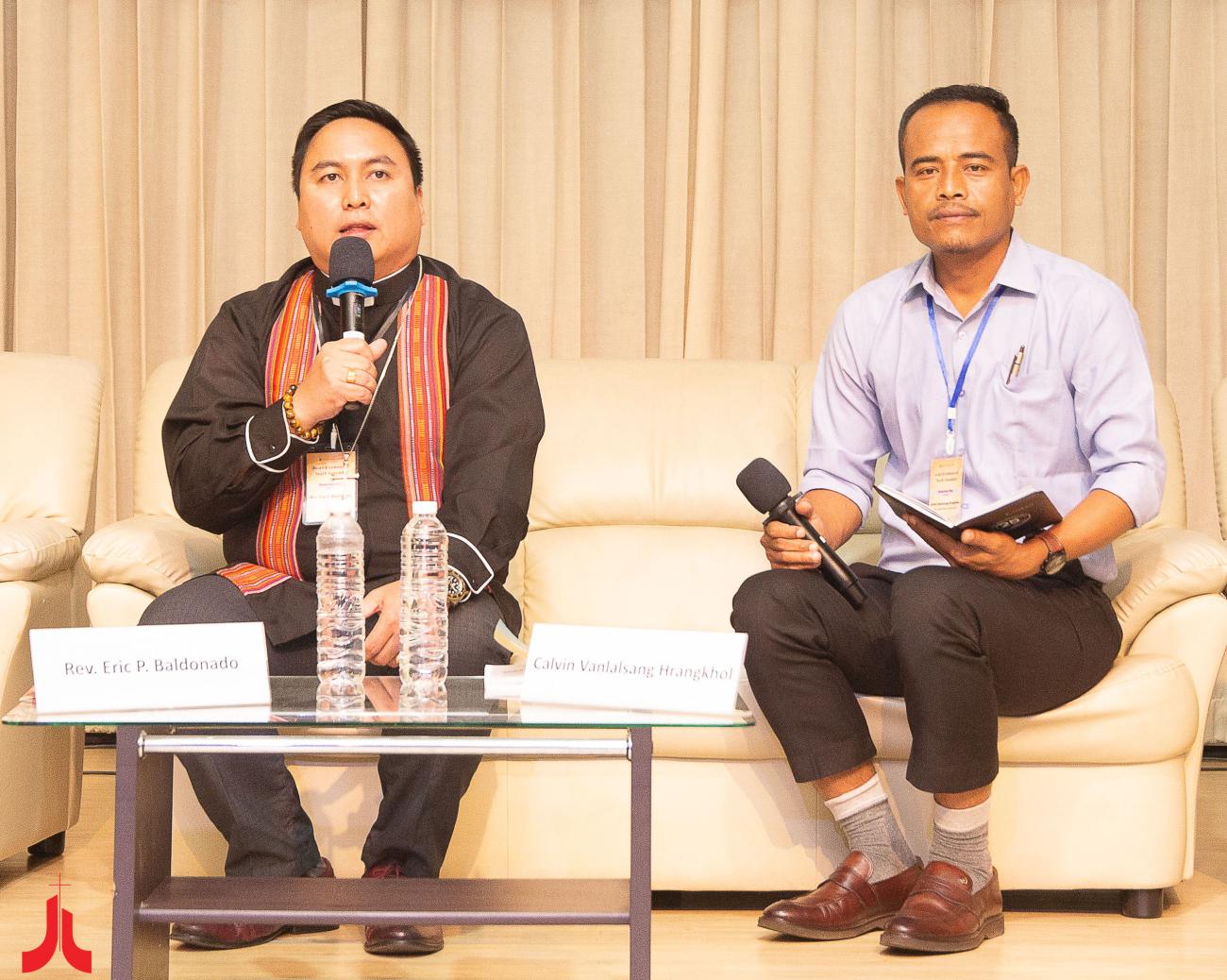
    Chiang Mai, Thailand: “Breaking every yoke requires theological renewal, structural transformation, grassroots praxis, and holistic liberation” was the message of Filipino theologian Rev. Prof. Eric Baldonado to the participants of the Asian Ecumenical Youth Assembly (AEYA) 2026.

    Delivering the fifth thematic address on the final day of AEYA on “Break Every Yoke: Youths Overcome Barriers to Transform Ecumenism,” Rev. Prof. Baldonado told young Asian ecumenists, “You are called to embody Christ’s reconciling mission by dismantling barriers and building bridges across denominations, generations, cultures, and nations”. He urged them to rise as active agents of liberation, justice, and reconciliation, and placed young people at the heart of the church’s mission in Asia.

    An ordained pastor of the United Church of Christ in the Philippines (UCCP) and professor at Union Theological Seminary in Cavite, Rev. Prof. Baldonado emphasised that Asian youth are not merely inheritors of ecumenism but its present leaders. “You are not waiting for permission; you are already empowered by the Spirit,” he said, underscoring that the transformation of church and society depends on their leadership now.

    Rev. Prof. Baldonado named the “yokes” weighing heavily on both youth and the ecumenical movement: doctrinal divisions, generational hierarchies, socio-political fragmentation, gender and sexuality exclusion, economic exploitation, digital divides, colonial legacies and cultural imperialism, environmental crisis, religious nationalism and interfaith hostility, as well as apathy and spiritual disconnection. These are not isolated challenges but interconnected systems of injustice requiring a holistic response, he stressed.

    A central focus of the address was the call for youth to embody God’s liberating mission. He contrasted this with the misuse of religion as propaganda, describing it as faith used to control, dominate, or preserve power, while emphasising that authentic mission is rooted in truth, justice, reconciliation, and solidarity.

    He urged young people to critically discern their contexts, and said, “When faith is co-opted for political or institutional ends, resist. When faith is lived as mission, truth, justice, reconciliation, embrace it, embody it, proclaim it.”

    Rev. Prof. Baldonado concluded with a resounding call: “Rise up, young people of Asia. Take upon yourselves Christ’s liberating yoke. Embody the mission of God. Transform ecumenism into a movement of justice, peace, and creation care, and let your lives proclaim to the world: the yokes are broken, the barriers are overcome, and the kingdom of God is at hand.”

    The session was moderated by Calvin Vanlalsang Hrangkhol from the Council of Baptist Churches in North East India.