Asian youth commit to “break every yoke” and rise as agents of transformation at the close of Fifth AEYA
Programme Review and Programme Direction

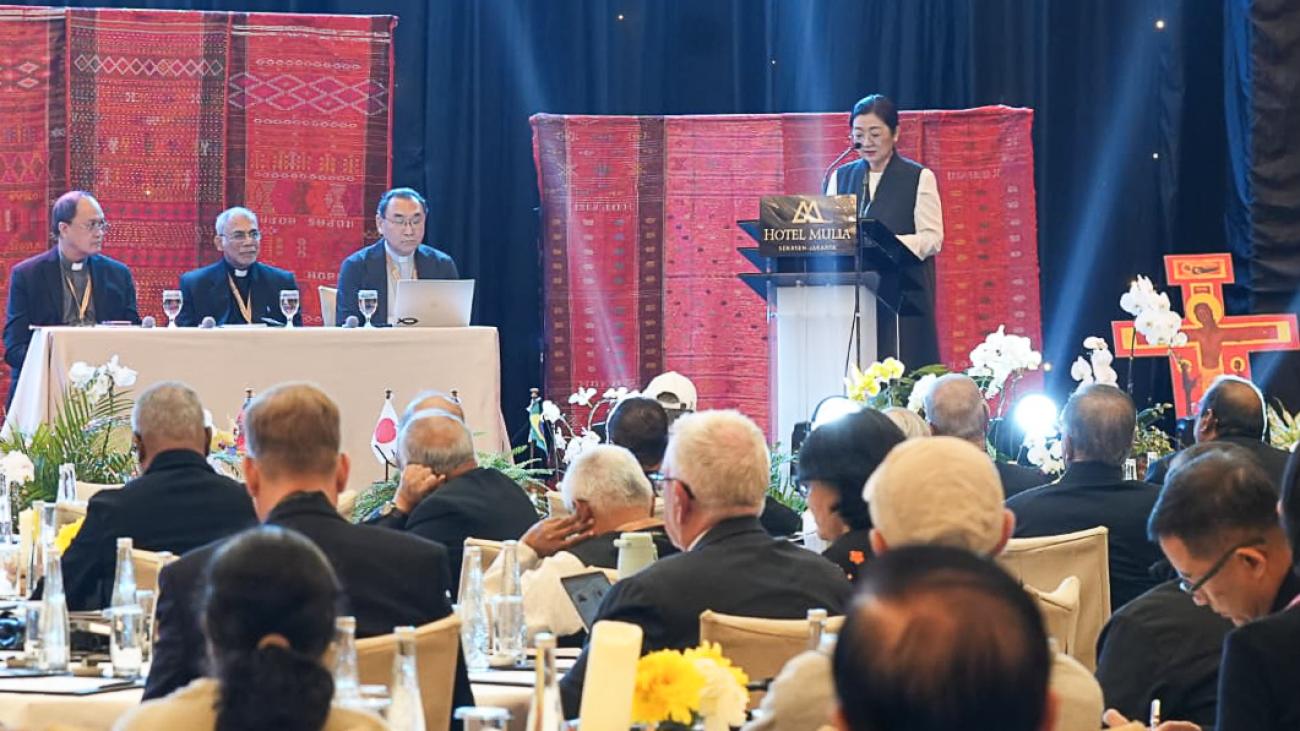
Two key deliberative sessions during the 15th CCA General Assembly are the Programme Review and Programme Direction sessions.

The Programme Review and Programme Direction sessions will both be conducted in three groups relating to the CCA’s programme areas, namely, (i) General Secretariat (GS), (ii) Mission in Unity and Contextual Theology (MU) and Ecumenical Leadership Formation and Spirituality (EF); and (iii) Building Peace and Moving Beyond Conflicts (BP) and Prophetic Diakonia (PD).

Assembly participants will have the option to join one of three groups for both the Programme Review and Programme Direction sessions. For the sake of coherence, the assigned group will remain the same for both sessions.

General Secretariat

The General Secretariat oversees the coordination of programmatic, administrative, and financial activities of the organization. The GS comprises various departments such as church and ecumenical relations, relations with ecumenical partners, finance, administration, and communications, which provide crucial support and services for the implementation of programs and contribute to the overall functioning of the CCA.

Programmes: Relations with member churches and councils, ecumenical partners; advocacy at the United Nations; ecumenical responses to emerging issues in solidarity; income development and finance; and communications.

Mission in Unity and Contextual Theology (MU) and Ecumenical Leadership Formation and Spirituality (EF)

Under the MU programme area, the CCA accompanies Asian churches to strengthen their mission and witness in multi-religious contexts, revitalise and nurture church unity and the Asian ecumenical movement, and develop contextual theological foundations.

Programmes: Asian Movement for Christian Unity (AMCU); Congress of Asian Theologians (CATS); Asian women doing theology in the context of wider ecumenism; contextualisation of theology in Asia and ecumenical theological education.

The EF programme area focuses on nurturing and developing ecumenical leaders in Asia. The programme aims to enhance spiritual formation and theological understanding, enabling people to actively engage in ecumenical dialogue and collaboration.

Programmes: Ecumenical Enablers’ Training in Asia (EETA); Asian Ecumenical Institute (AEI); Youth and Women Leadership Development; Ecumenical Spirituality and Nurturing of Contextual Liturgical Traditions; Asia Sunday

Building Peace and Moving Beyond Conflicts (BP) and Prophetic Diakonia and Advocacy (PD)

The BP programme area is dedicated to promoting peace, justice, and reconciliation in Asia’s diverse contexts. Through training, advocacy, and dialogue, the programme addresses the root causes of conflicts, empowers communities, and fosters sustainable peacebuilding initiatives.

Programmes: Pastoral Solidarity Visits; Churches in Action for Moving Beyond Conflict and Resolution; Young Ambassadors of Peace in Asia (YAPA); Ecumenical Women’s Action Against Violence (EWAAV); Eco-Justice for Sustainable Peace in the Oikos.

The PD programme area focuses on promoting justice, human rights, and social transformation in Asia. Through advocacy, capacity-building, and raising awareness, the programme addresses systemic injustice, empowers marginalised communities, and advocates for prophetic actions and meaningful change.

Programmes: Human Rights advocacy; Migration, Statelessness, and Trafficking in Persons; Asian Ecumenical Disability Advocacy Network; Asian Advocacy Network on the Dignity and Rights of Children (AANDRoC); Ecumenical Solidarity Accompaniment and Diakonia in Asia (ESADA); Health and Healing; Good Governance; Action Together to Combat HIV and AIDS in Asia (ATCHAA).

No preference updated.

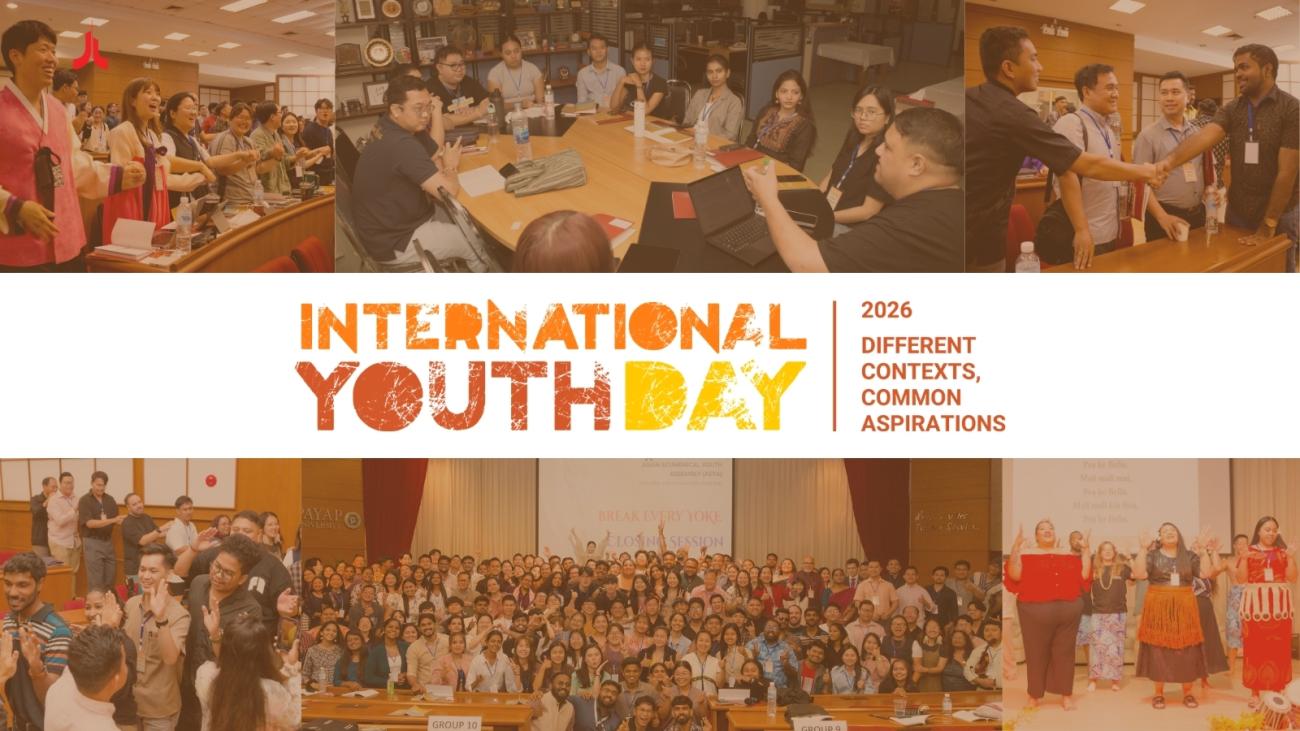
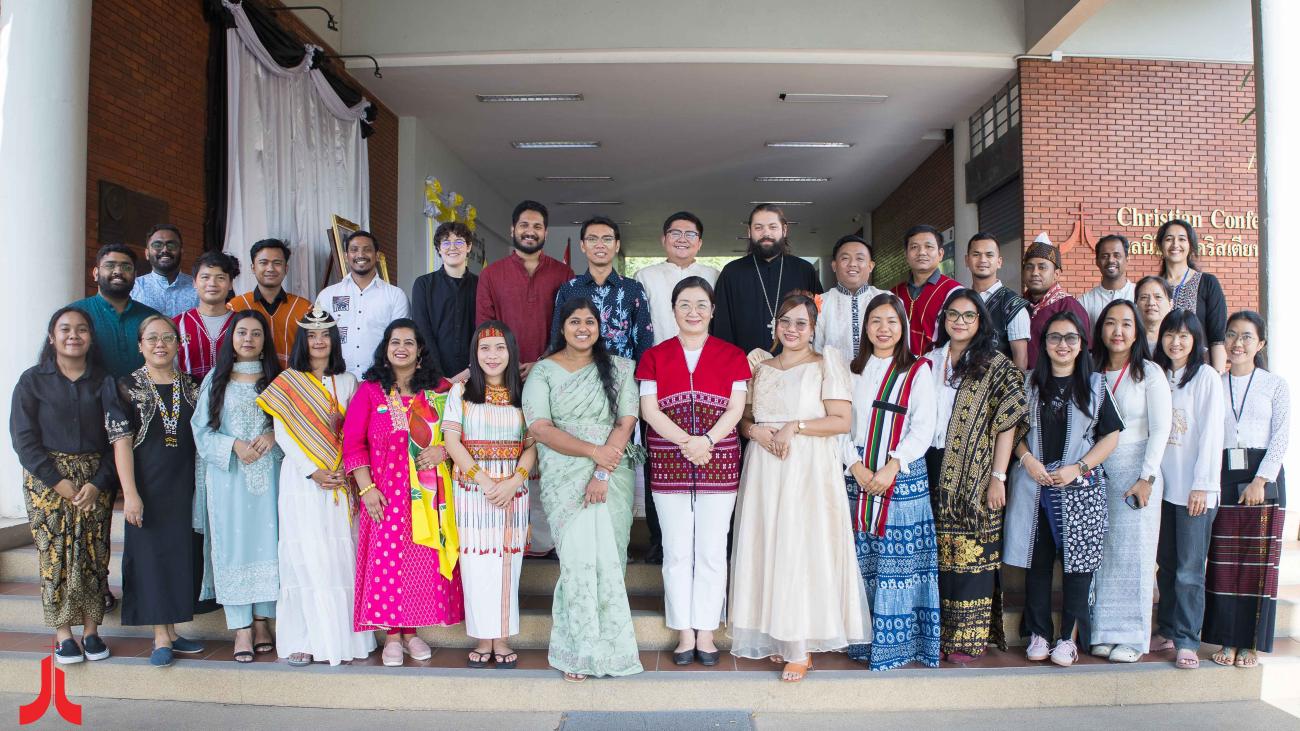
    Chiang Mai, Thailand: More than two hundred Christian youth from Asia and beyond echoed a unified call to “break every yoke” and affirmed their commitment to confronting interconnected injustices, embodying a liberating faith, embracing the “yoke of Christ”, and acting together as agents of transformation.

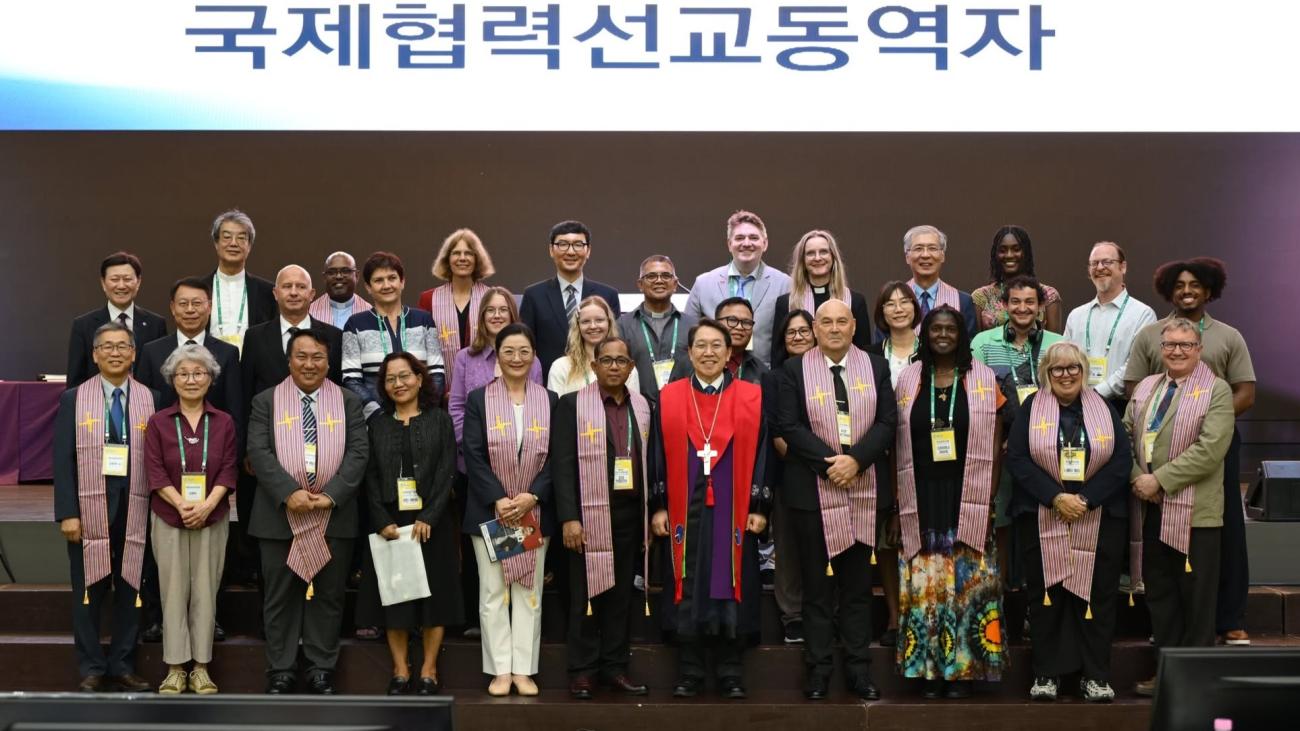
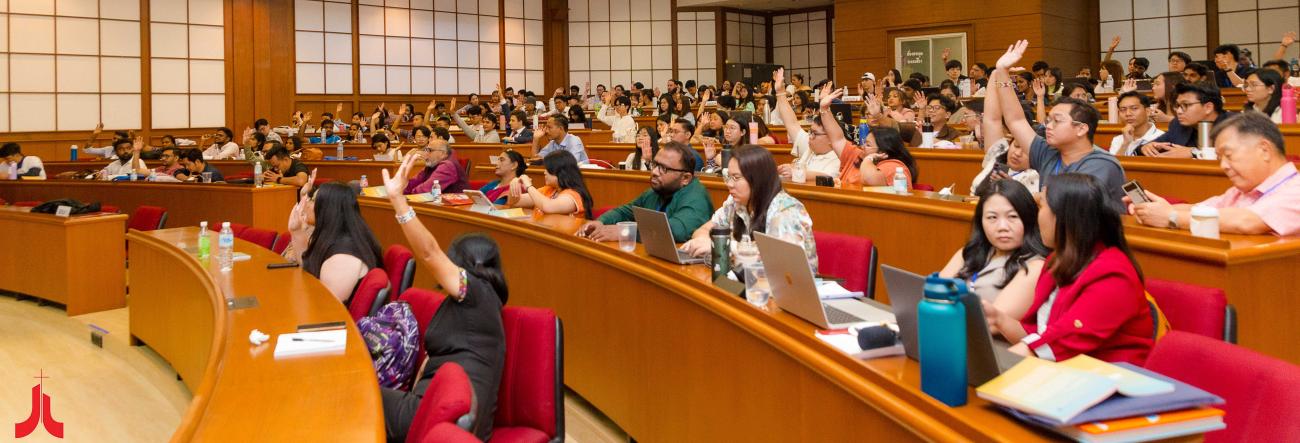
    The Fifth Asian Ecumenical Youth Assembly (AEYA 2026), held at Payap University in Chiang Mai, Thailand, concluded on 21 April 2026.

    After five days of listening, sharing, and critical engagement on pressing issues affecting young people across Asia, participants adopted a communiqué on the final day, affirming their faith and commitment to become agents of change in communities and societies.

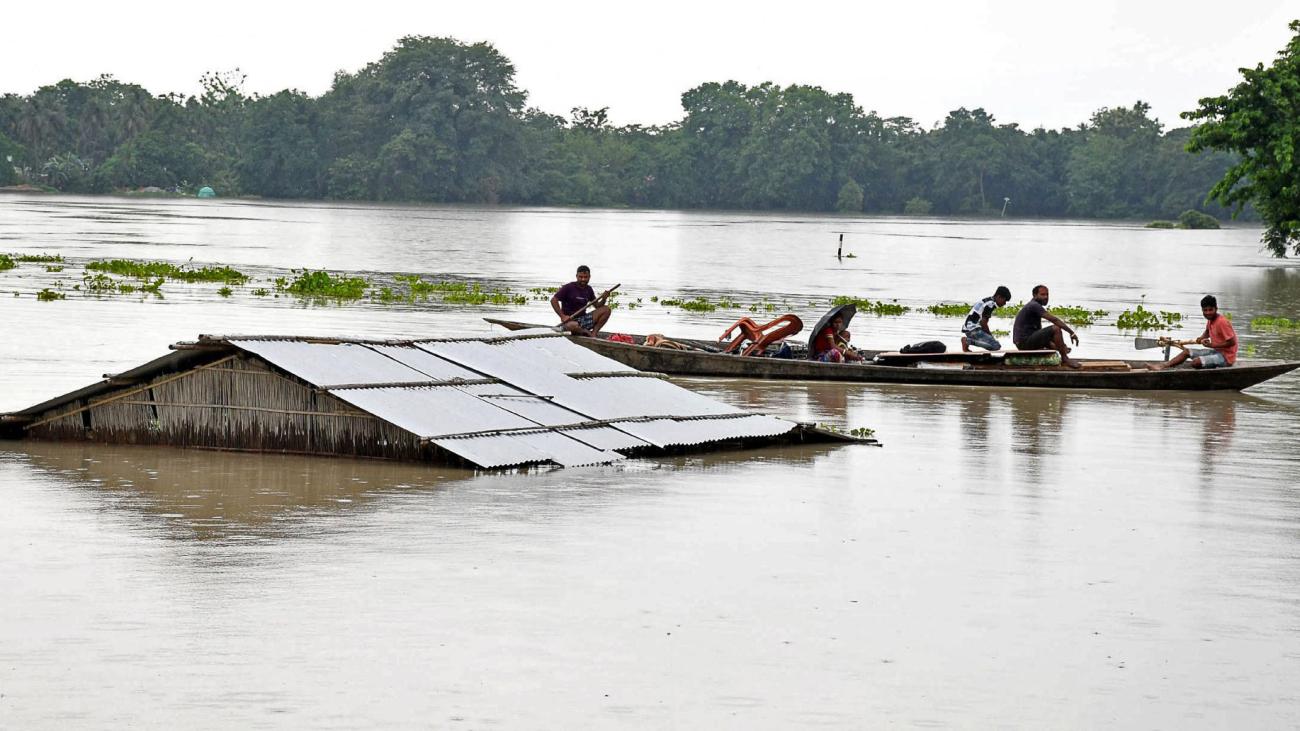
    The communiqué listed a wide range of interconnected “yokes” affecting the realities of young people today, including mental health struggles and social isolation, economic inequality and unemployment, forced migration and human trafficking, political repression and shrinking civic space, as well as violence, ecological crises, and the growing influence of digital systems that shape perception and limit critical awareness.

    Grounded in a shared theological conviction, the communiqué affirmed faith as inherently liberating and inseparable from action. Drawing on biblical witness, participants declared that God stands with the oppressed and continues to act in history to bring freedom and justice. They underscored that Christian faith cannot remain private, but must engage in transforming unjust systems and restoring human dignity.

    The communiqué also reflected participants’ pledge to stand in solidarity with marginalised groups, to uphold ecological responsibility, to engage ethically in digital spaces, and to practice integrity in leadership and daily life. Peacebuilding, interfaith dialogue, and collaboration across cultures were highlighted as essential pathways towards healing and reconciliation.

    Calling for shared responsibility, the communiqué urged churches and ecumenical bodies to move beyond token inclusion of youth by sharing leadership and decision-making power, while equipping young people with theological depth and practical tools. Young people themselves were challenged to reject apathy, step beyond their comfort zones, and actively shape a more just and compassionate future.

    The full text of the AEYA 2026 Communiqué can be found here: