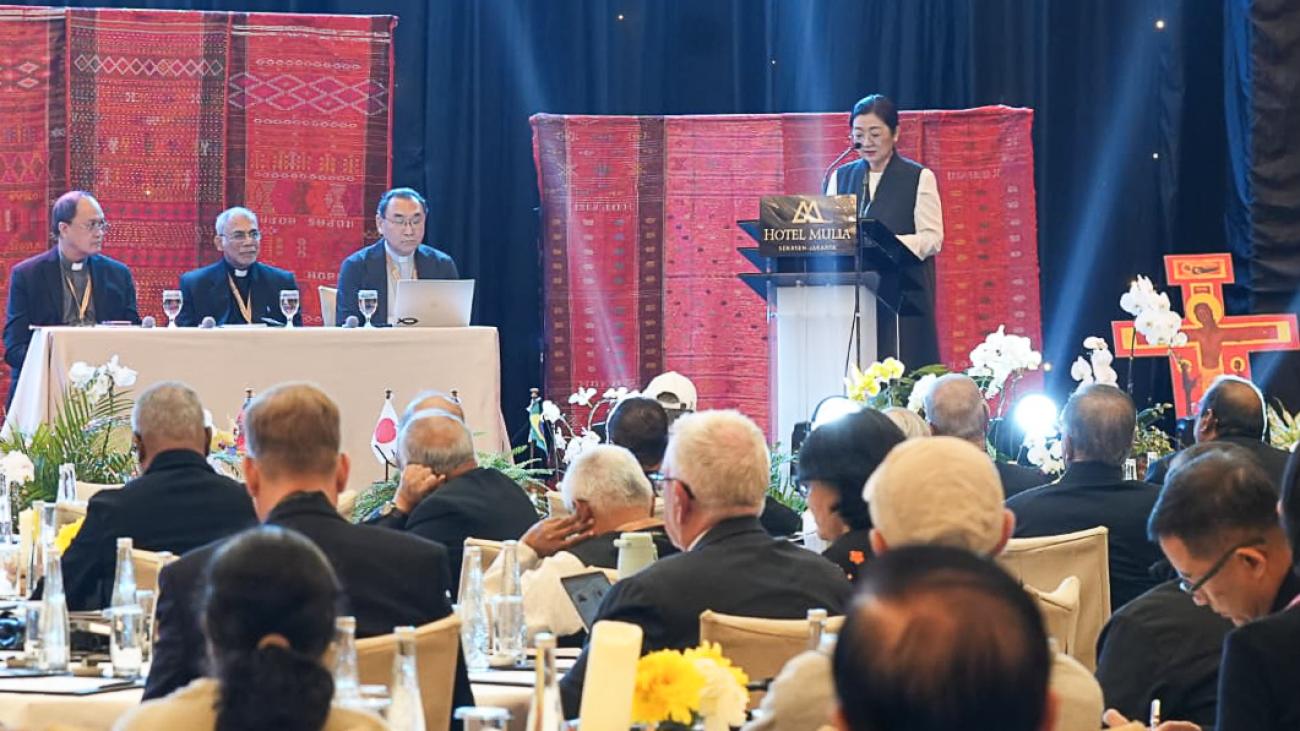
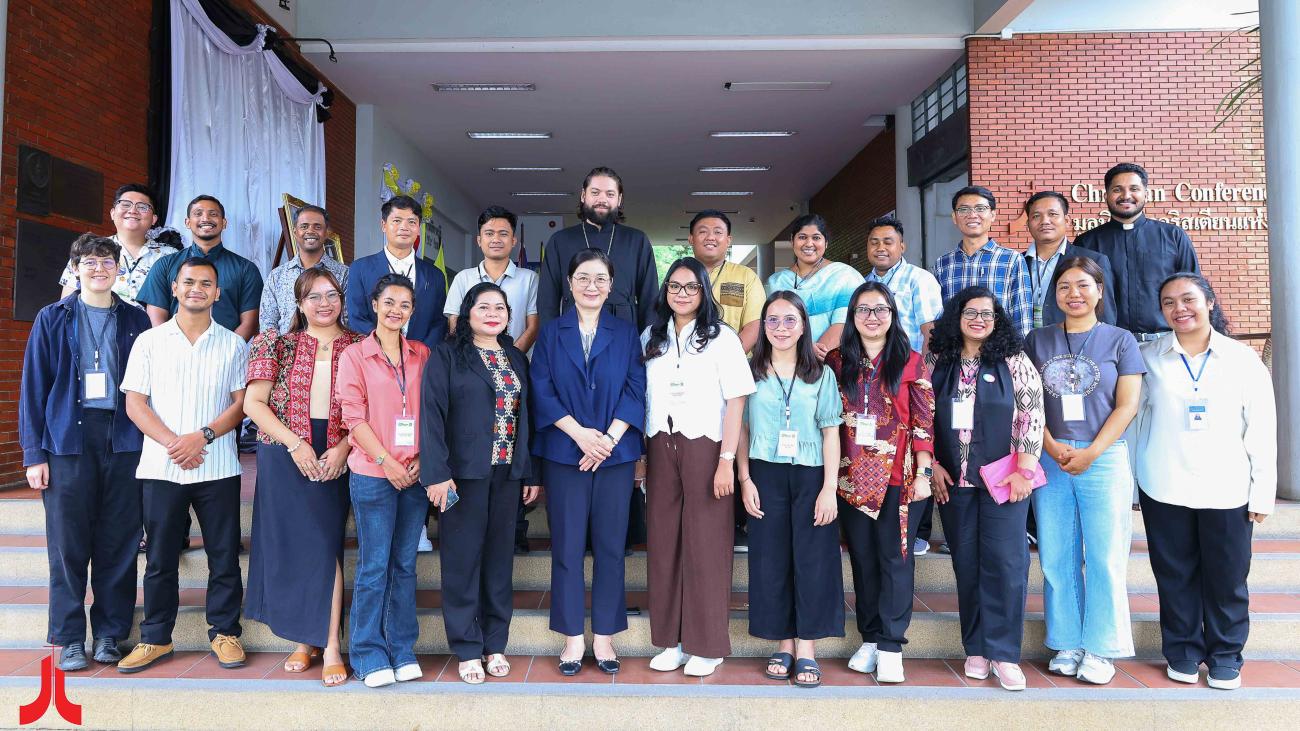
“Synodality and ecumenism are inseparable dimensions of the shared Christian journey”, says Archbishop Felix Machado of the Roman Catholic Church
Programme Review and Programme Direction

Two key deliberative sessions during the 15th CCA General Assembly are the Programme Review and Programme Direction sessions.

The Programme Review and Programme Direction sessions will both be conducted in three groups relating to the CCA’s programme areas, namely, (i) General Secretariat (GS), (ii) Mission in Unity and Contextual Theology (MU) and Ecumenical Leadership Formation and Spirituality (EF); and (iii) Building Peace and Moving Beyond Conflicts (BP) and Prophetic Diakonia (PD).

Assembly participants will have the option to join one of three groups for both the Programme Review and Programme Direction sessions. For the sake of coherence, the assigned group will remain the same for both sessions.

General Secretariat

The General Secretariat oversees the coordination of programmatic, administrative, and financial activities of the organization. The GS comprises various departments such as church and ecumenical relations, relations with ecumenical partners, finance, administration, and communications, which provide crucial support and services for the implementation of programs and contribute to the overall functioning of the CCA.

Programmes: Relations with member churches and councils, ecumenical partners; advocacy at the United Nations; ecumenical responses to emerging issues in solidarity; income development and finance; and communications.

Mission in Unity and Contextual Theology (MU) and Ecumenical Leadership Formation and Spirituality (EF)

Under the MU programme area, the CCA accompanies Asian churches to strengthen their mission and witness in multi-religious contexts, revitalise and nurture church unity and the Asian ecumenical movement, and develop contextual theological foundations.

Programmes: Asian Movement for Christian Unity (AMCU); Congress of Asian Theologians (CATS); Asian women doing theology in the context of wider ecumenism; contextualisation of theology in Asia and ecumenical theological education.

The EF programme area focuses on nurturing and developing ecumenical leaders in Asia. The programme aims to enhance spiritual formation and theological understanding, enabling people to actively engage in ecumenical dialogue and collaboration.

Programmes: Ecumenical Enablers’ Training in Asia (EETA); Asian Ecumenical Institute (AEI); Youth and Women Leadership Development; Ecumenical Spirituality and Nurturing of Contextual Liturgical Traditions; Asia Sunday

Building Peace and Moving Beyond Conflicts (BP) and Prophetic Diakonia and Advocacy (PD)

The BP programme area is dedicated to promoting peace, justice, and reconciliation in Asia’s diverse contexts. Through training, advocacy, and dialogue, the programme addresses the root causes of conflicts, empowers communities, and fosters sustainable peacebuilding initiatives.

Programmes: Pastoral Solidarity Visits; Churches in Action for Moving Beyond Conflict and Resolution; Young Ambassadors of Peace in Asia (YAPA); Ecumenical Women’s Action Against Violence (EWAAV); Eco-Justice for Sustainable Peace in the Oikos.

The PD programme area focuses on promoting justice, human rights, and social transformation in Asia. Through advocacy, capacity-building, and raising awareness, the programme addresses systemic injustice, empowers marginalised communities, and advocates for prophetic actions and meaningful change.

Programmes: Human Rights advocacy; Migration, Statelessness, and Trafficking in Persons; Asian Ecumenical Disability Advocacy Network; Asian Advocacy Network on the Dignity and Rights of Children (AANDRoC); Ecumenical Solidarity Accompaniment and Diakonia in Asia (ESADA); Health and Healing; Good Governance; Action Together to Combat HIV and AIDS in Asia (ATCHAA).

No preference updated.

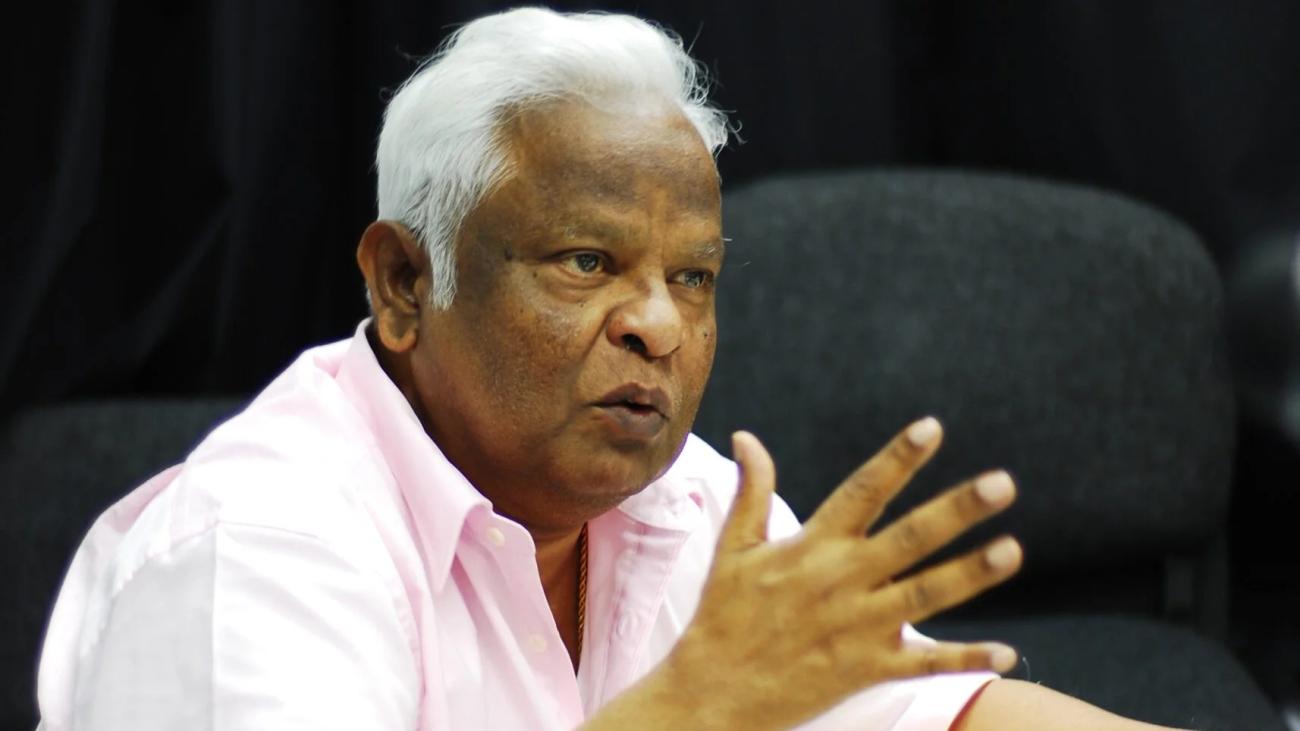
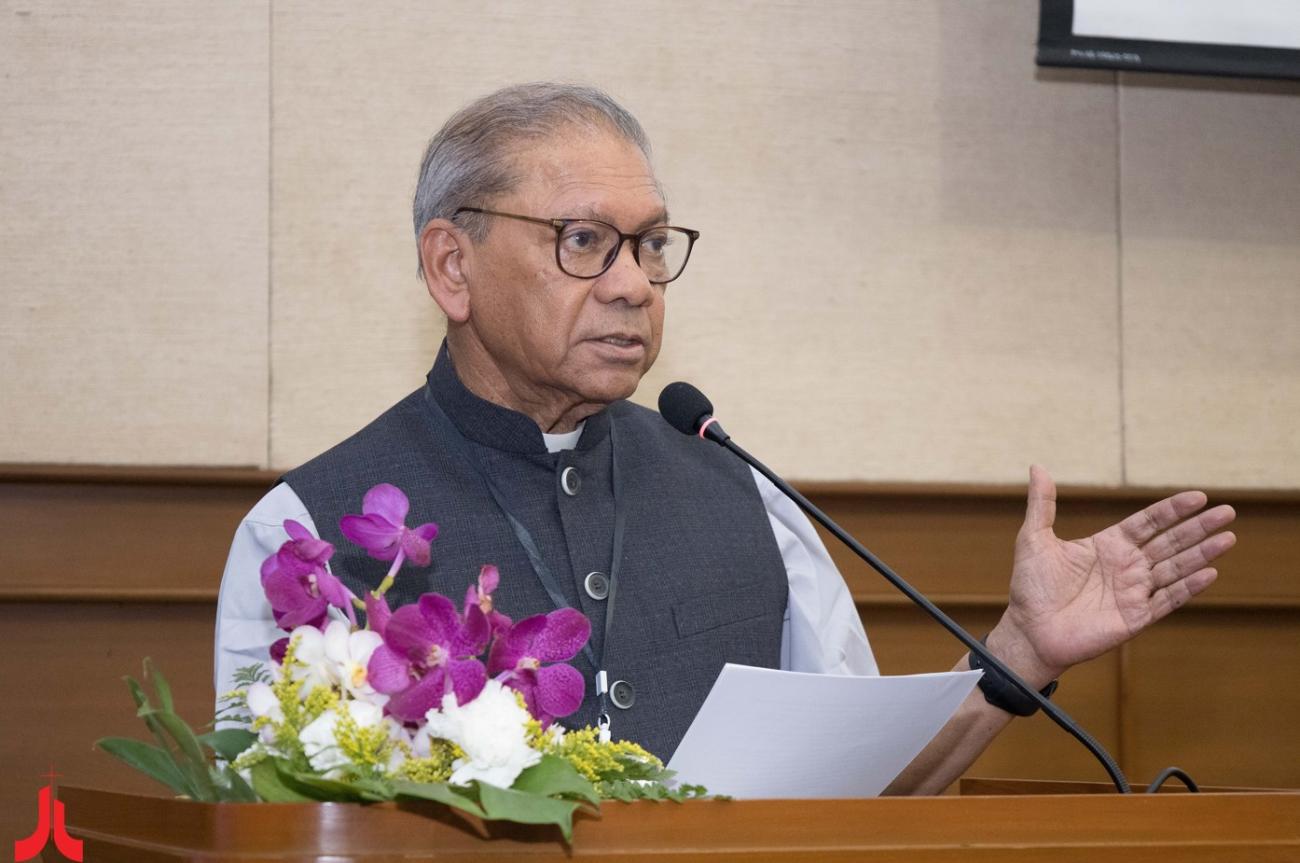
    Chiang Mai, Thailand: Delivering the second thematic address on “Synodality and Ecumenism: Ecclesial Unity for Effective Witness in Asia” at the International Consultation on Ecumenism in Asia, Archbishop Felix Anthony Machado, Chairman of the Federation of Asian Bishops’ Conferences Office of Ecumenical and Interreligious Affairs (OEIA-FABC), emphasised that synodality and ecumenism are inseparable dimensions of the Church’s life and mission.

    Reflecting on the Catholic Church’s Synod on Synodality and its 2024 Final Document, Archbishop Machado called on Christians across Asia to deepen their commitment to dialogue, listening, reconciliation, and common witness as they journey together towards the visible unity of all Christians.

    A distinguished leader of the Roman Catholic Church in Asia and a long-standing proponent of churches' united mission for strengthening ecumenical and interreligious dialogue, Archbishop Machado affirmed, “The path of synodality is and must be ecumenical, just as the ecumenical path is synodal.” He highlighted the participation of delegates from different Christian traditions in the Synodal Assembly as a visible sign of growing collaboration, mutual learning, and shared witness among churches.

    Archbishop Machado noted that the Synod’s Final Document affirms Baptism as the common foundation of both synodality and ecumenism. Since all Christians share one baptismal identity, the synodal journey naturally directs the Church toward greater Christian unity.

    He stressed that Synodality is not an end in itself but serves the Church’s mission of proclaiming the Gospel. Authentic synodality requires prayerful discernment, mutual listening, humility, and openness to the guidance of the Holy Spirit.

    Addressing the relationship between synodality and ecumenism, Archbishop Machado described them as mutually reinforcing journeys rooted in baptismal grace. Christian unity is strengthened through prayer, dialogue, friendship, service, and common witness, enabling churches to overcome past divisions and work together for the sake of the Gospel.

    Speaking about the Asian context, the Archbishop emphasised the importance of ecclesial unity for a credible Christian witness, noting that “we Christians in Asia cannot afford to be divided in the face of the region’s religious and cultural diversity and the pressing need to foster stronger bonds of fraternity among Christians.”

    Archbishop Machado also commended the Christian Conference of Asia’s (CCA) vibrant ecumenical leadership, rooted in Christian faith and responsive to the realities of Asian societies, noting CCA’s contributions to fostering dialogue, reconciliation, and cooperation among churches, as well as wider ecumenical engagement across the region.

    Archbishop Machado encouraged Christians in Asia to continue witnessing to the Gospel through lives of service, the promotion of human dignity, harmonious coexistence with neighbours, and faithful proclamation of Christ. While recognising that theological differences remain among churches, he expressed gratitude for the progress made through decades of ecumenical dialogue and collaboration.

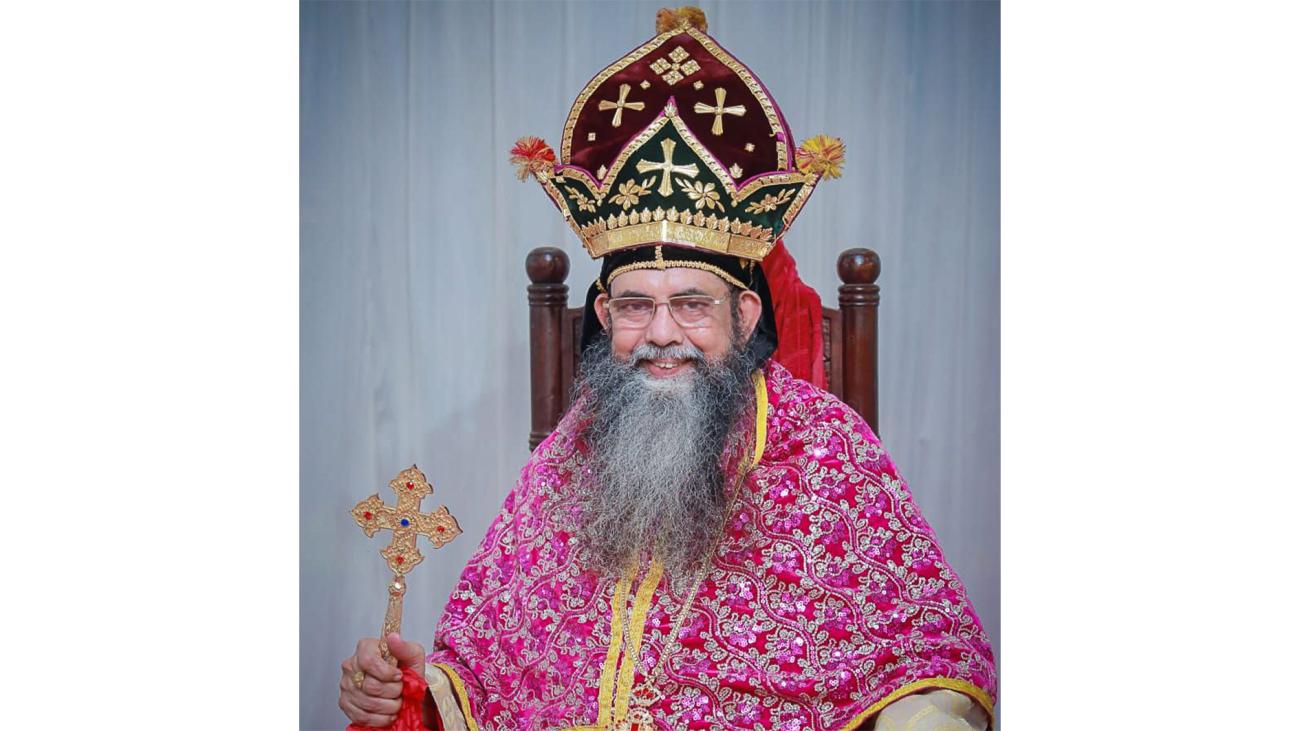
    The thematic session was moderated by Dr Kuriakose Mor Theophilose Metropolitan, Chairperson of the CCA programme committee.