CCA calls for prayer and humanitarian support following devastating earthquake in the Philippines
Programme Review and Programme Direction

Two key deliberative sessions during the 15th CCA General Assembly are the Programme Review and Programme Direction sessions.

The Programme Review and Programme Direction sessions will both be conducted in three groups relating to the CCA’s programme areas, namely, (i) General Secretariat (GS), (ii) Mission in Unity and Contextual Theology (MU) and Ecumenical Leadership Formation and Spirituality (EF); and (iii) Building Peace and Moving Beyond Conflicts (BP) and Prophetic Diakonia (PD).

Assembly participants will have the option to join one of three groups for both the Programme Review and Programme Direction sessions. For the sake of coherence, the assigned group will remain the same for both sessions.

General Secretariat

The General Secretariat oversees the coordination of programmatic, administrative, and financial activities of the organization. The GS comprises various departments such as church and ecumenical relations, relations with ecumenical partners, finance, administration, and communications, which provide crucial support and services for the implementation of programs and contribute to the overall functioning of the CCA.

Programmes: Relations with member churches and councils, ecumenical partners; advocacy at the United Nations; ecumenical responses to emerging issues in solidarity; income development and finance; and communications.

Mission in Unity and Contextual Theology (MU) and Ecumenical Leadership Formation and Spirituality (EF)

Under the MU programme area, the CCA accompanies Asian churches to strengthen their mission and witness in multi-religious contexts, revitalise and nurture church unity and the Asian ecumenical movement, and develop contextual theological foundations.

Programmes: Asian Movement for Christian Unity (AMCU); Congress of Asian Theologians (CATS); Asian women doing theology in the context of wider ecumenism; contextualisation of theology in Asia and ecumenical theological education.

The EF programme area focuses on nurturing and developing ecumenical leaders in Asia. The programme aims to enhance spiritual formation and theological understanding, enabling people to actively engage in ecumenical dialogue and collaboration.

Programmes: Ecumenical Enablers’ Training in Asia (EETA); Asian Ecumenical Institute (AEI); Youth and Women Leadership Development; Ecumenical Spirituality and Nurturing of Contextual Liturgical Traditions; Asia Sunday

Building Peace and Moving Beyond Conflicts (BP) and Prophetic Diakonia and Advocacy (PD)

The BP programme area is dedicated to promoting peace, justice, and reconciliation in Asia’s diverse contexts. Through training, advocacy, and dialogue, the programme addresses the root causes of conflicts, empowers communities, and fosters sustainable peacebuilding initiatives.

Programmes: Pastoral Solidarity Visits; Churches in Action for Moving Beyond Conflict and Resolution; Young Ambassadors of Peace in Asia (YAPA); Ecumenical Women’s Action Against Violence (EWAAV); Eco-Justice for Sustainable Peace in the Oikos.

The PD programme area focuses on promoting justice, human rights, and social transformation in Asia. Through advocacy, capacity-building, and raising awareness, the programme addresses systemic injustice, empowers marginalised communities, and advocates for prophetic actions and meaningful change.

Programmes: Human Rights advocacy; Migration, Statelessness, and Trafficking in Persons; Asian Ecumenical Disability Advocacy Network; Asian Advocacy Network on the Dignity and Rights of Children (AANDRoC); Ecumenical Solidarity Accompaniment and Diakonia in Asia (ESADA); Health and Healing; Good Governance; Action Together to Combat HIV and AIDS in Asia (ATCHAA).

No preference updated.

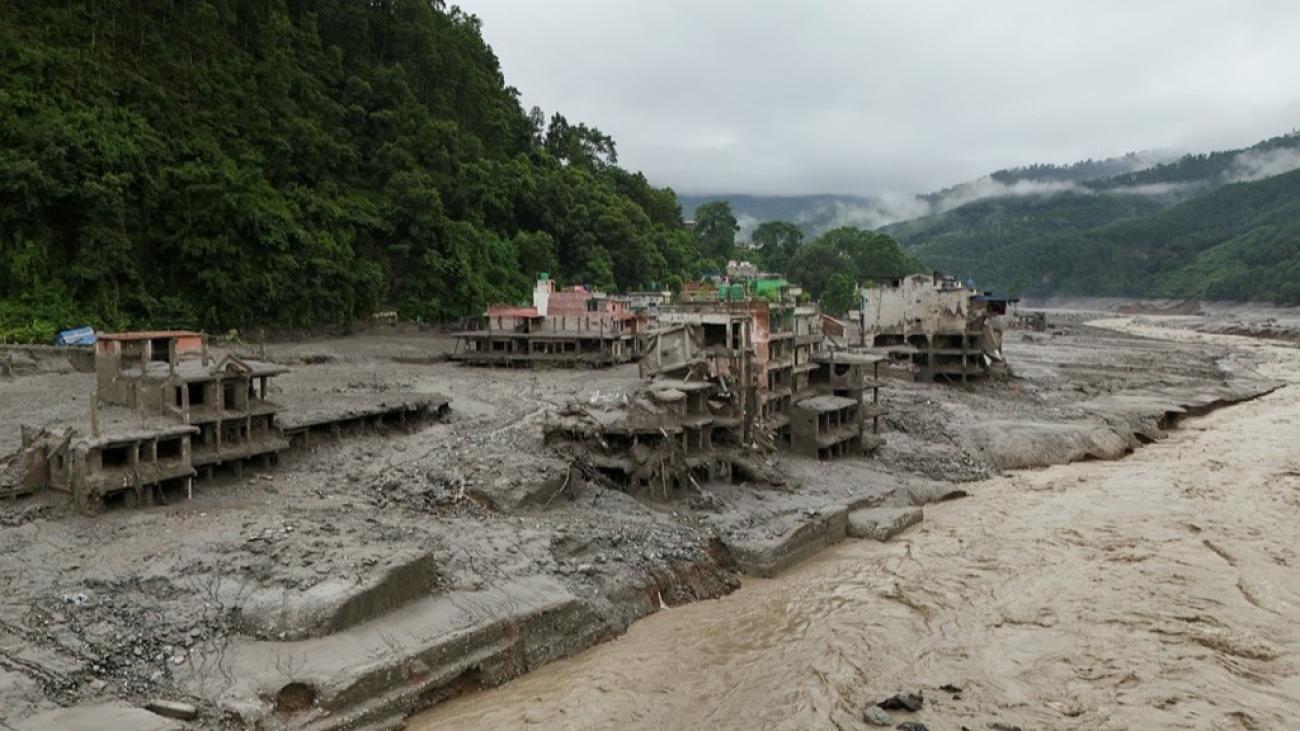
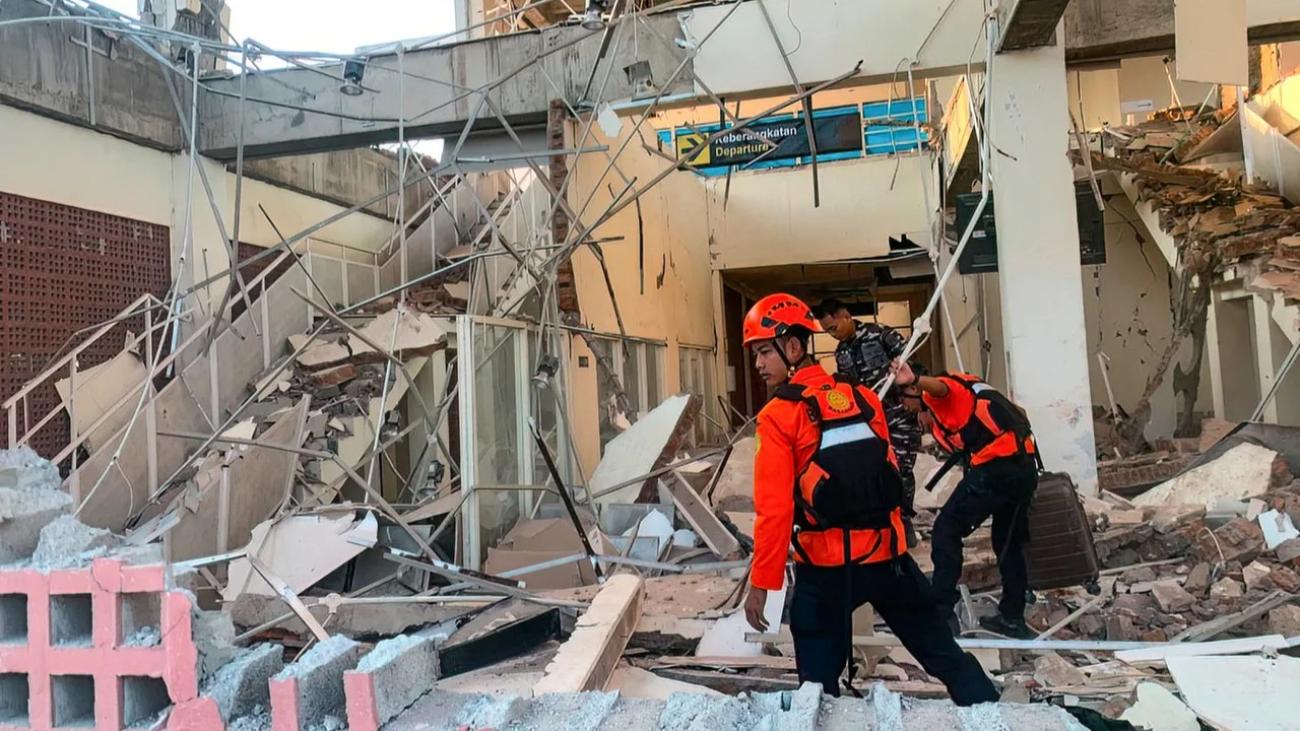
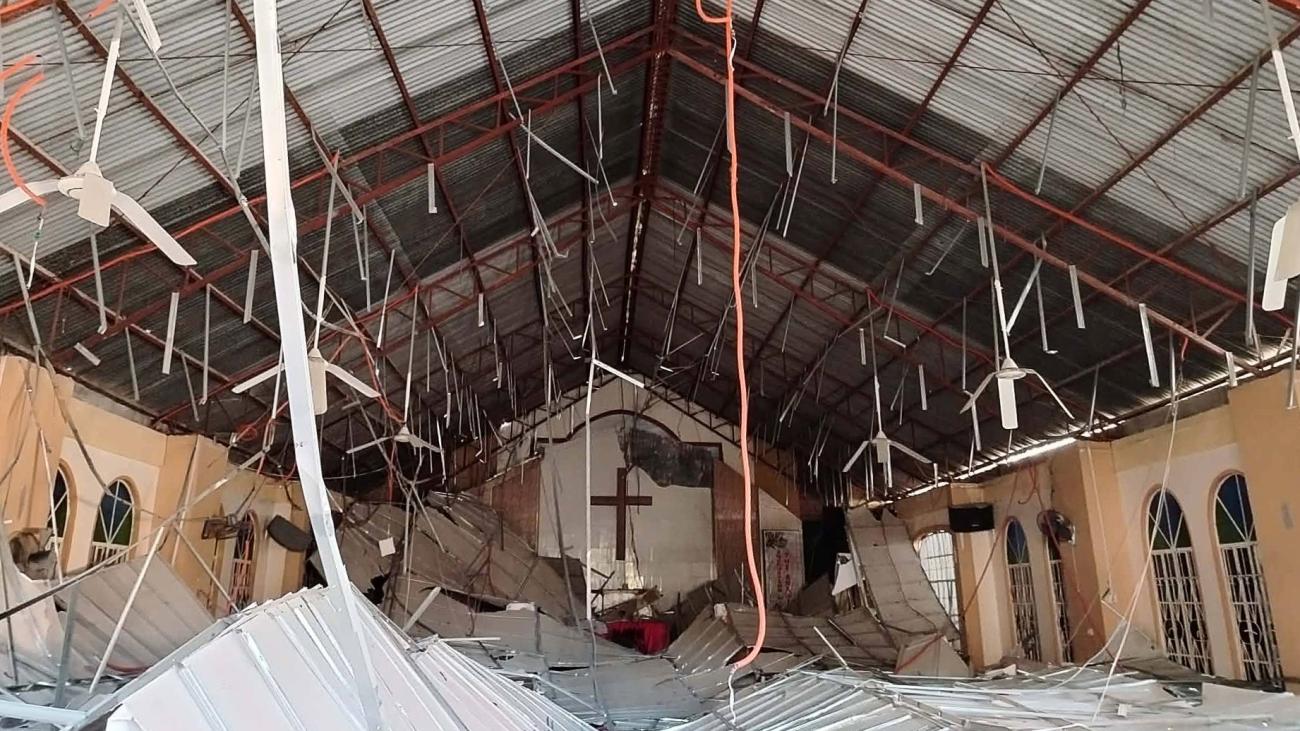
    A United Church of Christ in the Philippines (UCCP) church building in Malapatan
    lies in ruins after the devastating earthquake (Picture Credits: UCCP/Gha Ybp)

    Chiang Mai, Thailand: The Christian Conference of Asia (CCA) has called for prayer, solidarity, and humanitarian support following the devastating magnitude 7.8 earthquake that struck off the coast of Mindanao in the southern Philippines on 8 June 2026, causing widespread destruction, loss of life, and displacement.

    In a statement issued today, CCA General Secretary Dr Mathews George Chunakara expressed sorrow and grave concern over the earthquake and its impact on communities across Mindanao, the Philippines’ second-largest island and home to approximately 26 million people.

    According to reports, at least 45 people have lost their lives and over 450 others have been injured, while tens of thousands have been displaced. Hundreds of aftershocks, ranging in magnitude from 1.3 to 6.7, have continued to shake the region, further complicating rescue and recovery efforts.

    “In this moment of urgent need, the CCA stands in solidarity with all those stricken by the disaster. We urge our member churches, councils, and partners across Asia and beyond to keep the affected communities in prayer, to offer pastoral care and accompaniment, and to mobilise financial resources and humanitarian support to extend assistance to those in distress,” stated the CCA General Secretary.

    The earthquake has caused extensive damage to homes, churches, and community facilities. Roads have been severely damaged or blocked by landslides, while many areas remain without electricity and communication services.

    The disaster also struck on the first day of the new school year, affecting more than 3.2 million students and disrupting educational activities across the region.

    The full text of the CCA General Secretary’s statement is available here.