Virtual workshop on youth leadership in ecumenical diakonia concludes with emphasis on accompaniment, advocacy, and care for creation
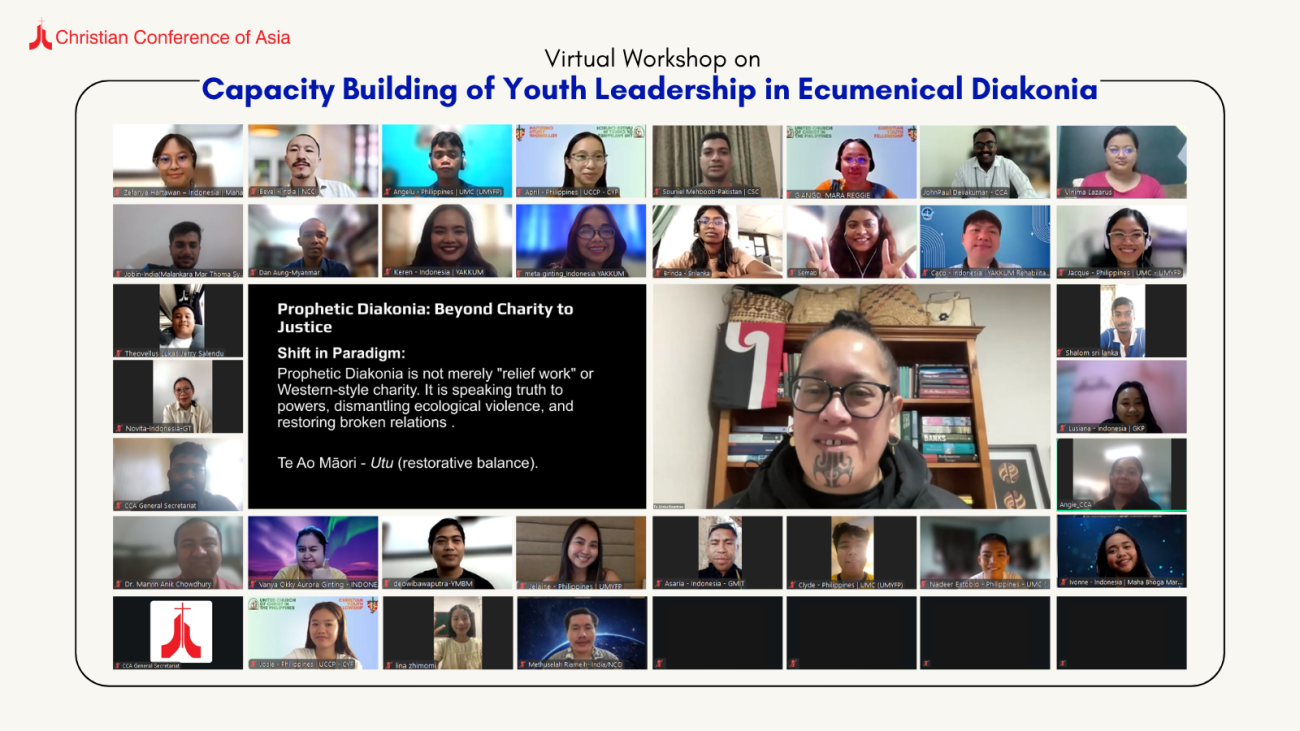
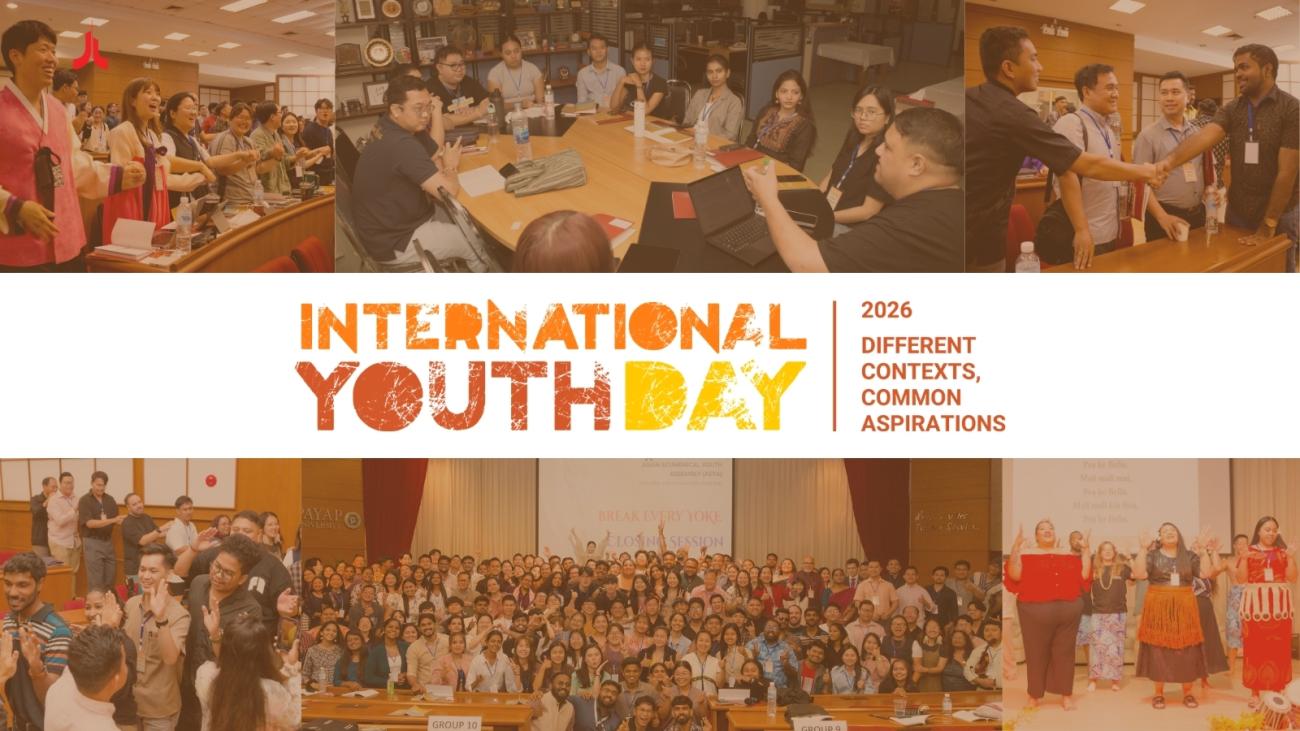
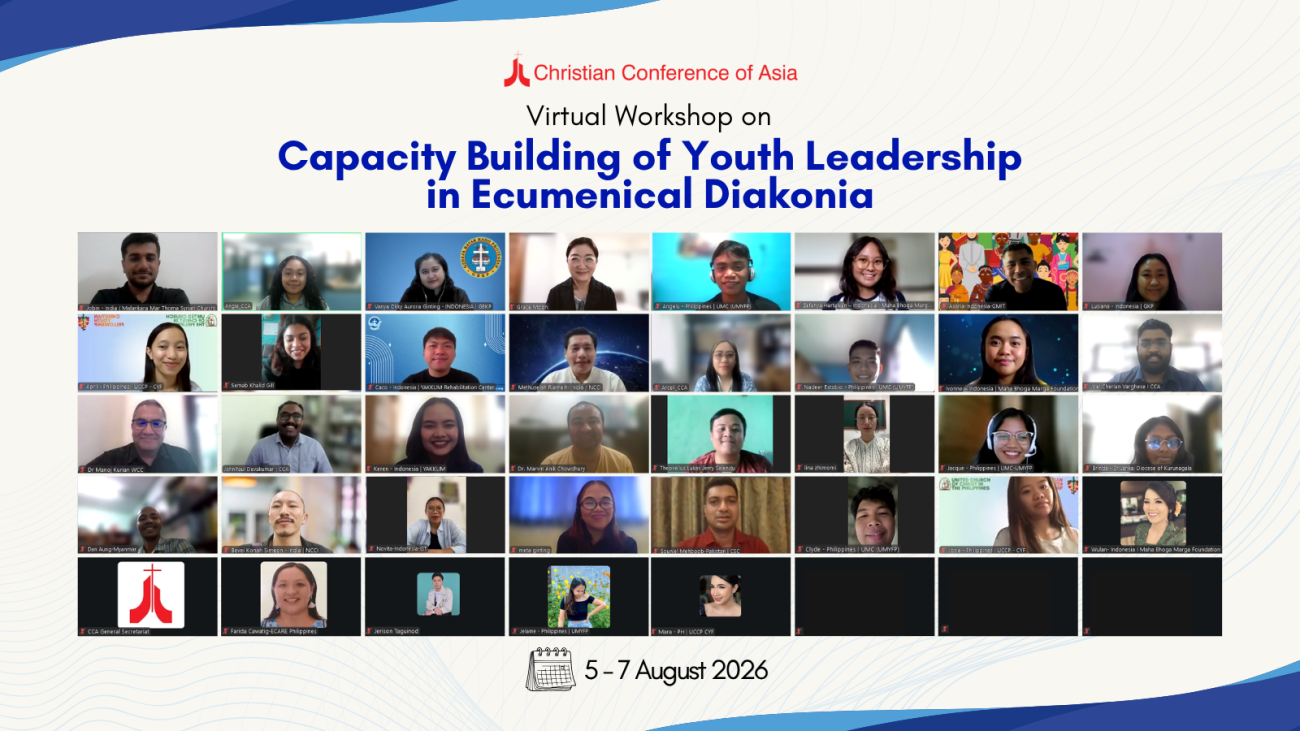
Chiang Mai, Thailand: From climate justice and disaster resilience to accompaniment, advocacy, and Indigenous perspectives on creation, young ecumenical leaders from across Asia reflected on the Church’s response to the interconnected challenges facing the region during the Christian Conference of Asia's (CCA) Capacity Building Workshop on Youth Leadership in Ecumenical Diakonia, held from 5 to 7 August 2026.
On days two and three of the virtual workshop, participants heard from church leaders, theologians, and development practitioners who shared theological reflections and practical experiences on diakonia, community resilience, environmental stewardship, and collaborative action in times of social and ecological crisis.
Rev. Rosiana Indah Purnomo, Head of the Youth Bureau of the Communion of Churches in Indonesia (PGI) and a member of the CCA Programme Committee, presented on “Youth Leadership and the Prophetic Role of the Church in Society.”
Rev. Purnomo observed that Asia is currently facing a “polycrisis” of interconnected challenges that require holistic and collaborative responses. Noting that these realities are shaping an increasingly complex social landscape, she stressed the need for Christians to “read the sign of the times” (Luke 12:56) by connecting Scriptures with present-day realities.
In this context, she described the Church’s prophetic role as speaking truth, standing with suffering communities, defending justice, and being on the side of life. Ecumenical diakonia goes beyond charity and volunteerism to include empowerment, advocacy, justice, and participation in God’s work of transformation and healing, she said.
Rev. Purnomo emphasised that while young people may lack significant financial resources, they bring time, energy, faith, creativity, technological skills, and strong networks that can contribute meaningfully to Church and society. She encouraged participants to start with what they have, trusting that small gifts offered in faith can become instruments of transformation.
Rev. Prof. Dr Te Aroha Rountree, President of the Methodist Church of New Zealand, led the session on “Creation, Crisis, and Calling in the Anthropocene,” drawing on Māori theology and Indigenous wisdom to explore prophetic diakonia amid ecological crisis.
Using the Māori concepts of Whanaungatanga and Mauri, Rev. Dr Rountree emphasised the interconnected relationship among Atua, Tangata, and Whenua—God, people, and creation. Human beings are not separate from creation but belong within a wider family of relationships marked by mutual responsibility and care. Mauri, the life force present in all creation, reflects the health, dignity, and sacredness of all living beings. Therefore, environmental degradation represents a weakening of the Mauri of creation.
Rev. Dr Rountree highlighted Kaitiakitanga, the Māori understanding of guardianship, which teaches that humans are caretakers rather than owners of creation. She stressed that human and ecological wellbeing are inseparable, and that the health of creation should be measured not by economic gain but by whether the Mauri of creation is protected and restored. She pointed to Abad (to serve and cultivate) and Shamar (to guard and protect), arguing that biblical dominion should be understood as stewardship through service, protection, and kinship rather than domination and exploitation.
Describing the Anthropocene as a violation of Tapu, the sacredness of creation, Rev. Dr Rountree said environmental degradation across the Asia-Pacific region reveals the consequences of broken relationships with creation. She called for prophetic diakonia to move beyond charity to justice by confronting systems of injustice, addressing ecological violence, and restoring relationships between people, communities, and creation.
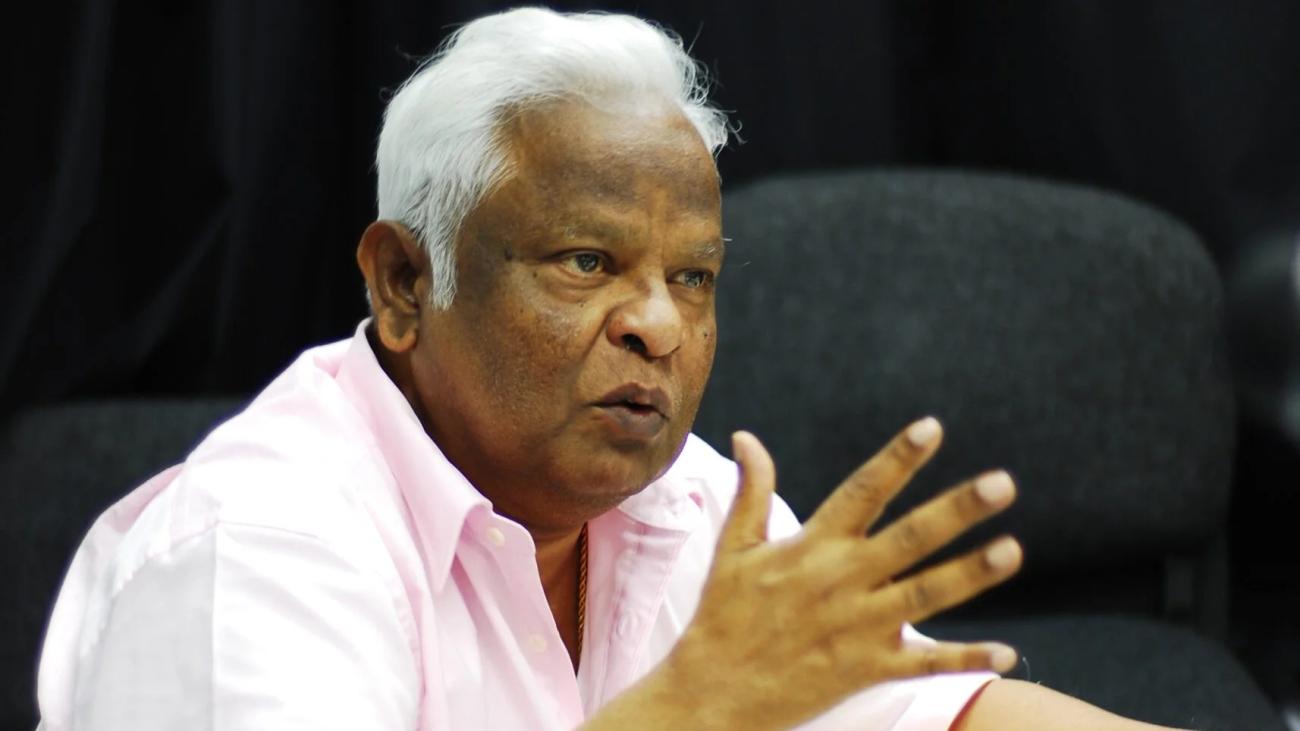
“Climate Justice, Environmental Stewardship, and Community Resilience” was led by Prof. Dr Mathew Koshy Punnackadu, environmental scientist and Commissioner of the World Council of Churches Commission on Climate Justice and Sustainable Development.
Emphasising that climate justice is impossible without environmental partnership, Prof. Punnackadu said that environmental partnership forms the foundation of resilient communities. Climate change must be understood not only as an environmental issue but also as a matter of justice, equity, and human dignity, with those who have contributed least often bearing its greatest consequences.
He called for a transition from a carbon economy to a renewable energy economy and encouraged young people to engage with the green transition. He also shared the Punnakkadu Model, a community-based development initiative under the Church of South India Community Development Programme that demonstrates how the Sustainable Development Goals can be advanced through partnerships among churches, educational institutions, civil society, and local governments.
Using mangrove forests and forest ecosystems as examples of partnership, cooperation, and mutual support, Prof. Punnackadu underscored the interconnectedness of creation and reminded participants that creation should not be valued solely for economic benefit, but also for sustaining life and fulfilling God’s purpose, with every species possessing intrinsic worth. He further highlighted that forest conservation is both an environmental responsibility and an expression of climate justice, social justice, and Christian stewardship.
Turning to practical expressions of eco-diakonia, Farida Pasiwen-Cawatig, Regional Development Officer with the Episcopal Community Action for Renewal and Empowerment (E-CARE) Foundation, the development arm of the Episcopal Church in the Philippines, presented on “Advocacy and Community-Based Eco-Diaconal Initiatives.”
Ms Pasiwen-Cawatig said advocacy is an essential part of Christian mission, as the Church is called to act, speak, and stand for justice, creation, and people’s livelihoods, particularly in protecting vulnerable communities, Indigenous peoples, the environment, and future generations. She shared that the experience of Typhoon Haiyan (Yolanda) in 2013 became a turning point for the Episcopal Church in the Philippines, shifting its focus from disaster relief alone to long-term recovery, resilience, and environmental stewardship.
She introduced the Asset-Based Community and Congregational Development (ABCD) approach, which builds on local strengths and resources rather than dependence on external aid, and also shared about E-CARE’s Vegetable Rescue Programme, an initiative that supports farmers affected by disasters, reduces food waste, and provides food to communities through ecumenical partnerships.
Ms Pasiwen-Cawatig stressed that recovery should restore livelihoods and strengthen communities by asking, “What do you have?” and “What can you do with what you have?” She also shared how, through grant-back and payback mechanisms, communities that have received assistance are encouraged to contribute to disaster funds that support future responses. This “Receiver-to-Giver” model seeks to transform disaster survivors into active contributors, reflecting Christian values of sharing, mutual care, and solidarity.
Rev. Ebenezer Joseph, a member of the CCA Programme Committee and former General Secretary of the National Christian Council of Sri Lanka (NCCSL), spoke on “Strengthening Ecumenical Collaboration through the Ecumenical Diakonia Network in Asia (EDNA).” He reflected on diakonia as a way of life rooted in compassionate accompaniment, emphasising that it goes beyond charity or welfare to recognising our own participation in the world’s brokenness and journeying together towards healing and transformation.
Rev. Joseph highlighted compassion as central to Jesus’ ministry, an inner conviction that compels action rather than passive concern. “Genuine diakonia requires becoming immersed in the experiences, struggles, and aspirations of people and journeying with them towards the fulfilment of their hopes,” he said. He also noted that the Good Samaritan illustrates authentic service by moving beyond immediate assistance towards long-term commitment and restoration, while neighbourly love calls Christians to cross social, cultural, ethnic, and religious boundaries.
He stressed that accompaniment begins by listening to people’s lived experiences and discerning God’s call from below. The Church is called to be a ministry of presence, remaining with communities through conflict, disasters, economic crises, and other forms of suffering. He said that its witness is strongest when it chooses solidarity and accompaniment rather than distance and disengagement.
Rev. Joseph also spoke of the need for churches and the ecumenical movement to foster spaces of accompaniment, solidarity, and collaboration, presenting EDNA as a space where new expressions of unity and shared Christian witness can emerge in Asia.
He reminded participants that diakonia is an expression of hope, faith, courage, and spirituality, not merely large programmes or institutions. Like the mustard seed, small and faithful acts of service can grow into life-giving communities that provide hope and shelter for many, he said.
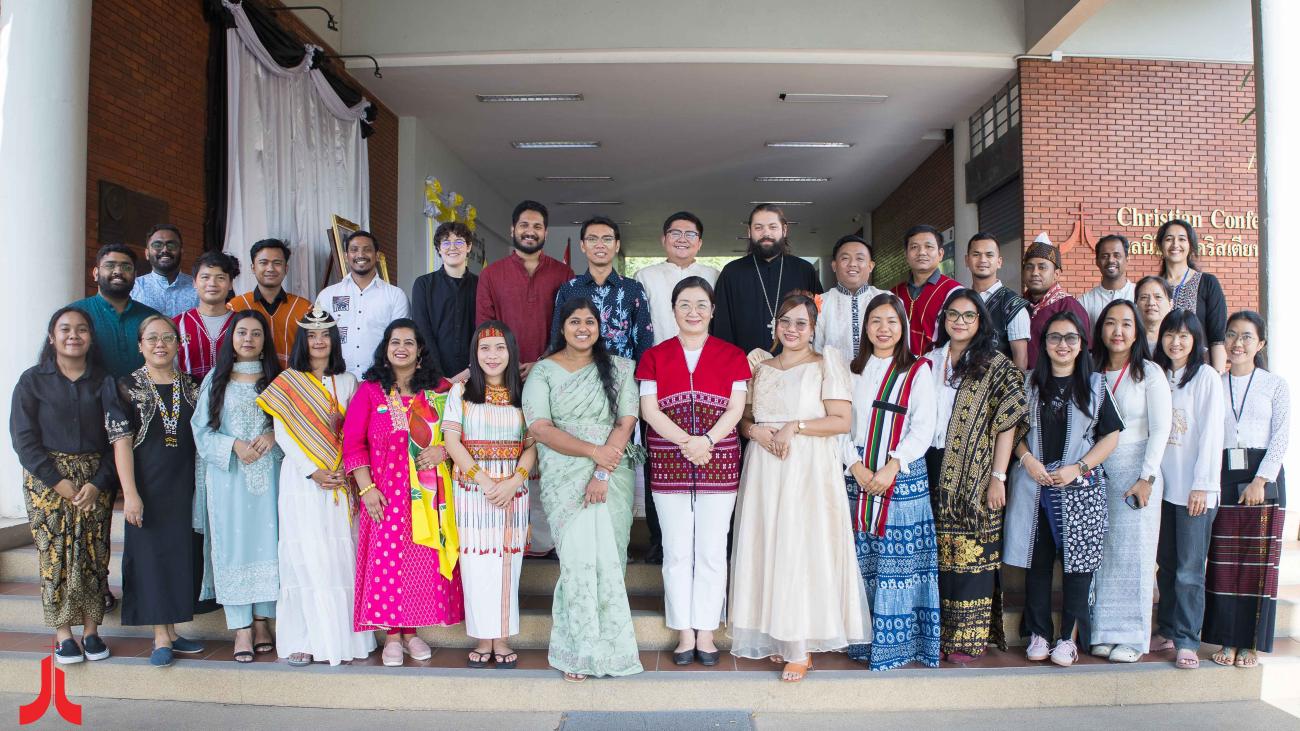
CCA Programme Coordinator John Paul Devakumar, who organised the three-day virtual workshop, shared at the closing, “The future of ecumenical diakonia in Asia depends not only on responding to today’s challenges, but also on intentionally forming a new generation of leaders who can accompany communities with compassion, advocate for justice with courage, and care for creation with hope. Through this workshop, we have begun nurturing a regional fellowship of young leaders committed to participating together in God’s mission across Asia.”