CCA General Secretary offers prayers and solidarity following deadly Nepal-Tibet floods
Programme Review and Programme Direction

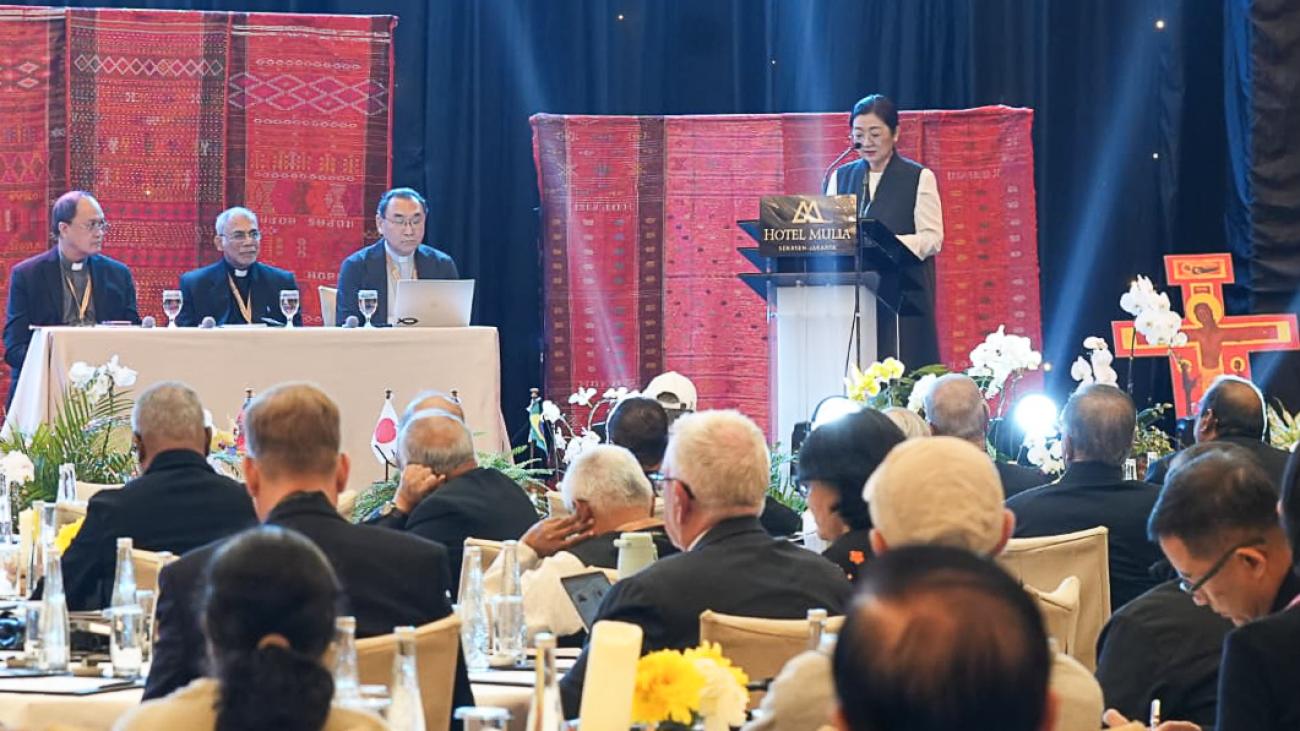
Two key deliberative sessions during the 15th CCA General Assembly are the Programme Review and Programme Direction sessions.

The Programme Review and Programme Direction sessions will both be conducted in three groups relating to the CCA’s programme areas, namely, (i) General Secretariat (GS), (ii) Mission in Unity and Contextual Theology (MU) and Ecumenical Leadership Formation and Spirituality (EF); and (iii) Building Peace and Moving Beyond Conflicts (BP) and Prophetic Diakonia (PD).

Assembly participants will have the option to join one of three groups for both the Programme Review and Programme Direction sessions. For the sake of coherence, the assigned group will remain the same for both sessions.

General Secretariat

The General Secretariat oversees the coordination of programmatic, administrative, and financial activities of the organization. The GS comprises various departments such as church and ecumenical relations, relations with ecumenical partners, finance, administration, and communications, which provide crucial support and services for the implementation of programs and contribute to the overall functioning of the CCA.

Programmes: Relations with member churches and councils, ecumenical partners; advocacy at the United Nations; ecumenical responses to emerging issues in solidarity; income development and finance; and communications.

Mission in Unity and Contextual Theology (MU) and Ecumenical Leadership Formation and Spirituality (EF)

Under the MU programme area, the CCA accompanies Asian churches to strengthen their mission and witness in multi-religious contexts, revitalise and nurture church unity and the Asian ecumenical movement, and develop contextual theological foundations.

Programmes: Asian Movement for Christian Unity (AMCU); Congress of Asian Theologians (CATS); Asian women doing theology in the context of wider ecumenism; contextualisation of theology in Asia and ecumenical theological education.

The EF programme area focuses on nurturing and developing ecumenical leaders in Asia. The programme aims to enhance spiritual formation and theological understanding, enabling people to actively engage in ecumenical dialogue and collaboration.

Programmes: Ecumenical Enablers’ Training in Asia (EETA); Asian Ecumenical Institute (AEI); Youth and Women Leadership Development; Ecumenical Spirituality and Nurturing of Contextual Liturgical Traditions; Asia Sunday

Building Peace and Moving Beyond Conflicts (BP) and Prophetic Diakonia and Advocacy (PD)

The BP programme area is dedicated to promoting peace, justice, and reconciliation in Asia’s diverse contexts. Through training, advocacy, and dialogue, the programme addresses the root causes of conflicts, empowers communities, and fosters sustainable peacebuilding initiatives.

Programmes: Pastoral Solidarity Visits; Churches in Action for Moving Beyond Conflict and Resolution; Young Ambassadors of Peace in Asia (YAPA); Ecumenical Women’s Action Against Violence (EWAAV); Eco-Justice for Sustainable Peace in the Oikos.

The PD programme area focuses on promoting justice, human rights, and social transformation in Asia. Through advocacy, capacity-building, and raising awareness, the programme addresses systemic injustice, empowers marginalised communities, and advocates for prophetic actions and meaningful change.

Programmes: Human Rights advocacy; Migration, Statelessness, and Trafficking in Persons; Asian Ecumenical Disability Advocacy Network; Asian Advocacy Network on the Dignity and Rights of Children (AANDRoC); Ecumenical Solidarity Accompaniment and Diakonia in Asia (ESADA); Health and Healing; Good Governance; Action Together to Combat HIV and AIDS in Asia (ATCHAA).

No preference updated.

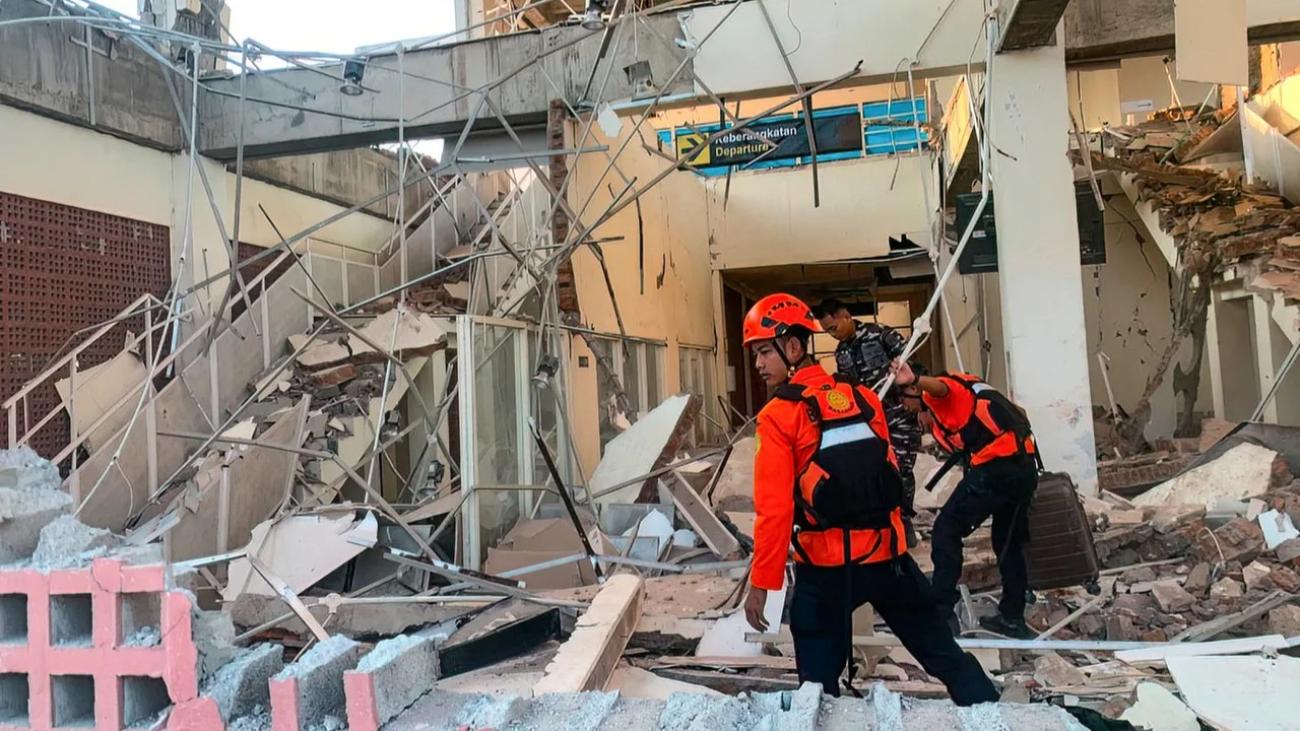
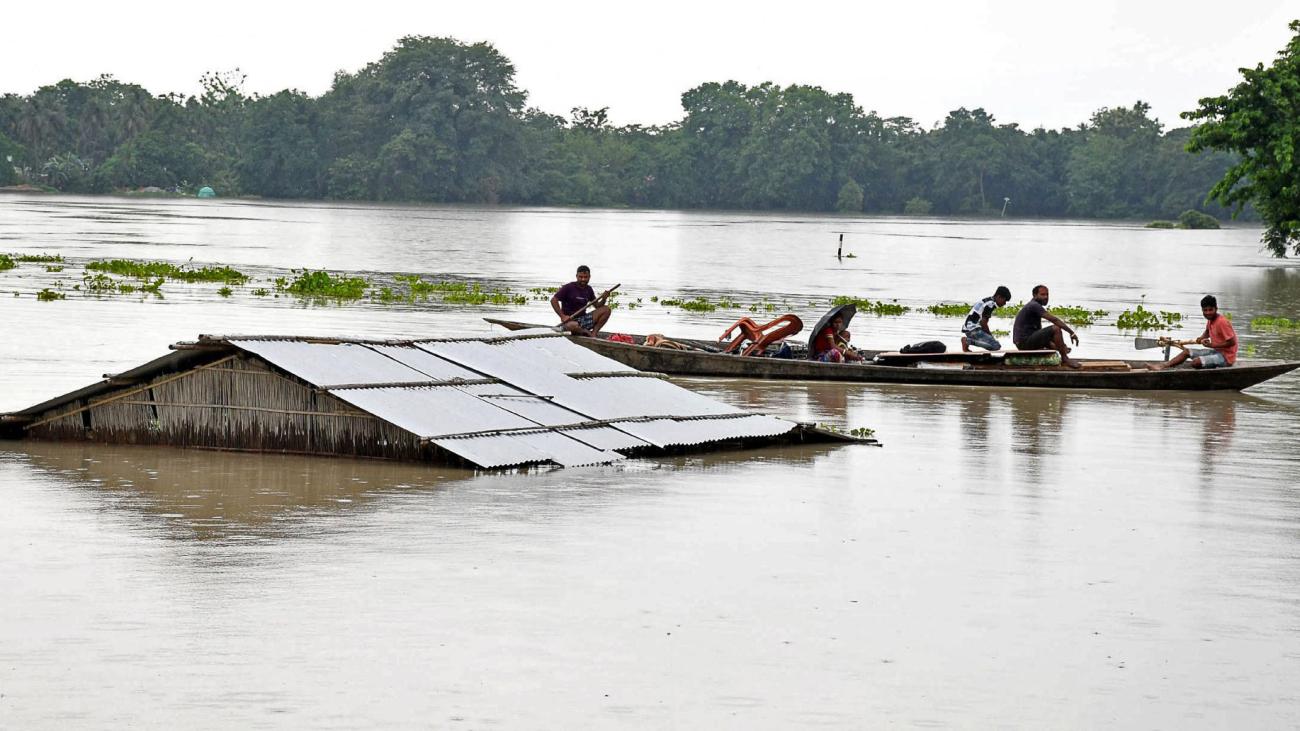
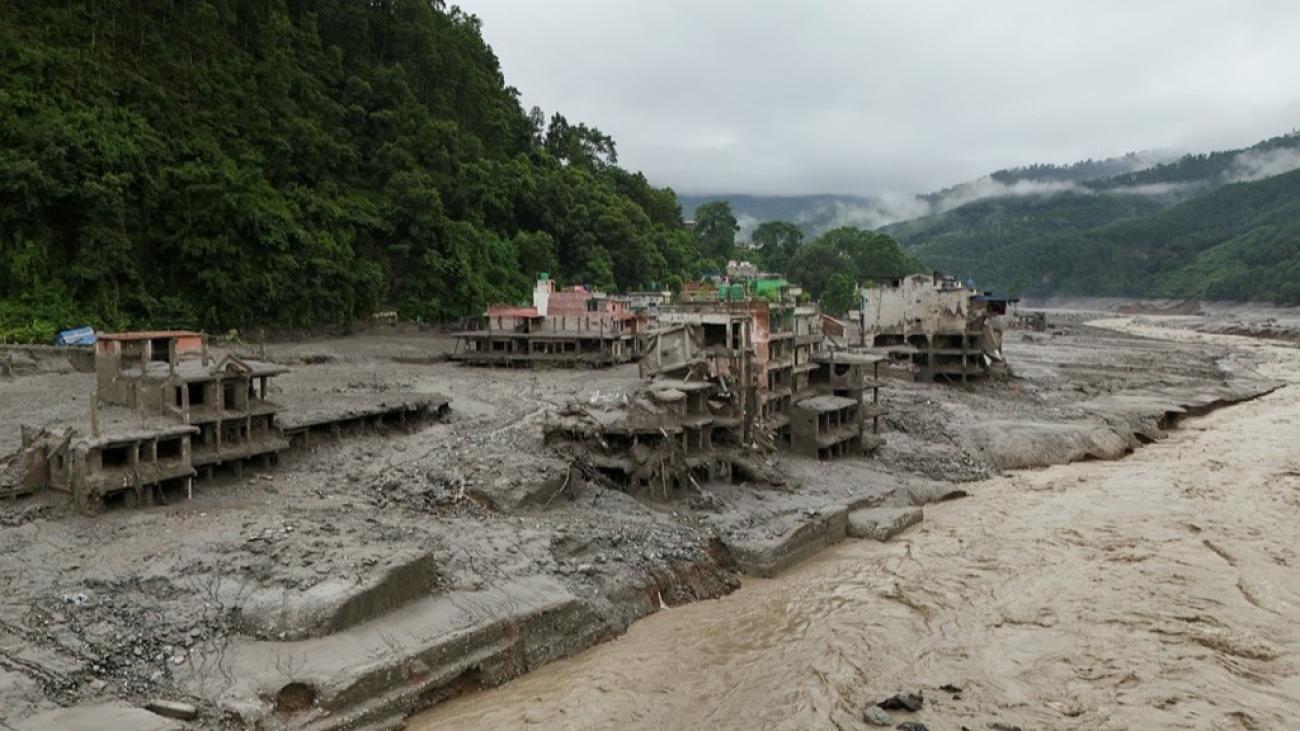
    Picture credit: Reuters via Sky News

    Chiang Mai, Thailand: The Christian Conference of Asia (CCA) General Secretary Rev. Jung Eun Grace Moon offered prayers and expressed solidarity with the people of Nepal and Tibet following catastrophic flash floods that tore through the Himalayan border region on 26 August 2026, causing extensive loss of life and devastation across communities.

    The floods, which swept away villages and critical infrastructure, have claimed at least 165 lives in Nepal and Tibet, with the death toll expected to rise as search and rescue operations continue. Hundreds of people remain missing, including residents, workers, and foreign visitors.

    The CCA General Secretary said, “Our hearts are heavy with grief as we remember the people of Nepal and Tibet in this moment of profound suffering. We mourn with every family that has lost a loved one; we stand with those who are still waiting for news, and we grieve with communities whose homes and livelihoods have been swept away. In the midst of such overwhelming pain, we pray that the people of Nepal and Tibet may know that they are not alone. We are together in this hour of anguish.”

    Experts believe the flash floods were triggered by a massive collapse of ice and rock in the Himalayan border region. The resulting debris entered the Lhende Khola River, generating a sudden surge of water, sediment, and boulders and sending river levels rising by as much as nine metres within 30 minutes.

    The scale and speed of the flooding have made rescue and emergency response particularly challenging. Damaged roads and bridges have disrupted access and communication, while unstable terrain, the risk of further landslides, and the possibility of additional flooding continue to complicate rescue efforts. 

    Calling for prayers and humanitarian support, Rev. Moon said, “CCA calls on its member churches, member councils, and ecumenical partners to uphold the people and communities of Nepal and Tibet in prayer and to accompany them with timely relief, compassionate presence, and sustained support for recovery and rebuilding.”

    “In this time of profound loss and suffering, may God’s comforting presence draw near to all those affected, embrace those who grieve, strengthen those who search and serve, shelter those who have lost their homes, and kindle a light of hope amid the darkness,” she added.

    Reflecting on the devastation in the Himalayan region, Rev. Moon noted that it is yet another reminder that environmental change and human vulnerability are deeply connected. She invited Asian churches to reflect anew on their calling to care for creation and one another, and to renew their commitment to climate justice, disaster preparedness, and solidarity with communities whose lives and livelihoods are increasingly exposed to environmental change.