Expansion of Asian Diaspora reshaping mission, identity and Christian unity, say Asian church leaders at international consultation
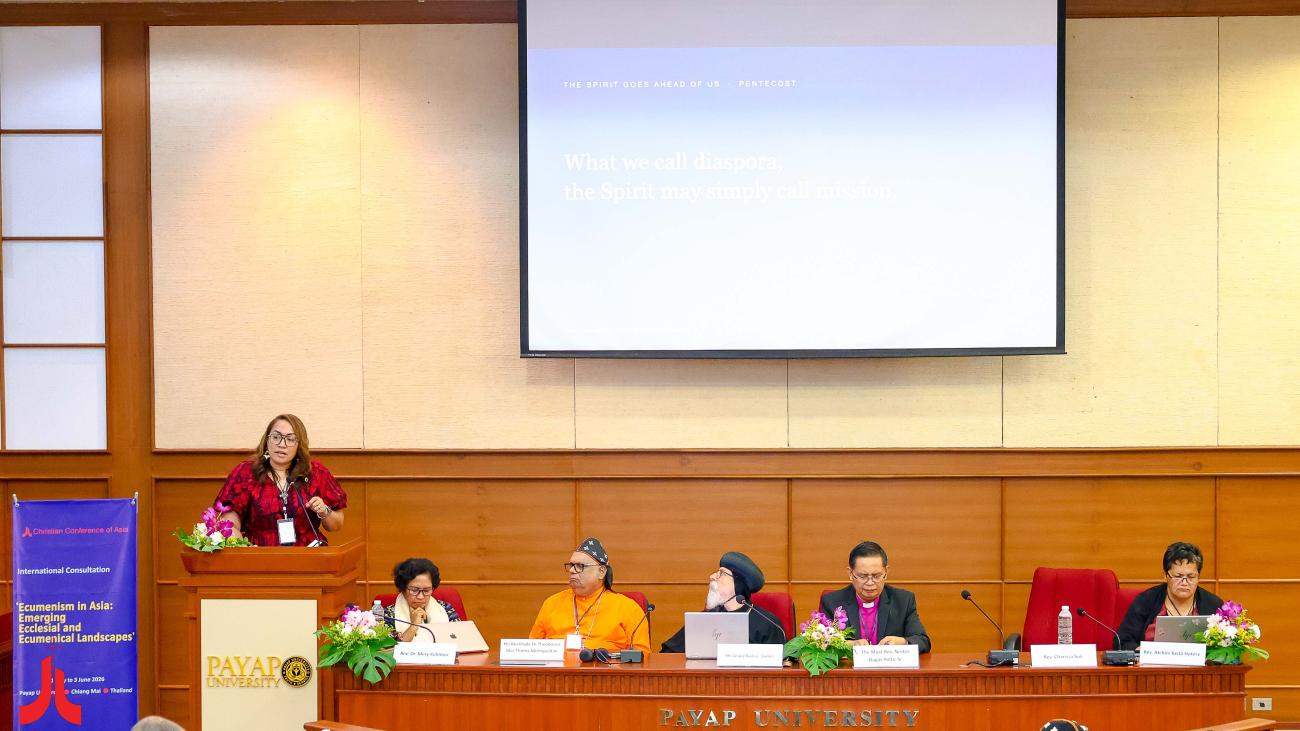
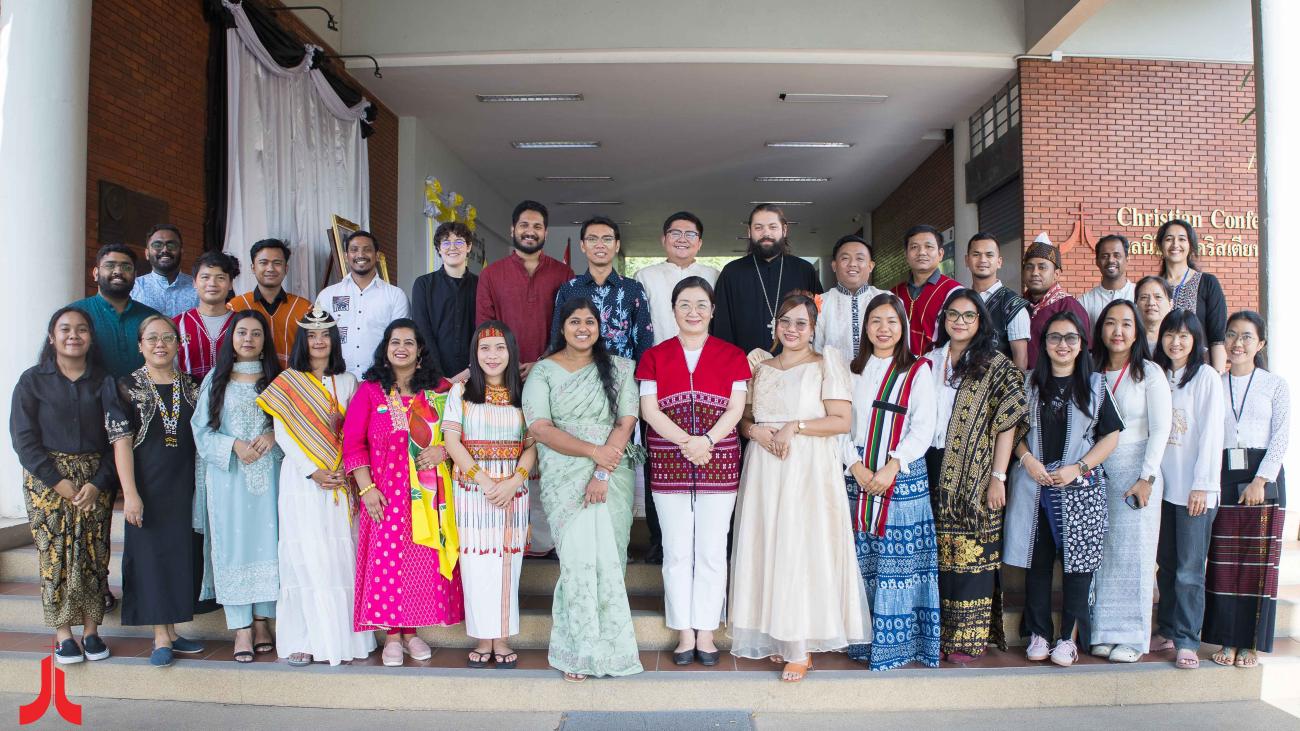
Chiang Mai, Thailand: On the second day of the International Consultation on Ecumenism in Asia, panel presentations on “Migration from Homeland and Expansion of Asian Diaspora Churches Beyond the Borders” explored how migration is transforming churches worldwide, reshaping mission, identity, belonging, and Christian unity. Speakers highlighted both the opportunities and challenges created by migration, and the spread of the Asian Diaspora, calling on churches to respond through hospitality, advocacy, intercultural engagement, and shared witness.
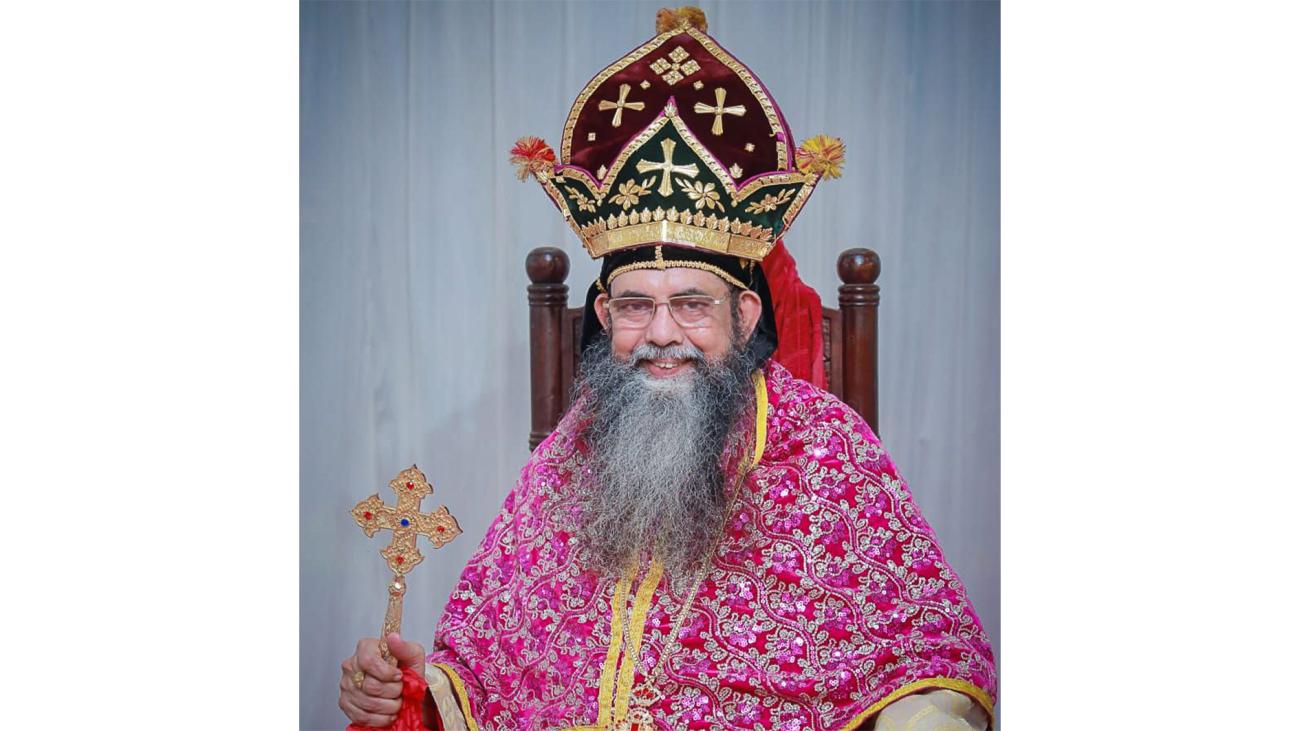
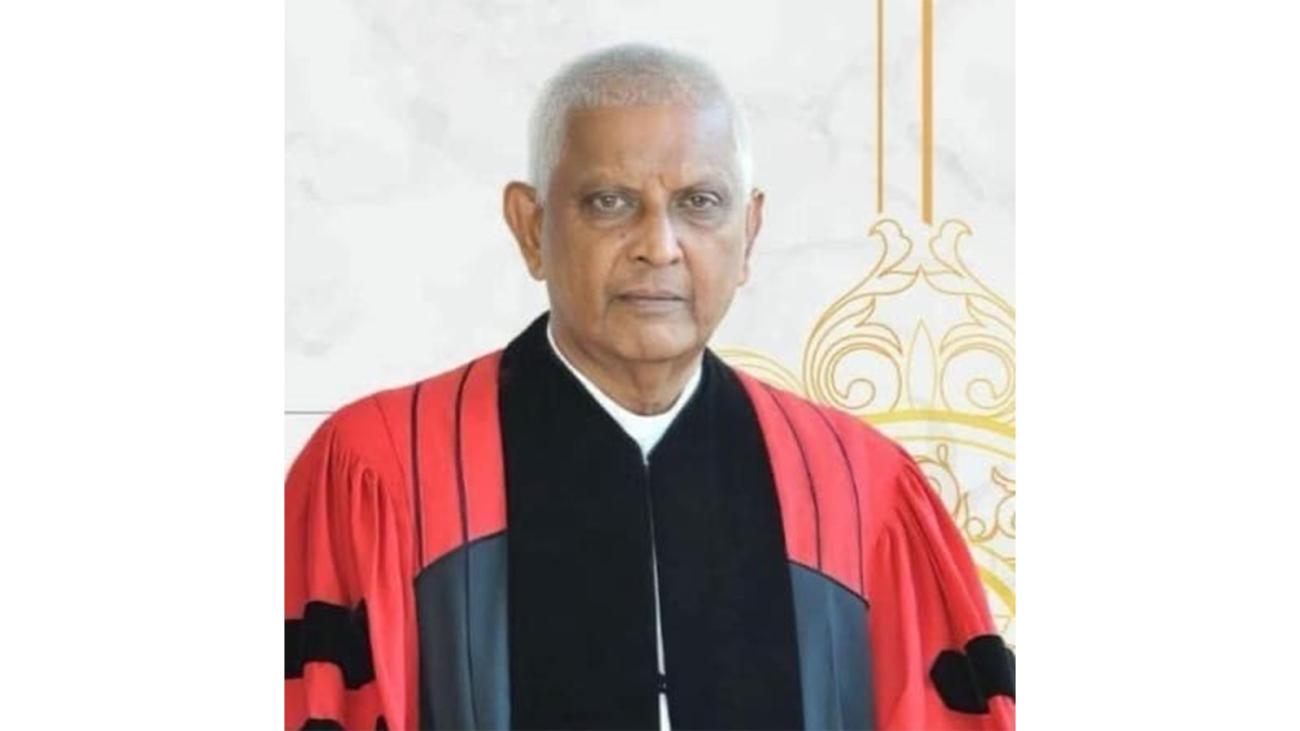
His Beatitude Dr Theodosius Mar Thoma Metropolitan, Primate of the Malankara Mar Thoma Syrian Church in India, traced the transformation of the Mar Thoma Church from a Kerala-based church into a global communion. Beginning with the establishment of its first overseas congregation in Malaya (Malaysia) in 1926, the Church has expanded across continents, with diaspora communities serving as vibrant centres of worship, fellowship, pastoral care, and Christian witness.
The Mar Thoma Metropolitan highlighted both the opportunities and challenges created by migration, noting that migrants often face loneliness, cultural displacement, and limited pastoral support, while home congregations experience demographic decline and the absence of younger generations. He emphasised the Church’s responsibility to accompany people wherever they settle, offering care, belonging, and spiritual nurture.
The Metropolitan also noted the growing presence of second- and third-generation diaspora Christians, whose experiences raise important questions of identity, faith, culture, and belonging. He stressed that diaspora churches must move beyond ethnic boundaries to become inclusive and intercultural Christian communities, with renewed attention to youth engagement, leadership formation, intercultural ministry, and digital outreach.
Reflecting on the experiences of Filipino migrant workers, Rt Rev. Nestor Dagas Poltic Sr., Prime Bishop of the Episcopal Church in the Philippines, observed that while migration offers economic opportunities and contributes significantly to the Philippine economy, many migrant workers continue to face exploitation, human trafficking, wage theft, unsafe working conditions, and family separation.
Prime Bishop Poltic Sr. highlighted how churches in the Philippines have responded to migration through pastoral care, advocacy, support networks, and ministries for migrants and their families. He noted that ministry among migrant workers has become an important space for ecumenical cooperation, bringing together Protestant, Catholic, Anglican, and other Christian communities in a shared commitment to justice, compassion, and service.
Drawing on examples from Hong Kong and South Korea, he described how churches provide worship, temporary shelter, legal assistance, workers' rights education, and community-building activities. These ministries help migrants overcome loneliness, homesickness, and cultural displacement while fostering a sense of belonging and dignity.
Framing migration as both a social reality and a theological concern, the Prime Bishop stressed that caring for migrants is a responsibility of the universal Church and an opportunity for churches to deepen unity, strengthen ecumenical relationships, and embody Christian solidarity through shared ministry, hospitality, and advocacy.
Indonesian theologian and former Moderator of the Evangelical Christian Church in Timor (GMIT), Rev. Dr Mery Kolimon, highlighted the challenges faced by Indonesian migrant workers, many of whom are vulnerable to human trafficking, exploitation, and abuse. She noted that the rising number of deceased migrant workers being returned home served as a wake-up call for churches to respond more intentionally to the crisis.
In response, GMIT established the House of Hope offering a holistic ministry of prevention, survivor support, rehabilitation, and reintegration, complemented by pastoral care, legal assistance, advocacy, and community education.
Rev. Dr Kolimon described human trafficking as a crime against humanity and a violation of God-given dignity, stressing that advocacy for migrants and survivors is an essential part of Christian witness. She called on churches not only to care for victims but also to confront the structural causes of exploitation, including poverty, inequality, and unjust systems.
Rev. Dr Kolimon also explored the emergence of diaspora congregations as migrant communities seek familiar faith communities that provide a sense of belonging, support, and spiritual continuity. These churches serve as “homes away from home” while reflecting a broader transformation in the understanding of the church itself. She noted that the church can no longer be viewed solely as a territorial institution, rather as a mobile community of faith accompanying people wherever they move.
Rev. Charissa Suli, President of the Uniting Church in Australia, challenged churches to view diaspora communities not as a challenge to Christian unity but as one of its strongest expressions. As people carry their faith and church traditions across borders, they reveal the global and interconnected nature of the Body of Christ.
Emphasising that migrant communities are partners in mission rather than merely guests, Rev. Suli called on churches to move beyond symbolic inclusion and embrace genuine mutuality through shared leadership and decision-making. She argued that Christian unity is expressed through diversity rather than uniformity, recalling that the Holy Spirit crossed borders long before institutions did.
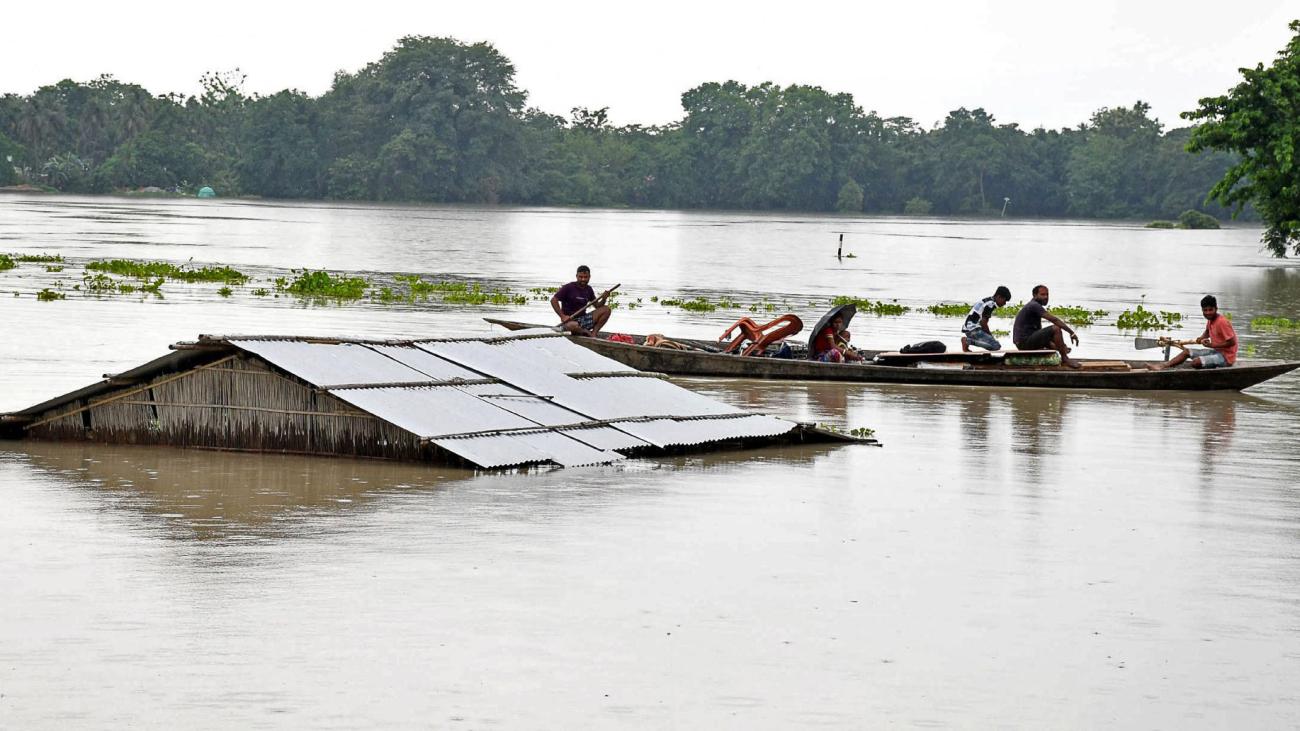
Rev. Suli highlighted the realities of climate-induced displacement, with rising sea levels forcing communities from their ancestral homelands. In such contexts, churches become vital sources of identity, belonging, and continuity. She stressed that migration cannot be separated from the forces that drive it, including climate change, economic inequality, conflict, and exploitation, and called on churches not only to welcome migrants but also to address these underlying injustices. She also underscored the importance of honouring the rights and histories of Indigenous peoples, urging churches to foster dialogue and mutual enrichment between migrant and Indigenous communities.
Rev. Suli identified second- and third-generation diaspora Christians as key leaders of a new ecumenical future, capable of bridging cultures, languages, and traditions. She said the future church will be shaped less by geography than by relationships, becoming a community where migrants, Indigenous peoples, and diverse cultures participate together as equal partners in God's mission.
Coming from the Methodist Church of New Zealand, Rev. Akihini Keita Hotere reflected on how migration and the growth of diaspora churches are reshaping the ecclesial and ecumenical landscape of Aotearoa New Zealand, emphasising that discussions of migration must also engage questions of identity, belonging, culture, and community.
Drawing on the Māori concept of Papakāinga, she presented homeland as more than a physical location, describing it as a source of identity, wellbeing, memory, and belonging. Quoting the Māori saying, “Ko au ko te whenua, ko te whenua ko au – I am the land, the land is me,” she underscored the inseparable relationship between people, land, and identity. “Wellbeing is found in the land, and through the land the people find peace,” she said, highlighting how connection to land remains central to understanding migration, displacement, and cultural continuity.
Rev. Hotere stressed that any conversation on diaspora and migration must take seriously Indigenous understandings of land, place, and community, while honouring the histories and experiences of First Peoples. Indigenous perspectives offer important insights for churches responding to changing demographic and ecclesial realities, she said.
At the same time, she noted that emerging migration patterns are creating new opportunities for ecumenical engagement and cooperation. As societies become increasingly multicultural and interconnected, churches are being challenged to rethink identity and mission. Diaspora communities, she said, are becoming significant contributors to the future shape of Christian witness and unity, helping to build a more interconnected and inclusive church.
His Grace Bishop Daniel of the Coptic Orthodox Church Diocese of Sydney and Affiliated Regions moderated the session.