Asian youth called to “break every yoke” and lead transformative change
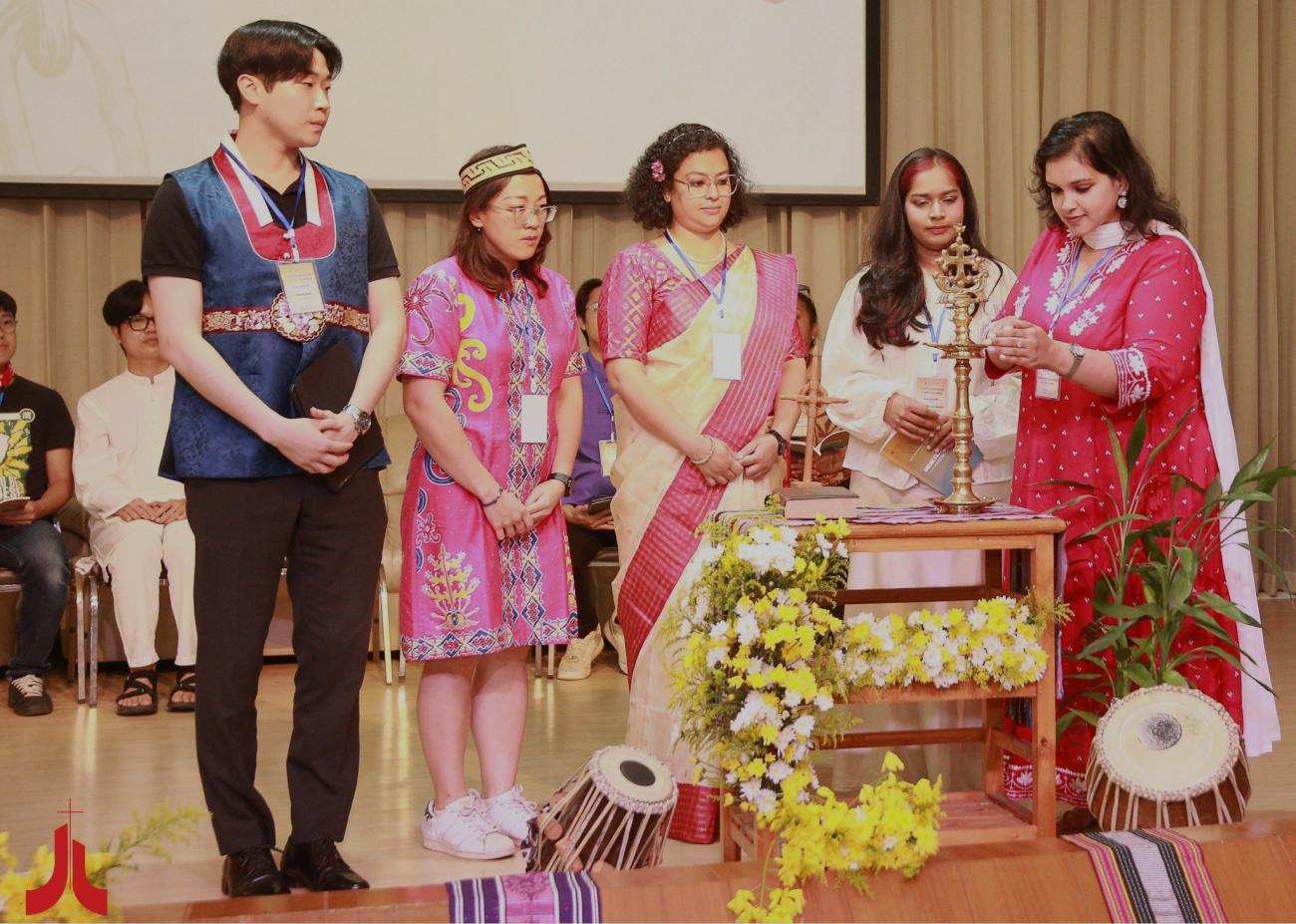
CCA Vice Moderator Dr Anna Alisha Mathew Simon (Malaysia) lighting the lamp during AEYA-2026 opening worship
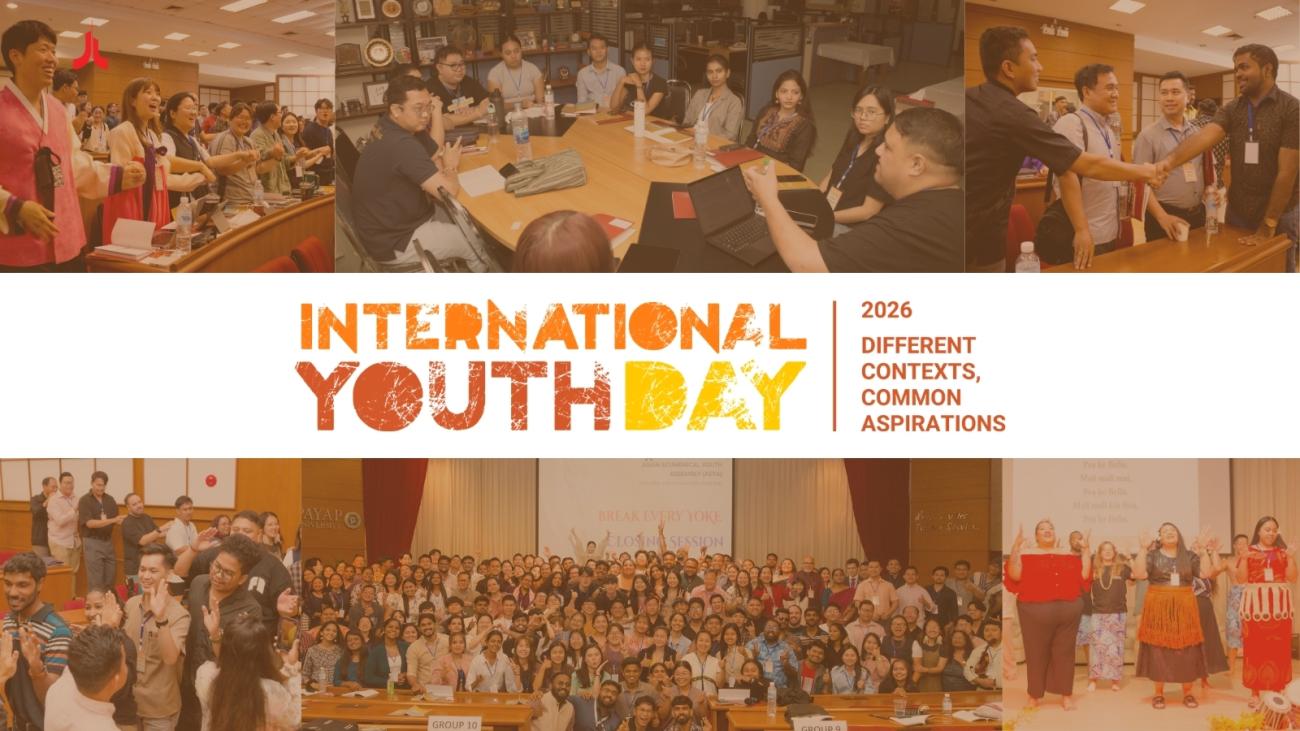
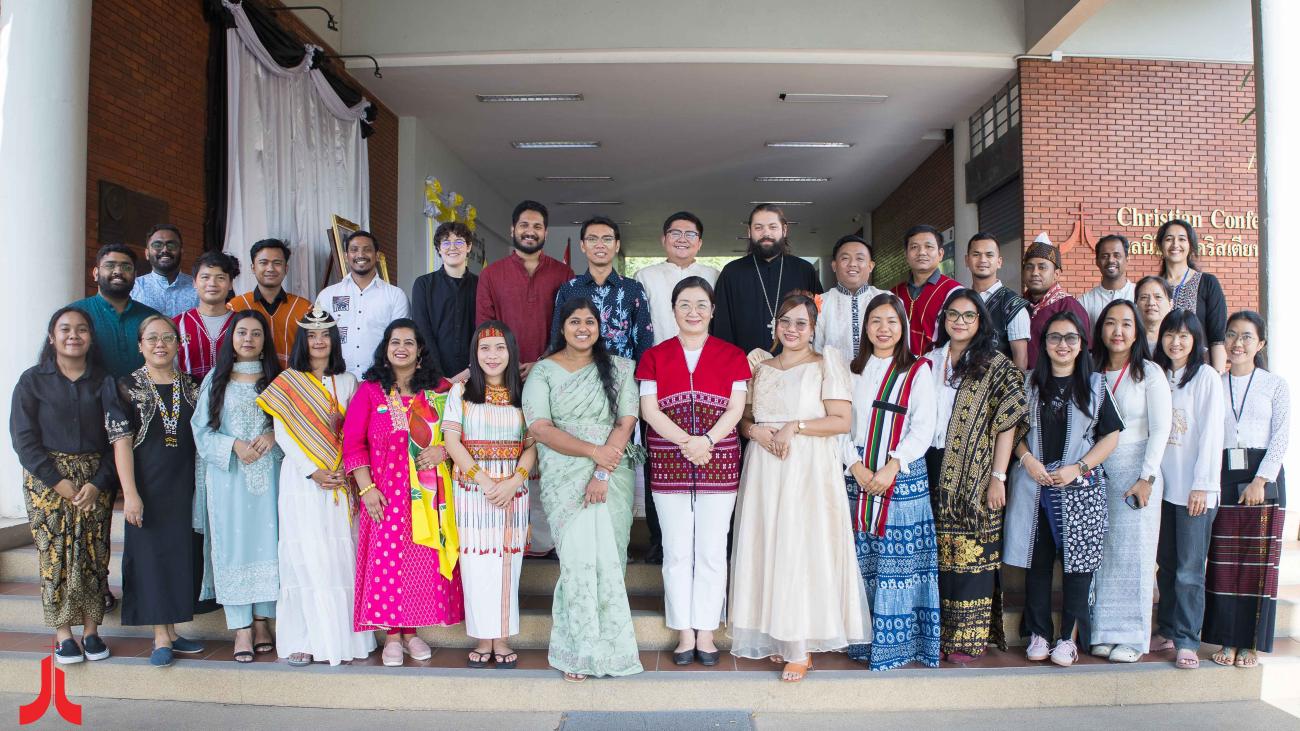
Chiang Mai, Thailand: On the first day of the Asian Ecumenical Youth Assembly (AEYA-2026), Asian youth leaders from across Asia were urged to “break every yoke” and become agents of transformative change in their societies.
Delivering the inaugural address at CCA’s fifth youth summit, General Secretary of the Christian Conference of Asia, Dr Mathews George Chunakara recalled the long history of CCA’s Asian ecumenical youth gatherings since 1964, highlighting AEYA as a continuing platform for young people to share experiences and engage with pressing regional and global challenges.
Dr Chunakara noted that today’s Asian youth are living at a critical juncture of history, facing interconnected issues such as economic inequality, unemployment, limited access to education, mental health pressures, and the growing impact of digital and social media environments. Despite these realities, he emphasised that young people remain a vital force in society as innovators, bridge-builders, and agents of social and spiritual transformation.
The CCA General Secretary emphasised the role of ecumenical youth themselves, whom he described not merely as participants but as active shapers of the ecumenical movement. He said, “From the early stages of the ecumenical movement, young people have played pioneering roles in fostering unity across denominations, nations, and cultures, helping to build spaces of encounter and cooperation at local, national, regional, and global levels.”
Dr Chunakara underscored that the future relevance of ecumenism depends on meaningful youth engagement, and urged the creation of stronger, more intentional platforms that enable young people to lead, contribute, and shape the direction of the movement. He further called on participants to embrace the Assembly’s theme, “Break Every Yoke,” as a collective ecumenical and prophetic responsibility to challenge all forms of oppression and to work toward just, inclusive, and life-giving communities across Asia.
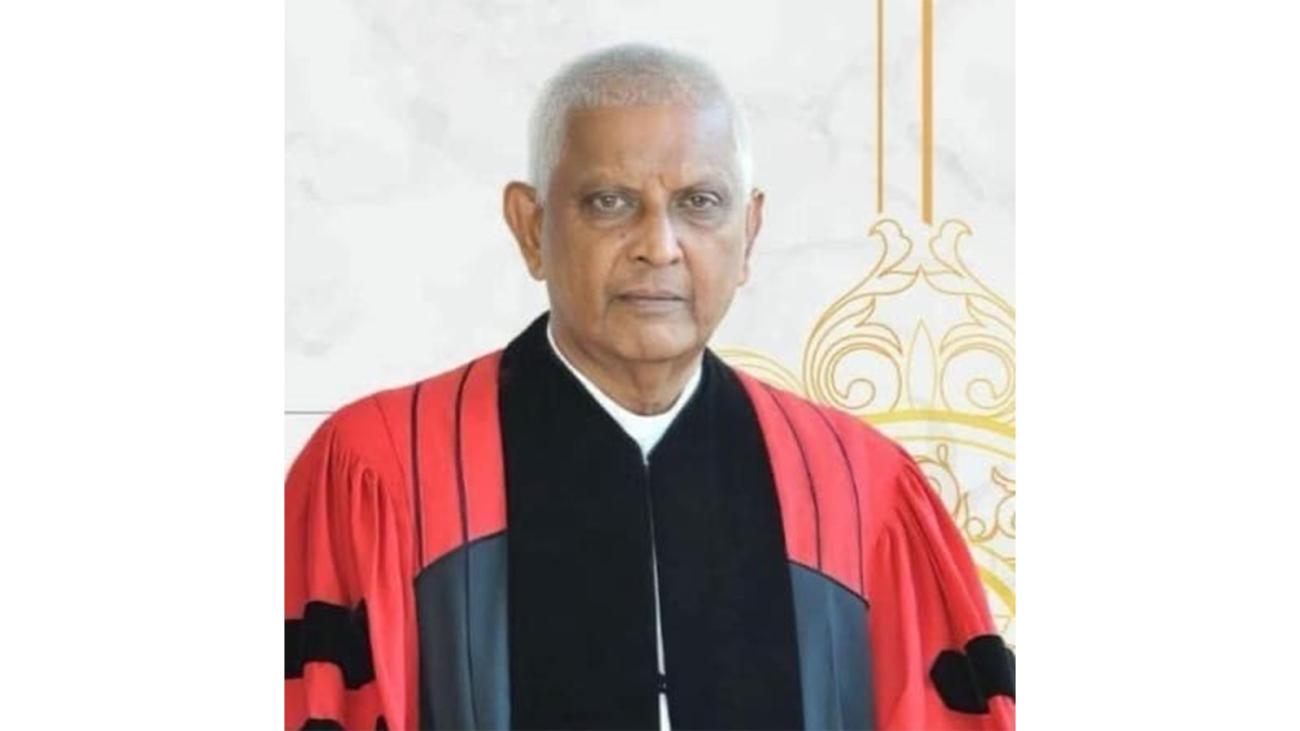
Korean theological educator Rev. Dr Hoyoung Ma from Yonsei University in Seoul delivered the first thematic address on “Break Every Yoke: Moving Towards the Fullness of God's Purpose”.
Dr Hoyoung Ma reflected on the paradox of the twenty-first century in which rapid scientific, technological and economic advancement coexisted with deepening global crises, including poverty, inequality, forced migration, human rights violations and environmental degradation. He noted that despite common assumptions that progress would lead to improved human well-being, the reality remained marked by widening injustice and ecological strain.
He raised a critical question for Christians regarding their mission in a world shaped by both global growth and global crisis. “In this present moment, where global growth and global crisis exist together, what is the mission of Christians, especially Asian Christian youth, who have been sent to the ‘here and now’ rather than any other era? And what do we need to faithfully fulfill this calling?”
While acknowledging the efforts of governments, international agencies and civil society through development frameworks such as the Sustainable Development Goals Rev. Dr Ma challenged participants to consider the responsibility of people of faith in responding to suffering and in actively practising neighbourly love.
Framing the theme of AEYA 2026 “Break Every Yoke” within the concept of Missio Dei, he explained that the breaking of oppressive yokes was aligned with God’s purpose, stating, “Breaking the yokes of myself and my neighbour suffering from the global crisis is nothing less than aligning with God's purpose, experiencing God's fullness, and directing our lives toward God. This is exactly the Missio Dei that has sent us to our respective places of life in this era.” He emphasised that this calling was both spiritual and practical, requiring concrete engagement with real-world challenges.
Rev. Dr Ma affirmed that Christian discipleship could not be separated from love of neighbour, stressing that in a world marked simultaneously by global growth and global crisis, Christian youth were called to respond faithfully and actively to help break the many burdens and injustices affecting humanity.
Rosiana Indah Purnomo of the Communion of Churches in Indonesia (PGI) moderated the session.
Photos of Day 1 of the Asian Ecumenical Youth Assembly (AEYA-2026) can be found here.