Young Asian voices reflect on migration, identity and faith
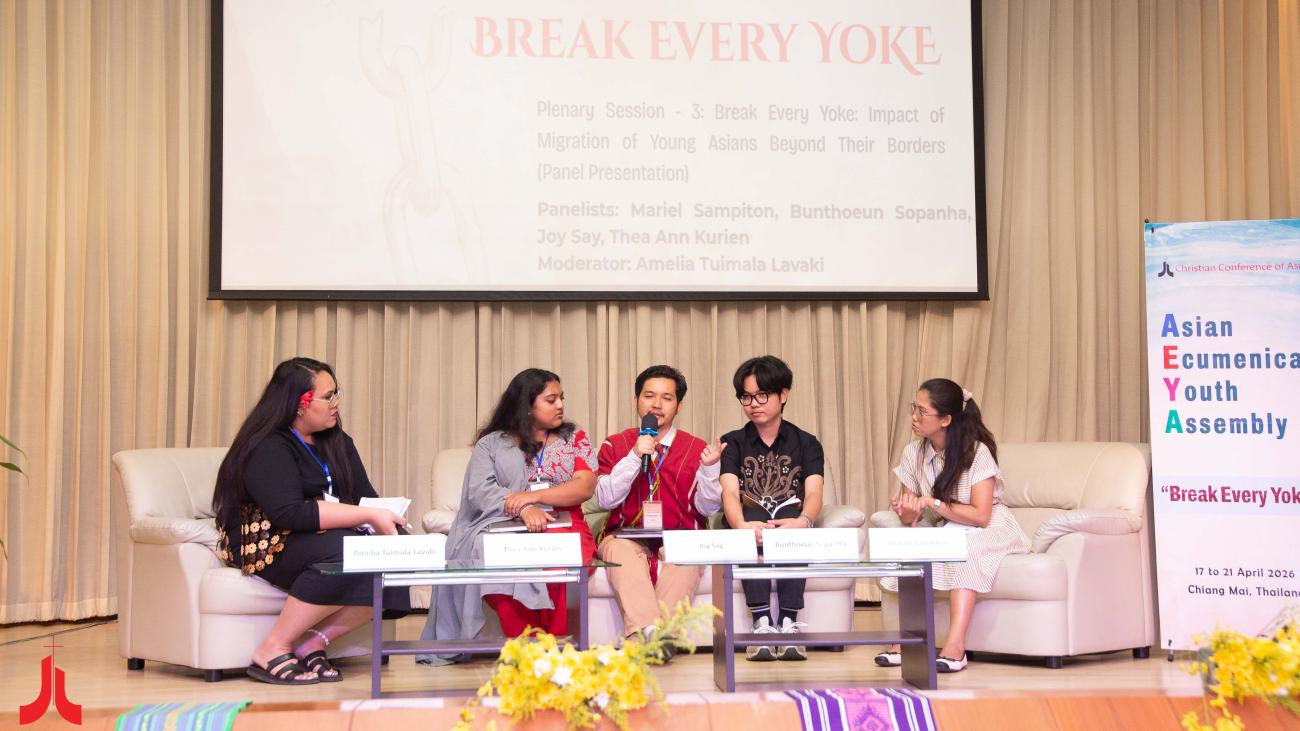
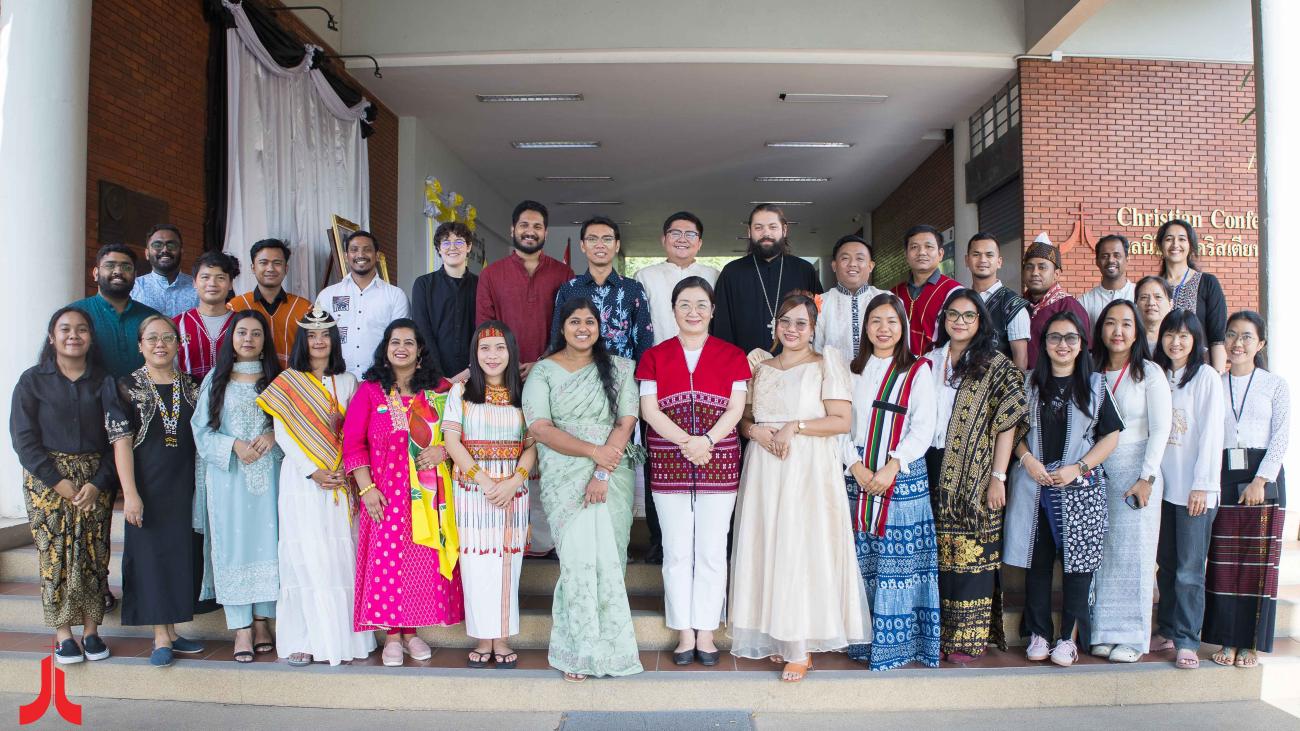
Panellists of “Break Every Yoke: Impact of Migration of Young Asians Beyond Their Borders”
Chiang Mai, Thailand: Migration, identity and faith took centre stage on the second day of AEYA 2026, as young voices from across Asia reflected on the realities of movement beyond borders. During an afternoon panel discussion on “Break Every Yoke: Impact of Migration of Young Asians Beyond Their Borders”, four speakers from diverse contexts shared how migration is reshaping lives, communities and the Church.
Saw Joy Say from the Kawthoolei Karen Baptist Bible School & College described the reality of Karen refugees, many of whom have spent their entire lives in camps along the Thailand–Myanmar border. With nine camps in place, a whole generation has grown up in displacement. For them, migration is not a choice but a lifelong condition, bringing deep physical, emotional and spiritual challenges.
Mr Say identified three main “yokes” carried by young people in these camps. The first is the loss of hope, as prolonged uncertainty leads many to feel their future is limited. The second is the challenge of education. Despite the dedication of teachers and students, camp-based education is not officially recognised, leaving young people with few opportunities beyond the camp. The third is a growing structural crisis, as low teacher support drives many to leave, while cuts to food rations and medical care place increasing pressure on families.
In response, he highlighted three roles for the Church: hospitality, welcoming refugees as brothers and sisters; protection, speaking out against injustice; and empowerment, supporting education, training and faith formation to restore hope. He also emphasised the need for collaboration among churches, organisations and leaders to strengthen schools, advocate for recognition, and create safe spaces for young people.
Mariel Sampiton Dalida, representing the Convention of Philippine Baptist Churches, spoke about the migration of Filipinos in search of better opportunities, describing it not simply as movement, but as transformation that reshapes identity, faith and family life.
Ms Dalida highlighted key challenges faced by young migrants, including cultural adjustment, language barriers, and emotional struggles such as homesickness and discouragement. At the same time, she noted that migration can open pathways for growth, enabling young people to develop leadership and adaptability, support their families, and engage in ministry.
She urged that migration be seen as both a blessing and a challenge, with its “yokes” found in discouragement, barriers and injustice, to be broken through trust in God, mutual support, and a commitment to live beyond self-centredness.
She challenged the assembly: “Let us not allow fear, poverty or cultural barriers to hold us back. Instead, let us embrace migration as part of God’s purpose. Let us serve Him by serving others, and trust that every burden we carry can be broken by His power.”
Simon Bunthoeun Sopanha, a Seoul-based anthropologist of Cambodian origin representing the National Council of Churches in Korea, reflected on how migration from Southeast Asia is reshaping South Korea’s social and religious landscape. He noted that young migrants, especially workers and students, navigate new environments while maintaining strong ties to their home communities. He observed that Korean churches have traditionally understood mission as something carried out abroad. However, with migrants now within South Korea, mission must also be lived out locally through multicultural engagement that integrates evangelism with social care.
Mr Sopanha highlighted that many migrants struggle to remain connected to church life due to language barriers, cultural differences and limited access to familiar worship. While the church can offer a vital sense of belonging, denominational divisions often hinder this, leading some to disengage.
“An ecumenical vision grounded in the concept of ‘one church under God’ offers a possible response to this challenge. By prioritising shared faith over denominational boundaries, churches can create more accessible and welcoming spaces for migrant communities,” he said, emphasising the need for unity and inclusivity.
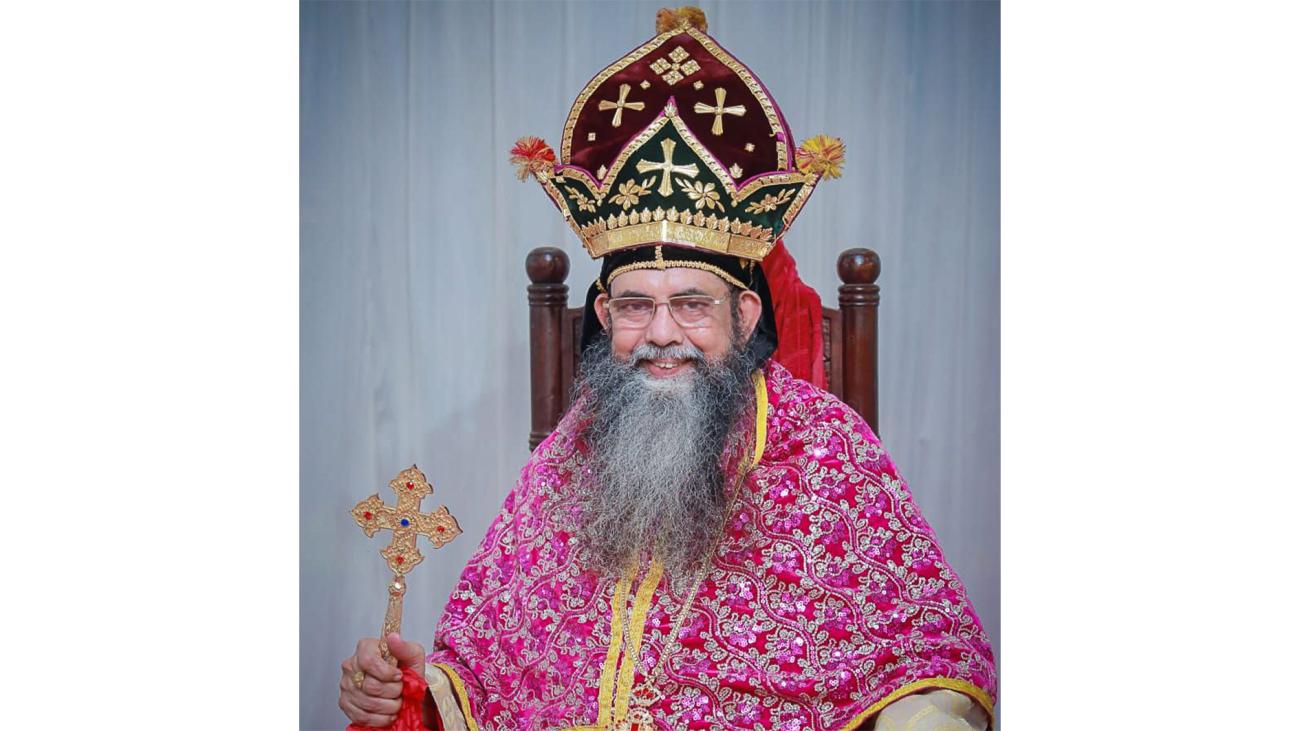
Thea Ann Kurien, representing the Jacobite Syrian Orthodox Church in India, grounded her presentation in Scripture, reflecting on migration through biblical narratives such as Abram’s call and the story of Daniel. She emphasised that migration is not merely geographical movement, but a deeper shift in identity, belonging and purpose.
She highlighted the hidden, internal costs of migration, particularly for young people who move for education or work. Beneath outward success often lie loneliness, pressure and quiet exhaustion, alongside the loss of familiar anchors such as family and community. In such contexts, identity can become fragmented and faith can slowly drift.
In response, Ms Kurien emphasised the vital role of the Church. She called on churches to recognise the often unseen emotional and spiritual struggles of migrants, to create safe and authentic spaces of belonging, and to become communities of restoration. While migration can fragment identity, she affirmed that the Church has the responsibility to help restore it.
The session was moderated by Amelia Tuimala Lavaki from the Uniting Church in Australia.
Photos of Day 2 of the Asian Ecumenical Youth Assembly (AEYA-2026) can be found here.