Young Asian Christians advised to affirm identity in Christ by embracing “place sharing” as a way of life in the digital era
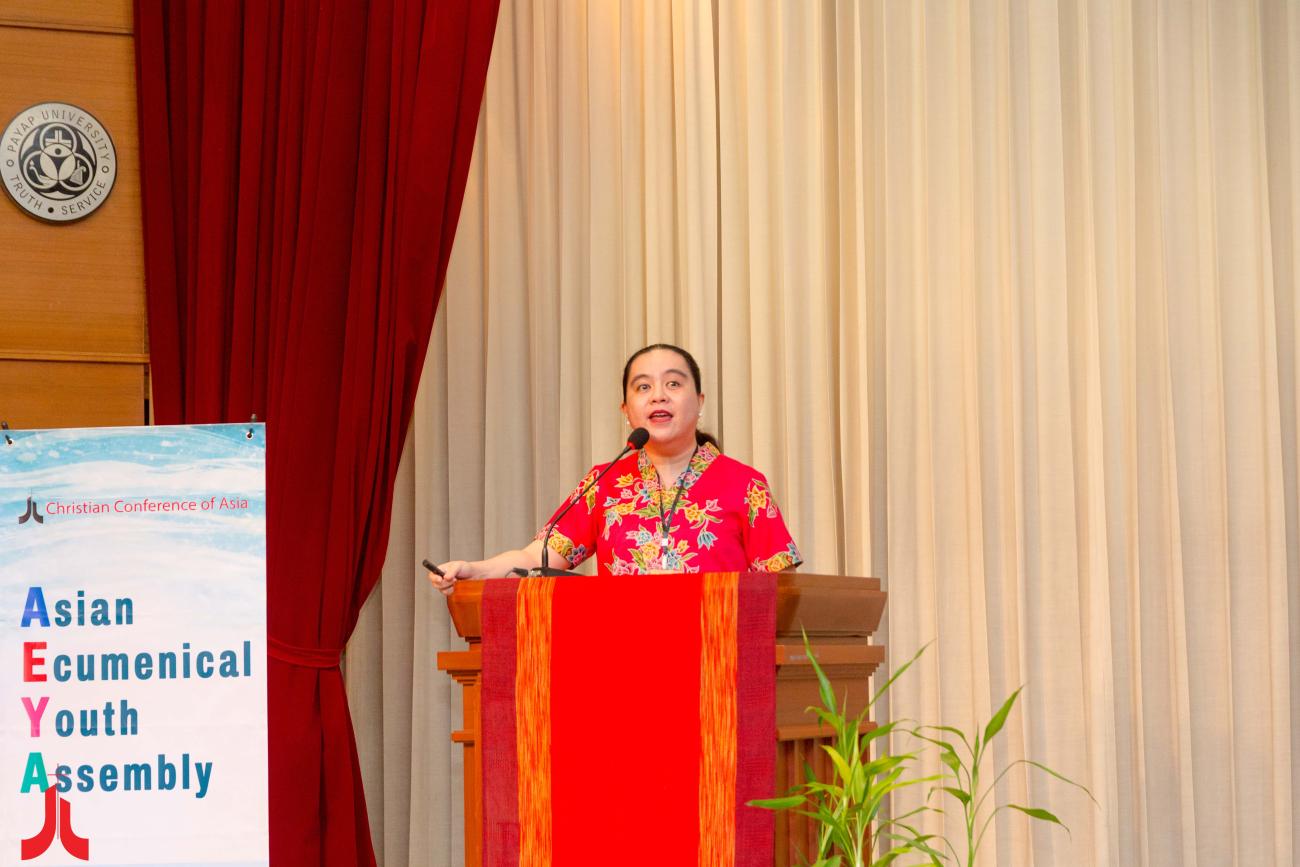
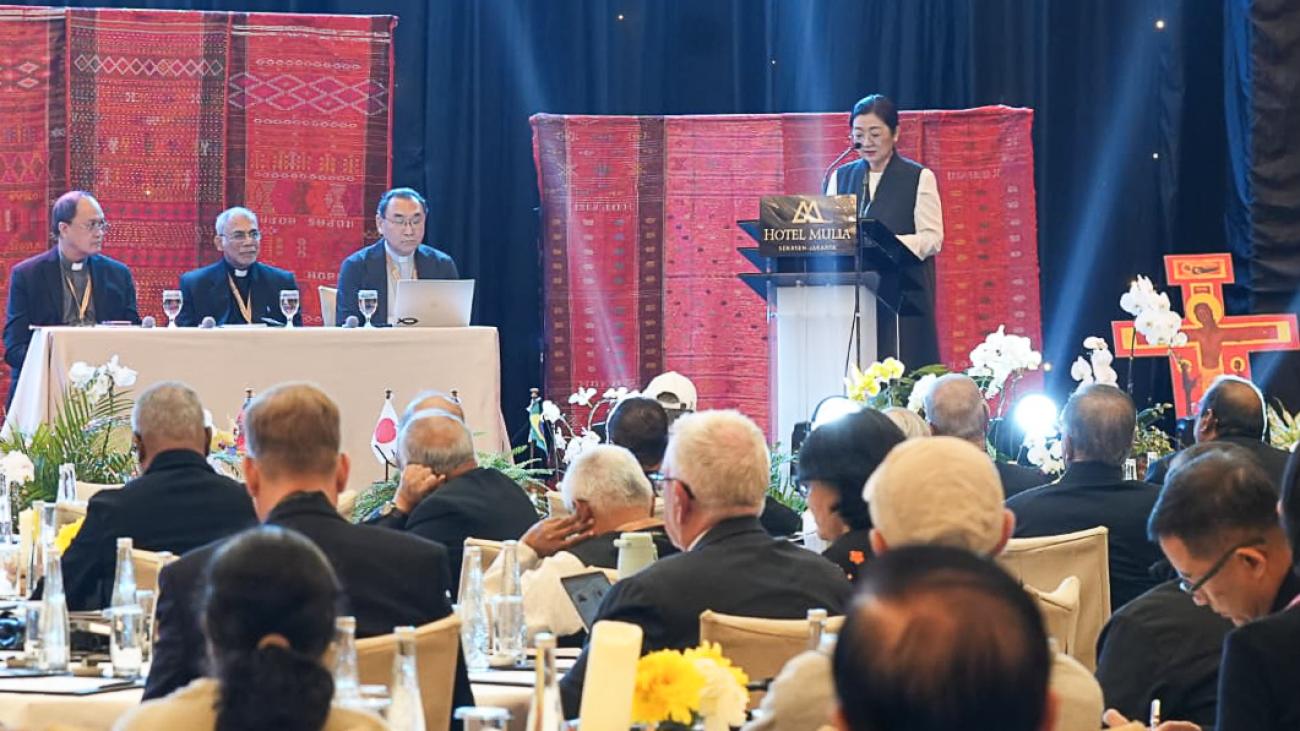
Chiang Mai, Thailand: Delivering the thematic address on the third day of the Asian Ecumenical Youth Asssembly, Rev. Dr Jeniffer Fresy P. Wowor, Professor of Christian Religious Education and Practical Theology at Duta Wacana Christian University in Indonesia, called on Asian youth to affirm their identity in Christ by embracing “place sharing” as a way of life in the digital era.
Speaking on “Break Every Yoke: When Faith Under the Yoke, Affirm Identity in Christ”, Indonesian woman theologian Dr Wowor highlighted prophet Isaiah’s call to “break every yoke” as a challenge not only to personal spirituality but also to relational and social transformation in contemporary contexts.
Dr Wowor argued that the prophetic message of Isaiah 58 moves beyond outward religious observance and calls for the purification of practices such as fasting and Sabbath so that they become expressions of justice, relational care, and authentic faith. She emphasised that for today’s youth, particularly in Asia, this message speaks directly into a digital culture where identity is often shaped by algorithms, self-presentation, and the pursuit of online affirmation.
At the heart of her thematic address was the concept of “place sharing”, modelled on the ministry of Jesus Christ. She described it as an intentional, relational presence that enters into the realities of others with humility and compassion. In this sense, “breaking every yoke” becomes not only a spiritual metaphor but a lived practice that restores dignity and builds authentic community. Such an approach offers a vital corrective to the isolating and performative tendencies of digital life, she noted.
Dr Wowor stressed that identity in Christ is not constructed through digital visibility or perfection, but formed through relationships marked by vulnerability, mutual care, and faithful presence. “‘Place sharing’ calls young people to move beyond surface-level interaction and towards deeper engagement with God, with themselves, and with others, affirming a faith identity grounded in participation in God’s transforming work”, she added.
Highlighting practical implications, Dr Wowor, an ordained minister of the Protestant Church in Western Indonesia, outlined three interconnected practices for youth navigating faith in the digital age: reflecting, caring and transforming.
Reflecting involves cultivating intentional rhythms of prayer, meditation, and even digital fasting, echoing the spirit of Book of Isaiah 58 and helping young people reorient their lives away from self-centred digital consumption towards attentiveness to God and others.
Caring emphasises holistic self-care that resists the pressures of digital perfectionism, calling youth to embrace their vulnerability and limits while fostering genuine concern for others, so that the inward freedom gained through Sabbath and fasting becomes outward compassion.
Transforming moves beyond personal spirituality by urging young people to embody social piety through engagement with real-world injustices, from local challenges in Asia to global crises, as a natural outflow of a faith identity grounded in Jesus Christ and lived out through “place sharing”.
Dr Worwor emphasised that, together, these practices form a dynamic and integrated way of life through which Asian youth, navigating the digital era, are called to affirm identity in Christ through “place sharing” by resisting self-centred narratives and participating actively in God’s work of liberation, embodying the call of Isaiah 58 to truly break every yoke.
The session was moderated by Soo Bok Lee from the Presbyterian Church in Korea.
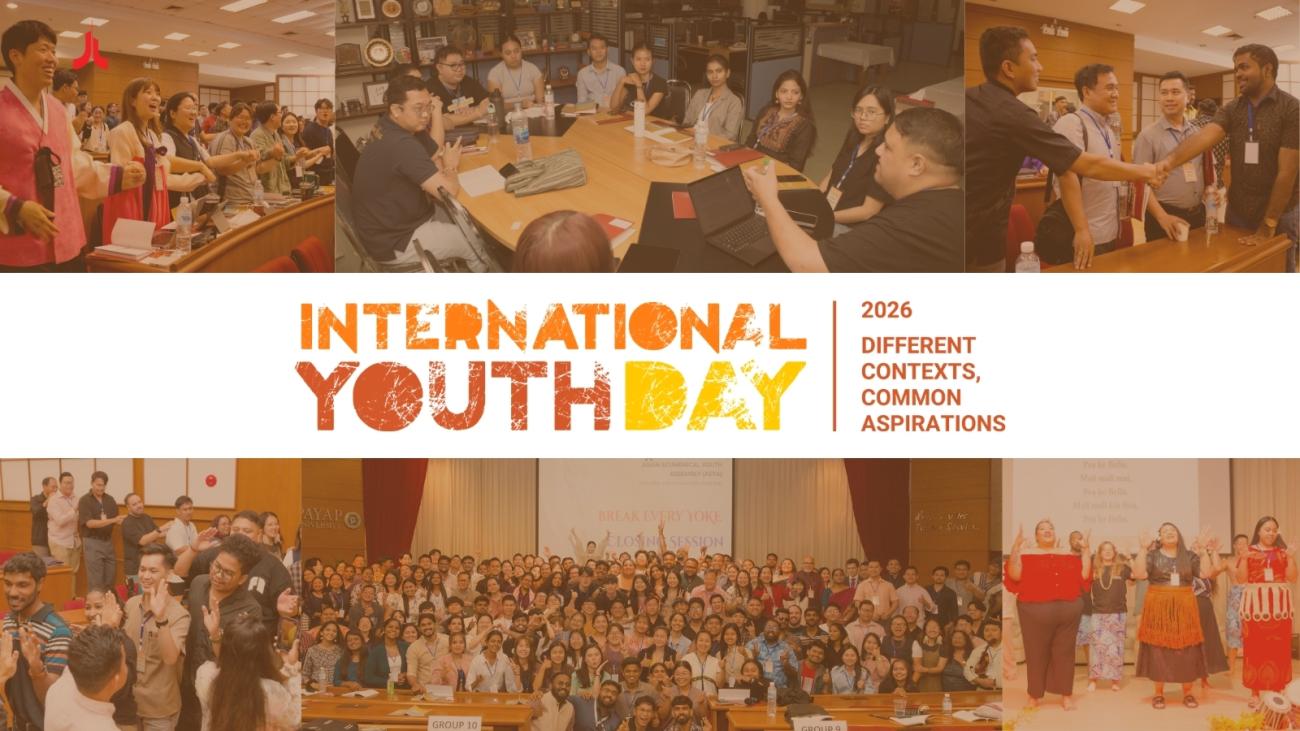
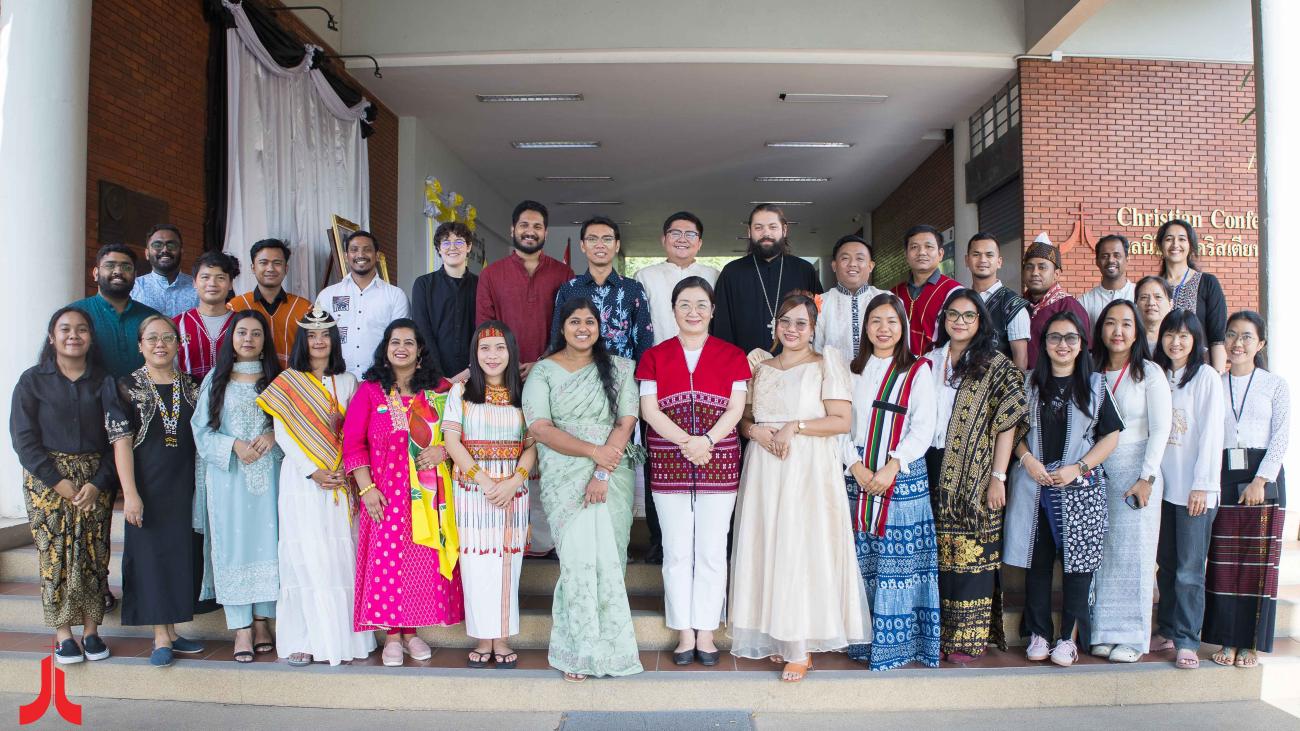
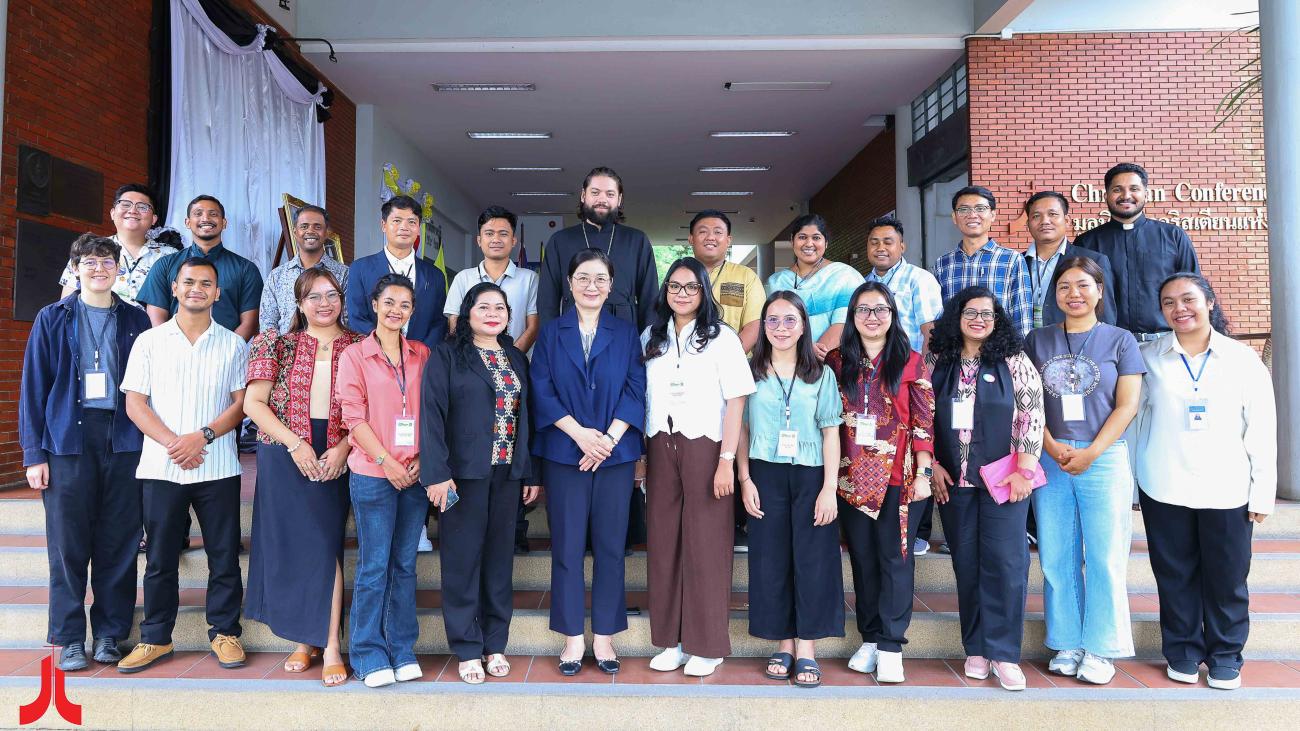
Photos of Day 3 of the Asian Ecumenical Youth Assembly (AEYA-2026) can be found here.