CCA mourns the passing of distinguished Sri Lankan theologian and scholar Fr Aloysius Pieris SJ
Programme Review and Programme Direction

Two key deliberative sessions during the 15th CCA General Assembly are the Programme Review and Programme Direction sessions.

The Programme Review and Programme Direction sessions will both be conducted in three groups relating to the CCA’s programme areas, namely, (i) General Secretariat (GS), (ii) Mission in Unity and Contextual Theology (MU) and Ecumenical Leadership Formation and Spirituality (EF); and (iii) Building Peace and Moving Beyond Conflicts (BP) and Prophetic Diakonia (PD).

Assembly participants will have the option to join one of three groups for both the Programme Review and Programme Direction sessions. For the sake of coherence, the assigned group will remain the same for both sessions.

General Secretariat

The General Secretariat oversees the coordination of programmatic, administrative, and financial activities of the organization. The GS comprises various departments such as church and ecumenical relations, relations with ecumenical partners, finance, administration, and communications, which provide crucial support and services for the implementation of programs and contribute to the overall functioning of the CCA.

Programmes: Relations with member churches and councils, ecumenical partners; advocacy at the United Nations; ecumenical responses to emerging issues in solidarity; income development and finance; and communications.

Mission in Unity and Contextual Theology (MU) and Ecumenical Leadership Formation and Spirituality (EF)

Under the MU programme area, the CCA accompanies Asian churches to strengthen their mission and witness in multi-religious contexts, revitalise and nurture church unity and the Asian ecumenical movement, and develop contextual theological foundations.

Programmes: Asian Movement for Christian Unity (AMCU); Congress of Asian Theologians (CATS); Asian women doing theology in the context of wider ecumenism; contextualisation of theology in Asia and ecumenical theological education.

The EF programme area focuses on nurturing and developing ecumenical leaders in Asia. The programme aims to enhance spiritual formation and theological understanding, enabling people to actively engage in ecumenical dialogue and collaboration.

Programmes: Ecumenical Enablers’ Training in Asia (EETA); Asian Ecumenical Institute (AEI); Youth and Women Leadership Development; Ecumenical Spirituality and Nurturing of Contextual Liturgical Traditions; Asia Sunday

Building Peace and Moving Beyond Conflicts (BP) and Prophetic Diakonia and Advocacy (PD)

The BP programme area is dedicated to promoting peace, justice, and reconciliation in Asia’s diverse contexts. Through training, advocacy, and dialogue, the programme addresses the root causes of conflicts, empowers communities, and fosters sustainable peacebuilding initiatives.

Programmes: Pastoral Solidarity Visits; Churches in Action for Moving Beyond Conflict and Resolution; Young Ambassadors of Peace in Asia (YAPA); Ecumenical Women’s Action Against Violence (EWAAV); Eco-Justice for Sustainable Peace in the Oikos.

The PD programme area focuses on promoting justice, human rights, and social transformation in Asia. Through advocacy, capacity-building, and raising awareness, the programme addresses systemic injustice, empowers marginalised communities, and advocates for prophetic actions and meaningful change.

Programmes: Human Rights advocacy; Migration, Statelessness, and Trafficking in Persons; Asian Ecumenical Disability Advocacy Network; Asian Advocacy Network on the Dignity and Rights of Children (AANDRoC); Ecumenical Solidarity Accompaniment and Diakonia in Asia (ESADA); Health and Healing; Good Governance; Action Together to Combat HIV and AIDS in Asia (ATCHAA).

No preference updated.

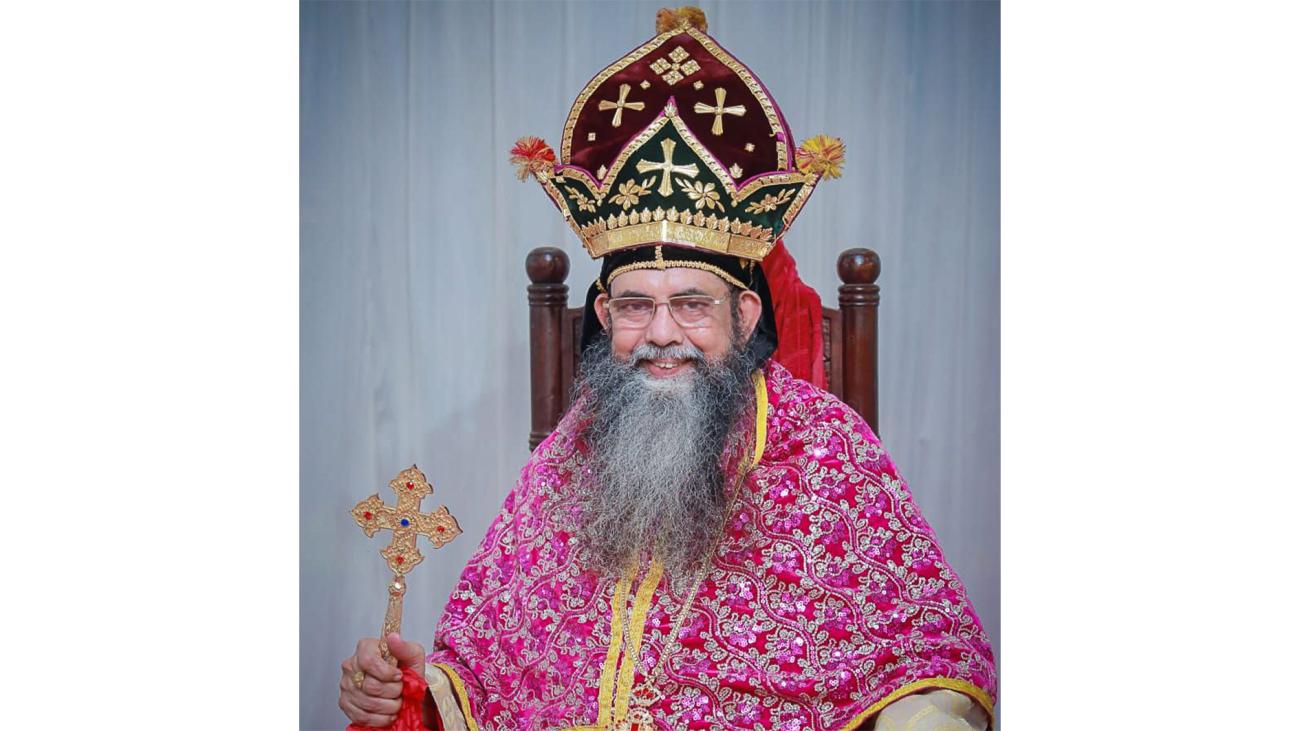
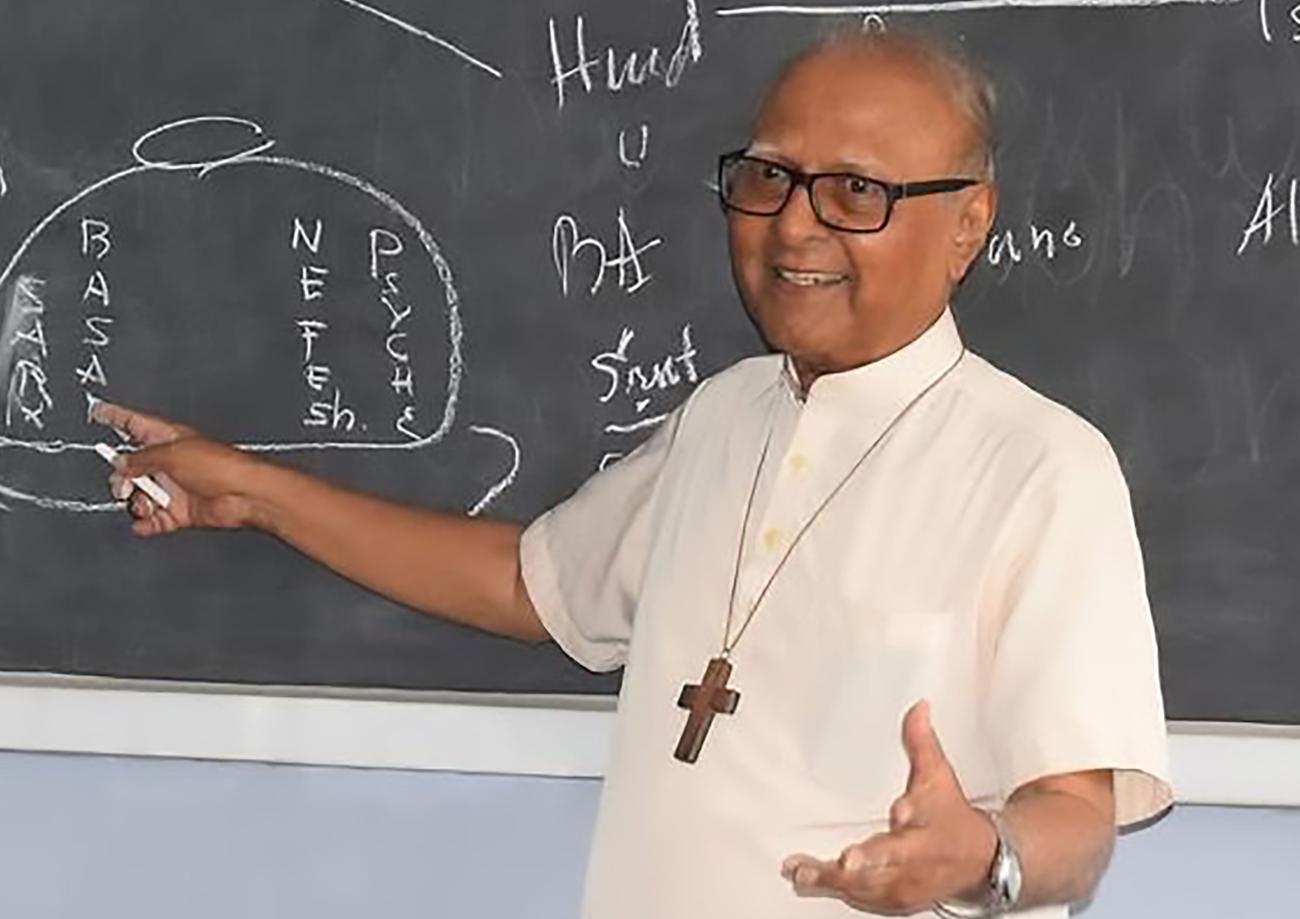
    Picture credits: OIHL, Sri Lanka

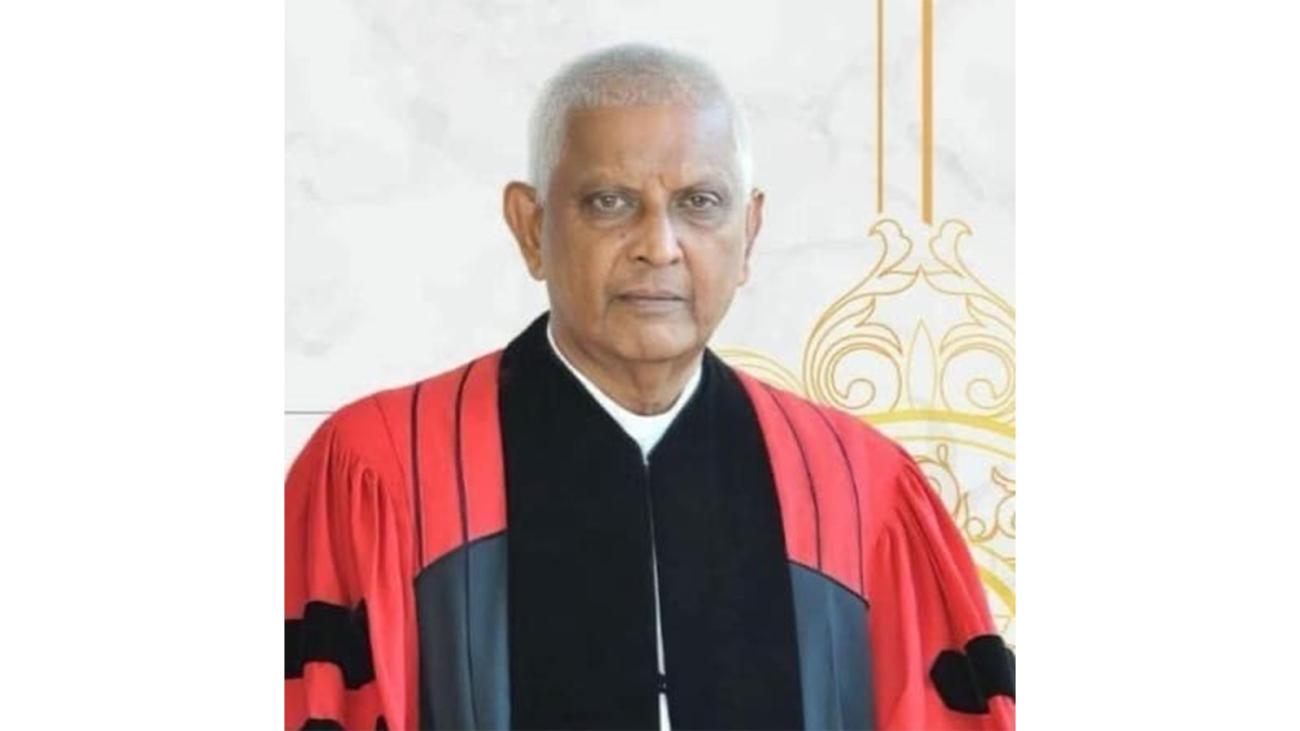
    Chiang Mai, Thailand: Fr Aloysius Pieris SJ, a distinguished Sri Lankan Jesuit theologian and scholar known for his contributions to liberation theology, inter-religious dialogue, and social justice, passed away on 22 March 2026 at the age of 91.

    The General Secretary of the Christian Conference of Asia (CCA), Dr Mathews George Chunakara, expressed deep sorrow at the passing of the distinguished Sri Lankan theologian and proponent of inter-religious dialogue, who had been a close associate of the CCA for many decades.

    Fr Pieris died at his residence at the Tulana Research Centre in Kelaniya, Sri Lanka, which he founded in 1974.

    Renowned globally as an illustrious voice in Asian theology, Fr Pieris articulated a vision of faith grounded in cultural and social realities. His sustained commitment to Christian – Buddhist engagement made him a unifying presence among diverse religious and cultural communities in Sri Lanka.

    Dr Mathews George Chunakara stated, “Fr Aloysius Pieris, an internationally recognised Asian theologian and scholar, devoted his entire life to shaping and strengthening the bond between Christian theological insights and Asian social realities”.

    “Fr Aloysius Pieris consistently inspired generations of Asian theological educators, motivating them to engage in rethinking and developing a contextual Christological paradigm. He articulated a distinctive understanding of Jesus’ life through liberational hermeneutics and emphasised the need for a Theology of Dialogue, with its praxis rooted in the Asian cultural context,” added Dr Chunakara, who has had numerous opportunities over the years to interact with Fr Pieris through his work with the CCA and the World Council of Churches (WCC).

    Dr Mathews George Chunakara recollected his last interaction with Fr Aloysius Pieris at the Tulana Research Centre, during a visit with members of the WCC’s Reference Group for the Pilgrimage of Justice, Reconciliation, and Unity, which met in Colombo, Sri Lanka, in March 2025.

    Fr Peiris possessed an exceptional academic record, holding degrees in philosophy, theology, classical languages, and music. He also earned a doctorate in Buddhist Studies, the first awarded to a non-Buddhist in Sri Lanka, and was proficient in Latin, Pali, and Sanskrit from a young age.

    He founded the Tulana Research Centre, which became a globally respected centre for inter-religious dialogue, theological reflection, and artistic expression. Through Tulana, he created a unique space where faith, culture, and social justice converged, inspiring generations. 

    Despite his global acclaim, Fr Pieris lived a life marked by simplicity, humility, and deep spiritual discipline. His solidarity with the poor and marginalised, and his steadfast support for progressive theological voices, earned him admiration across denominations and faith traditions.

    Fr Pieris authored more than 30 major works, delivered over 500 research papers, and contributed extensively to theological scholarship worldwide. He also lectured at leading academic institutions across the globe.

    The funeral of Fr Aloysius Pieris SJ will take place on 24 March 2026, followed by burial at the Tulana Research Centre in Gonawala, Kelaniya, Sri Lanka.