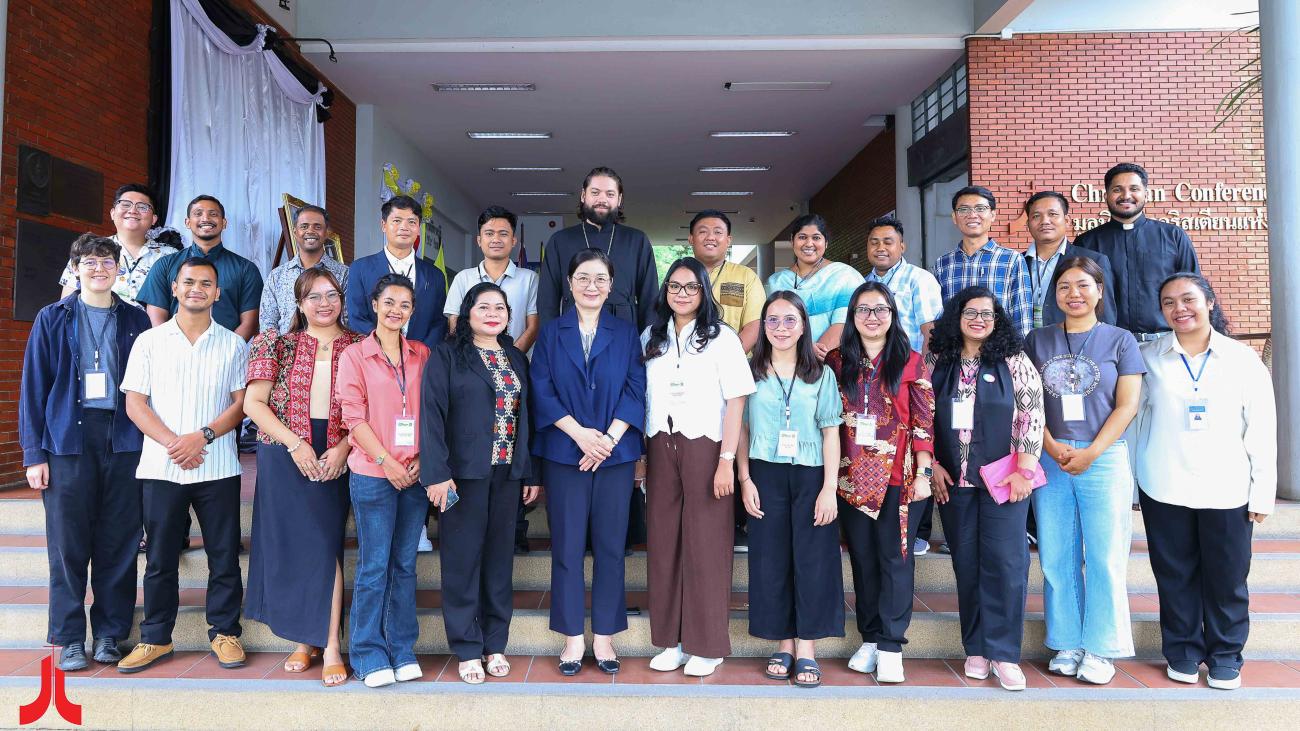
CCA Programme Committee reviews the implementation of strategic programme plans
Programme Review and Programme Direction

Two key deliberative sessions during the 15th CCA General Assembly are the Programme Review and Programme Direction sessions.

The Programme Review and Programme Direction sessions will both be conducted in three groups relating to the CCA’s programme areas, namely, (i) General Secretariat (GS), (ii) Mission in Unity and Contextual Theology (MU) and Ecumenical Leadership Formation and Spirituality (EF); and (iii) Building Peace and Moving Beyond Conflicts (BP) and Prophetic Diakonia (PD).

Assembly participants will have the option to join one of three groups for both the Programme Review and Programme Direction sessions. For the sake of coherence, the assigned group will remain the same for both sessions.

General Secretariat

The General Secretariat oversees the coordination of programmatic, administrative, and financial activities of the organization. The GS comprises various departments such as church and ecumenical relations, relations with ecumenical partners, finance, administration, and communications, which provide crucial support and services for the implementation of programs and contribute to the overall functioning of the CCA.

Programmes: Relations with member churches and councils, ecumenical partners; advocacy at the United Nations; ecumenical responses to emerging issues in solidarity; income development and finance; and communications.

Mission in Unity and Contextual Theology (MU) and Ecumenical Leadership Formation and Spirituality (EF)

Under the MU programme area, the CCA accompanies Asian churches to strengthen their mission and witness in multi-religious contexts, revitalise and nurture church unity and the Asian ecumenical movement, and develop contextual theological foundations.

Programmes: Asian Movement for Christian Unity (AMCU); Congress of Asian Theologians (CATS); Asian women doing theology in the context of wider ecumenism; contextualisation of theology in Asia and ecumenical theological education.

The EF programme area focuses on nurturing and developing ecumenical leaders in Asia. The programme aims to enhance spiritual formation and theological understanding, enabling people to actively engage in ecumenical dialogue and collaboration.

Programmes: Ecumenical Enablers’ Training in Asia (EETA); Asian Ecumenical Institute (AEI); Youth and Women Leadership Development; Ecumenical Spirituality and Nurturing of Contextual Liturgical Traditions; Asia Sunday

Building Peace and Moving Beyond Conflicts (BP) and Prophetic Diakonia and Advocacy (PD)

The BP programme area is dedicated to promoting peace, justice, and reconciliation in Asia’s diverse contexts. Through training, advocacy, and dialogue, the programme addresses the root causes of conflicts, empowers communities, and fosters sustainable peacebuilding initiatives.

Programmes: Pastoral Solidarity Visits; Churches in Action for Moving Beyond Conflict and Resolution; Young Ambassadors of Peace in Asia (YAPA); Ecumenical Women’s Action Against Violence (EWAAV); Eco-Justice for Sustainable Peace in the Oikos.

The PD programme area focuses on promoting justice, human rights, and social transformation in Asia. Through advocacy, capacity-building, and raising awareness, the programme addresses systemic injustice, empowers marginalised communities, and advocates for prophetic actions and meaningful change.

Programmes: Human Rights advocacy; Migration, Statelessness, and Trafficking in Persons; Asian Ecumenical Disability Advocacy Network; Asian Advocacy Network on the Dignity and Rights of Children (AANDRoC); Ecumenical Solidarity Accompaniment and Diakonia in Asia (ESADA); Health and Healing; Good Governance; Action Together to Combat HIV and AIDS in Asia (ATCHAA).

No preference updated.

    CCA Programme Committee Meeting - 2026

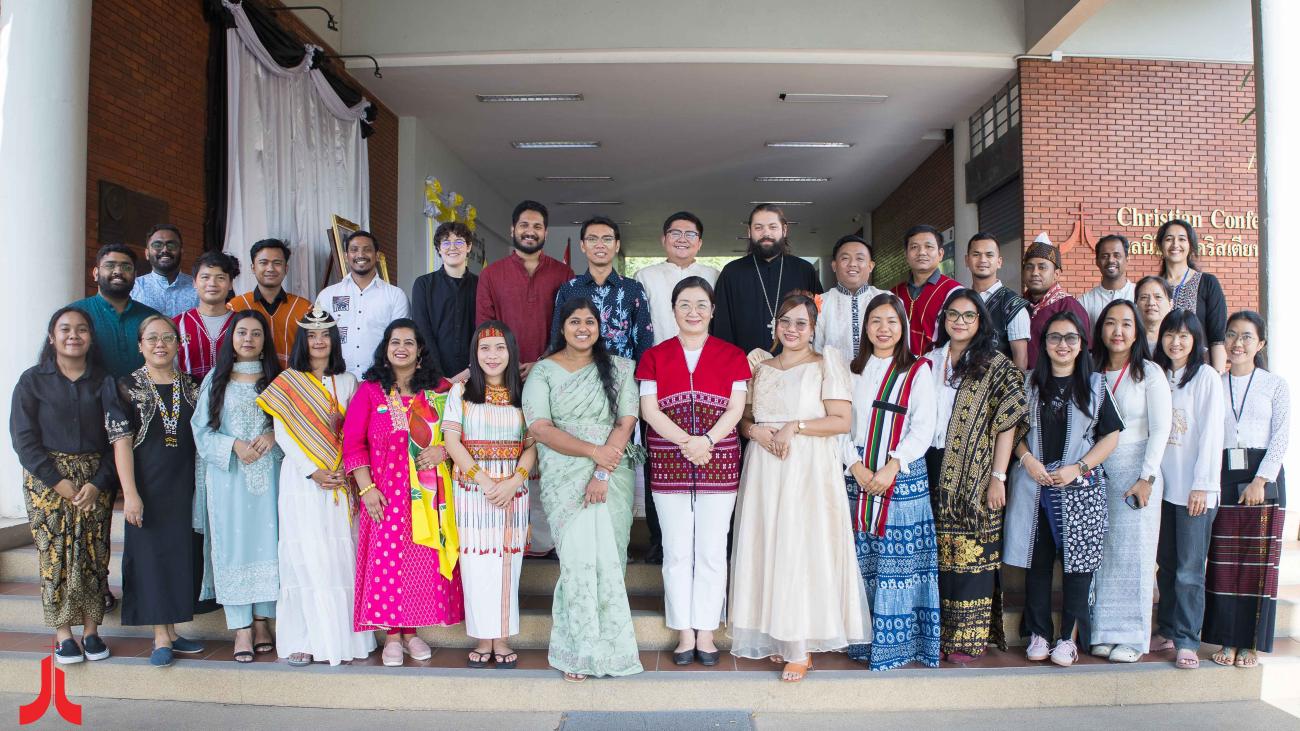
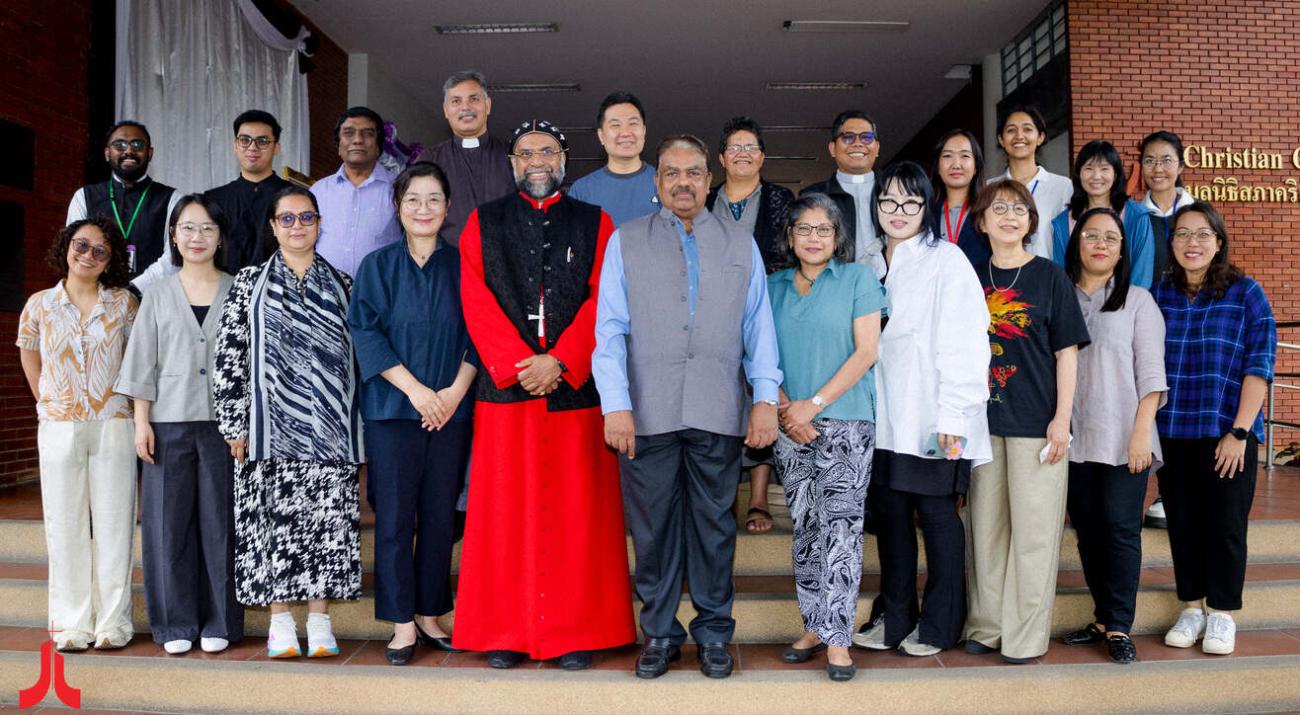
    Chiang Mai, Thailand: The Programme Committee of the Christian Conference of Asia (CCA) convened its second meeting to review programmes implemented over the past two years in four programme areas, and to help shape CCA’s future directions for the period 2026-2029.

    The Programme Committee met at the CCA headquarters in Chiang Mai, Thailand, from 29 to 30 May 2026.

    CCA General Secretary Dr Mathews George Chunakara, in his introductory address, outlined the Programme Committee's mandate and the procedures to be followed in reviewing the implementation of activities.

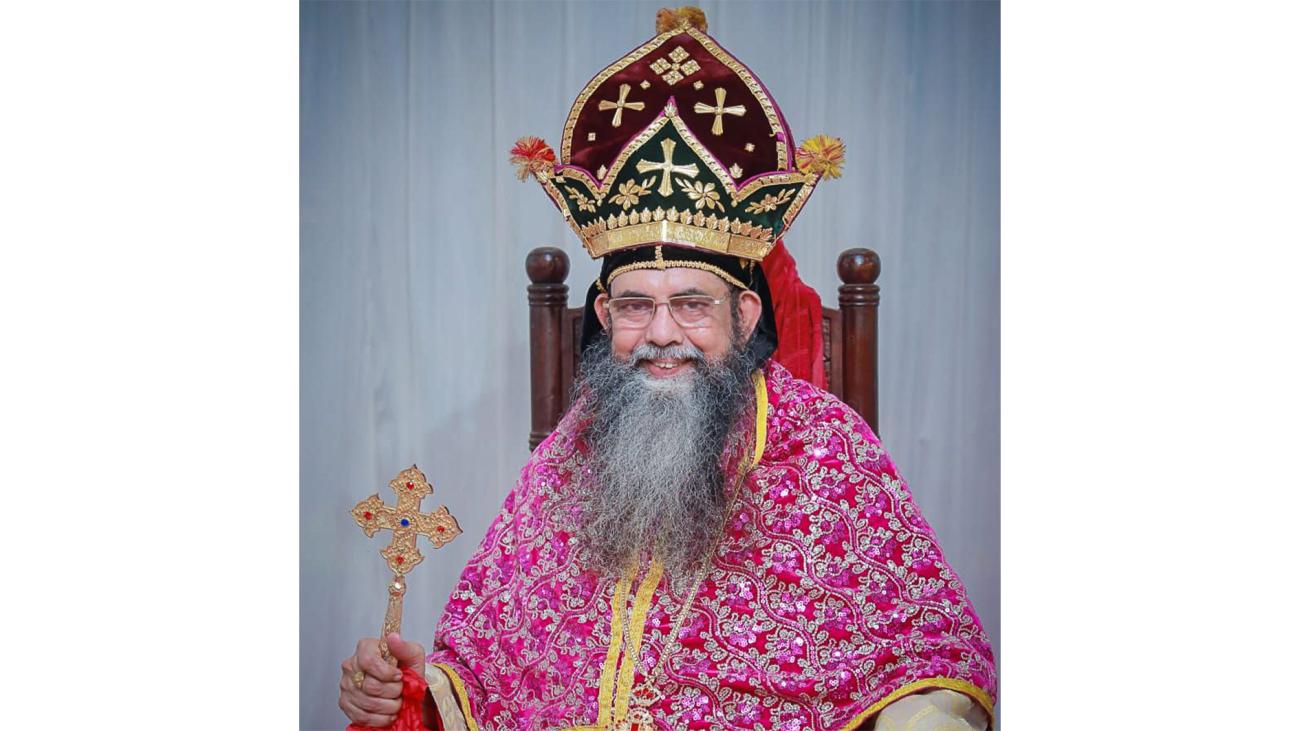
    Chairperson of the Programme Committee, Dr Kuriakose Mor Theophilose Metropolitan, reflected on the context of a rapidly changing Asia and the relevance of CCA programmes. He noted that churches across the region are grappling with numerous challenges and emphasised the imperative for the CCA’s witness and ministry to remain relevant, responsive, and prophetic.

    The Committee reviewed and evaluated 44 programmes and activities implemented by the CCA between May 2024 and May 2026. The members also examined the CCA’s strategic programme thrusts and discussed programmes and activities for the period 2026–2029.

    The Programme Committee commended the CCA’s Ecumenical Enablers Programme for its engagement in vulnerable and high-risk contexts, including the ecumenical formation training programme for Bible school teachers in the Mae Sot refugee camps along the Thailand-Myanmar border. It was recommended that these initiatives be sustained and further expanded.

    While reviewing the strategic programme priorities for the period leading up to the next CCA Assembly, the Committee suggested new issues and themes to be addressed over the next two years, including Asian contextual theology, migration and diaspora churches, training of ecumenical enablers, the ecumenical formation of the younger generation, as well as specific recommendations for the Asia Mission Conference and the Congress of Asian Theologians (CATS). The Programme Committee sought to strengthen and refine evaluation processes and impact assessment tools to better measure the effectiveness, sustainability, and long-term impact of CCA programmes and initiatives.

    The Committee also recommended developing guiding principles on good governance that are practical, adaptable, and relevant to churches and denominations across diverse ecclesial traditions.

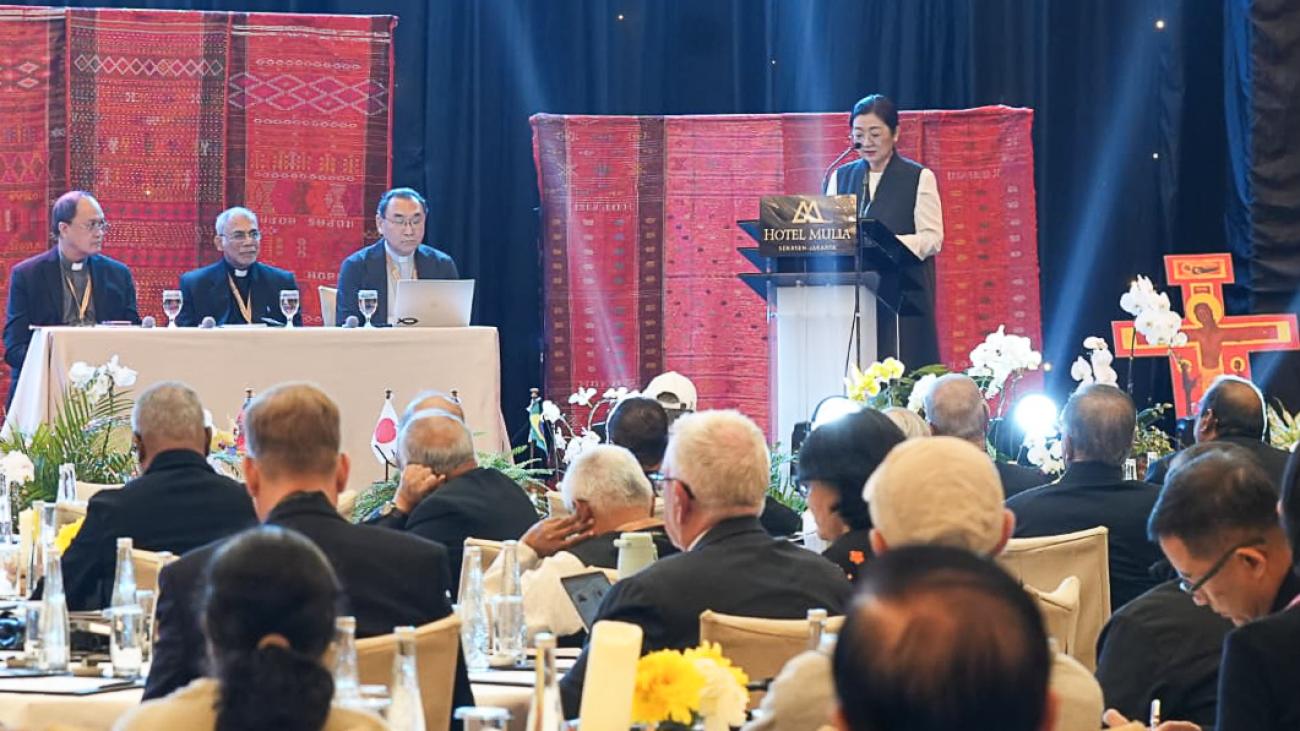
    Suk-Yi Pang of the Hong Kong Christian Council, who delivered the Biblical theological reflection based on Romans 8:19–23, called on churches across Asia to renew their vocation as caretakers of creation and agents of hope amid ecological, social, and political crises.

    Photos from the CCA Programme Committee Meeting 2026 can be found here.