Young Asian ecumenical leaders encouraged to explore a holistic vision of ecumenical diakonia at CCA virtual workshop
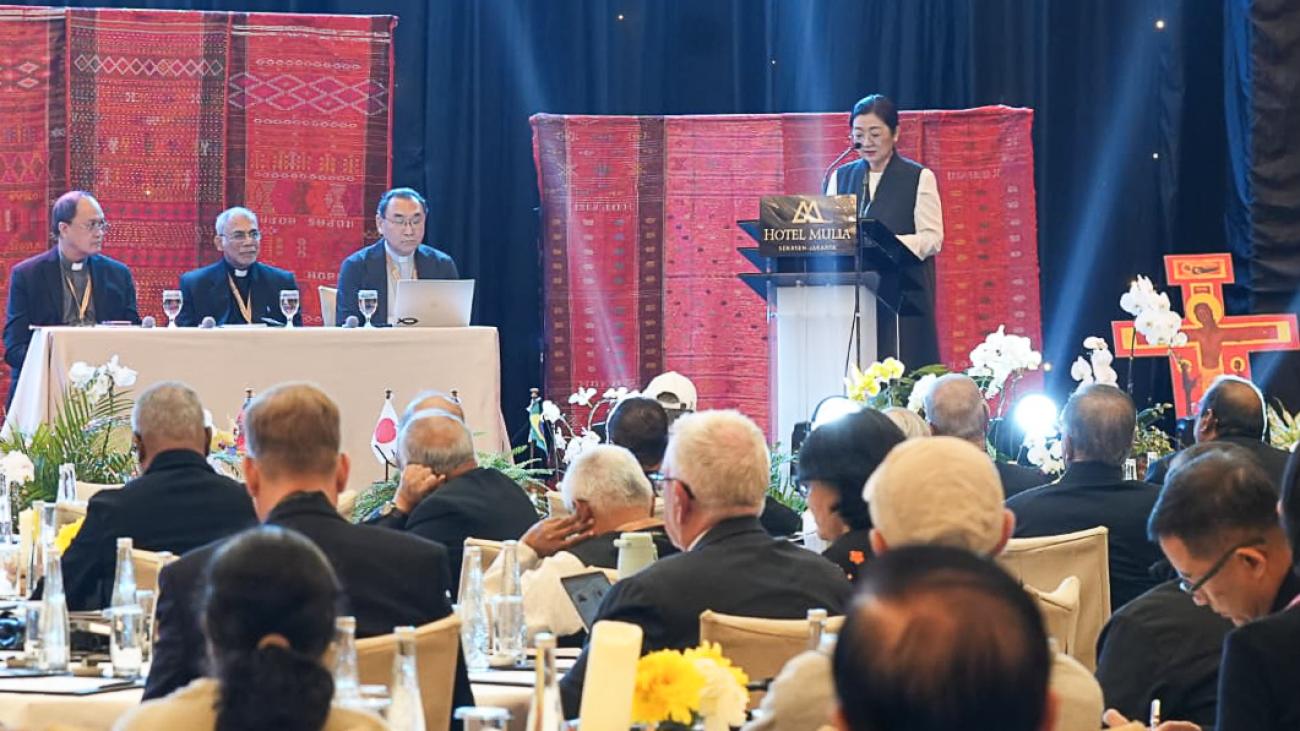
Chiang Mai, Thailand: Young ecumenical leaders from across Asia were encouraged to embrace a holistic vision of ecumenical diakonia as Rev. Jung Eun Grace Moon, General Secretary of the Christian Conference of Asia (CCA), affirmed that Christian service must go beyond addressing immediate human needs and engage with the structural and systemic realities that perpetuate injustice.
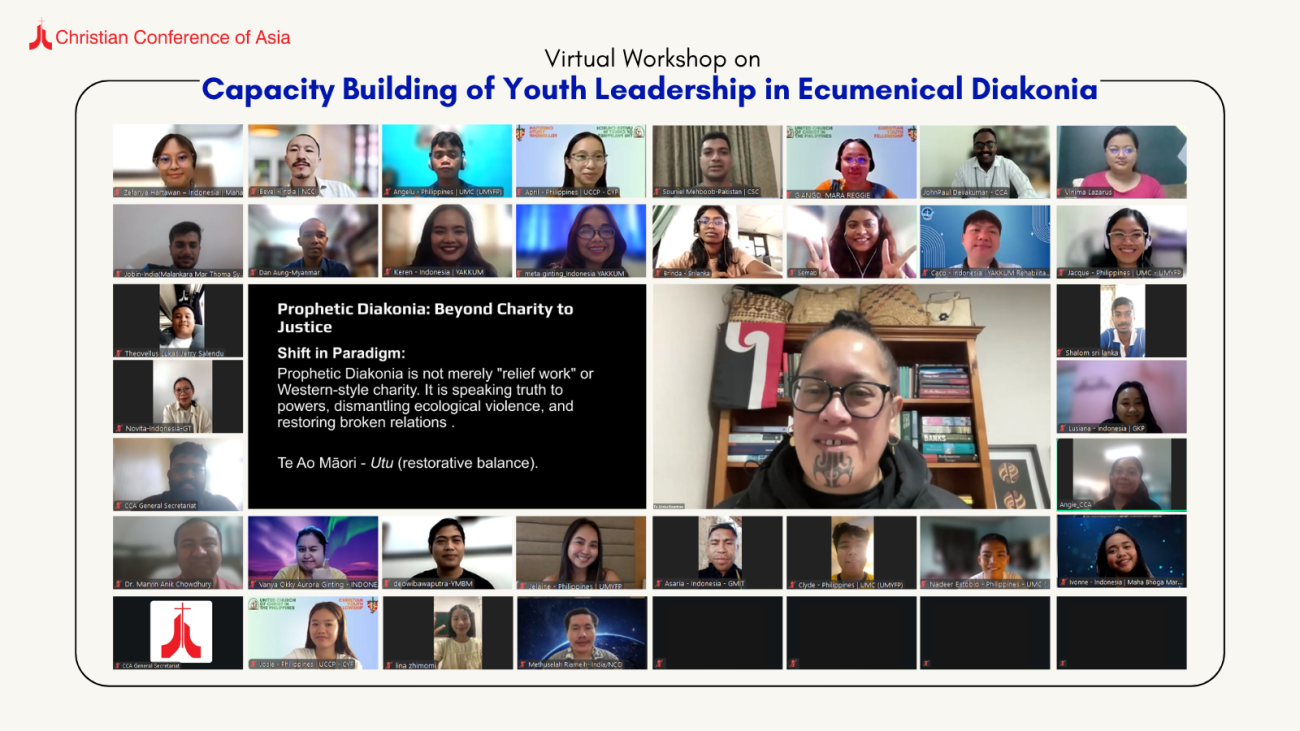
Speaking at CCA’s Capacity Building Workshop on Youth Leadership in Ecumenical Diakonia on 5 August 2026, Rev. Moon underscored the urgency of the Church’s diaconal calling amid growing social and environmental challenges across Asia.
During the session on “Biblical and Theological Foundations of Ecumenical Diakonia”, Rev. Moon reminded participants that diakonia lies at the heart of the Church’s identity and mission. She emphasised that diakonia is more than charitable service; it is the Church’s faithful participation in God’s mission of healing, justice, reconciliation, and hope, and a fundamental expression of Christian discipleship.
Rev. Moon highlighted that diakonia must hold together compassion and advocacy, service and transformation, and local action and global solidarity, while remaining attentive to the interconnected cries of both the earth and the poor.
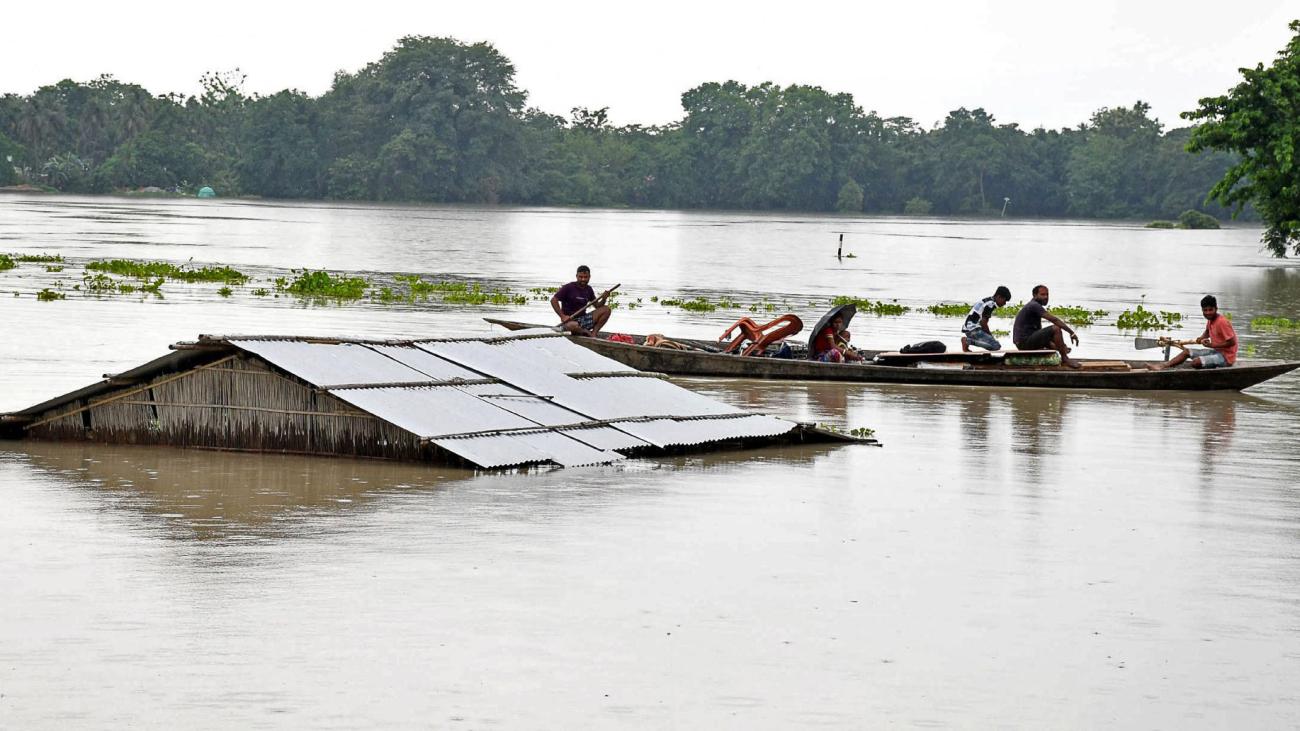
Reflecting on the realities confronting Asia, the CCA General Secretary noted that the region is marked by deep inequalities, forced migration, labour exploitation, armed conflict, environmental degradation, and increasing vulnerability among marginalised communities. In such a context, she stressed that the Church cannot remain silent, distant, or inward-looking, but is called to become the presence of Christ among those who suffer by listening to their pain, sharing their burdens, and working towards a more just and peaceful society.
Affirming the role of young people in the Church’s mission, Rev. Moon said the three-day workshop provides an opportunity to nurture their calling as leaders who connect faith with the realities of the world today. She reiterated that their voices, insights, and leadership are indispensable in advancing social transformation through diakonia.
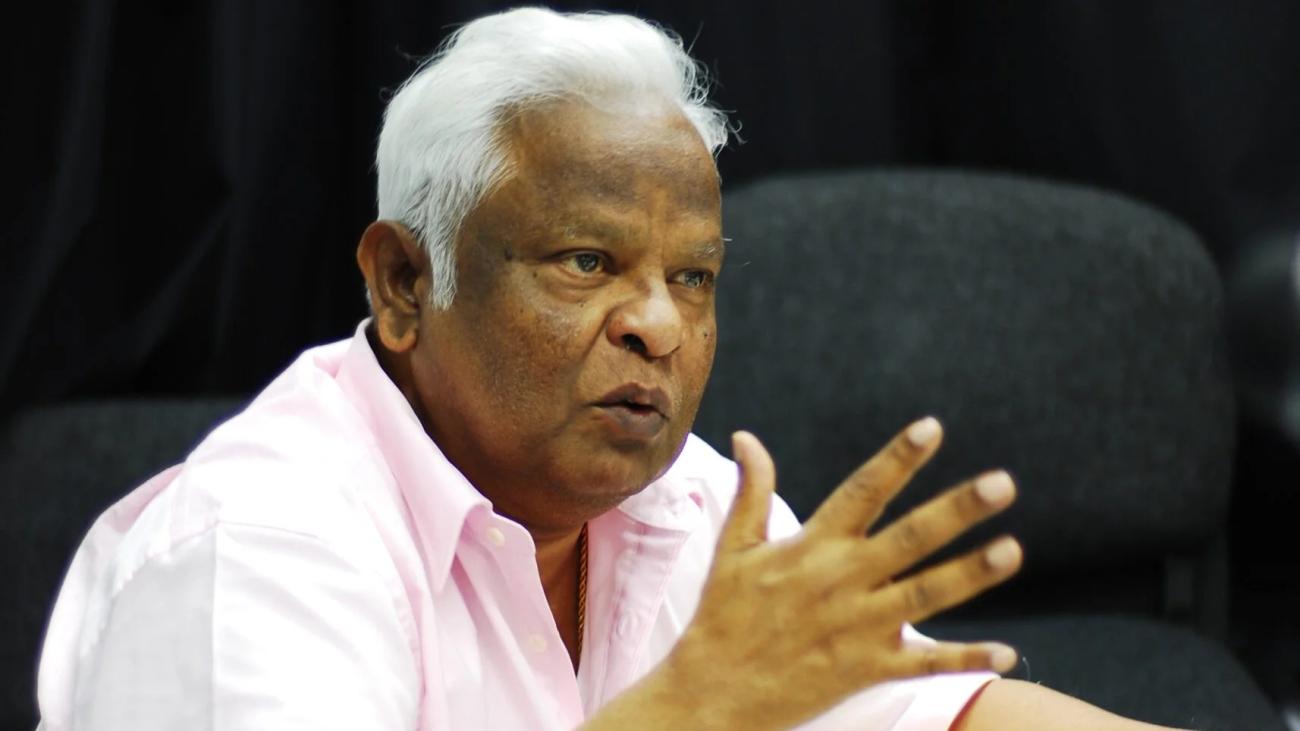
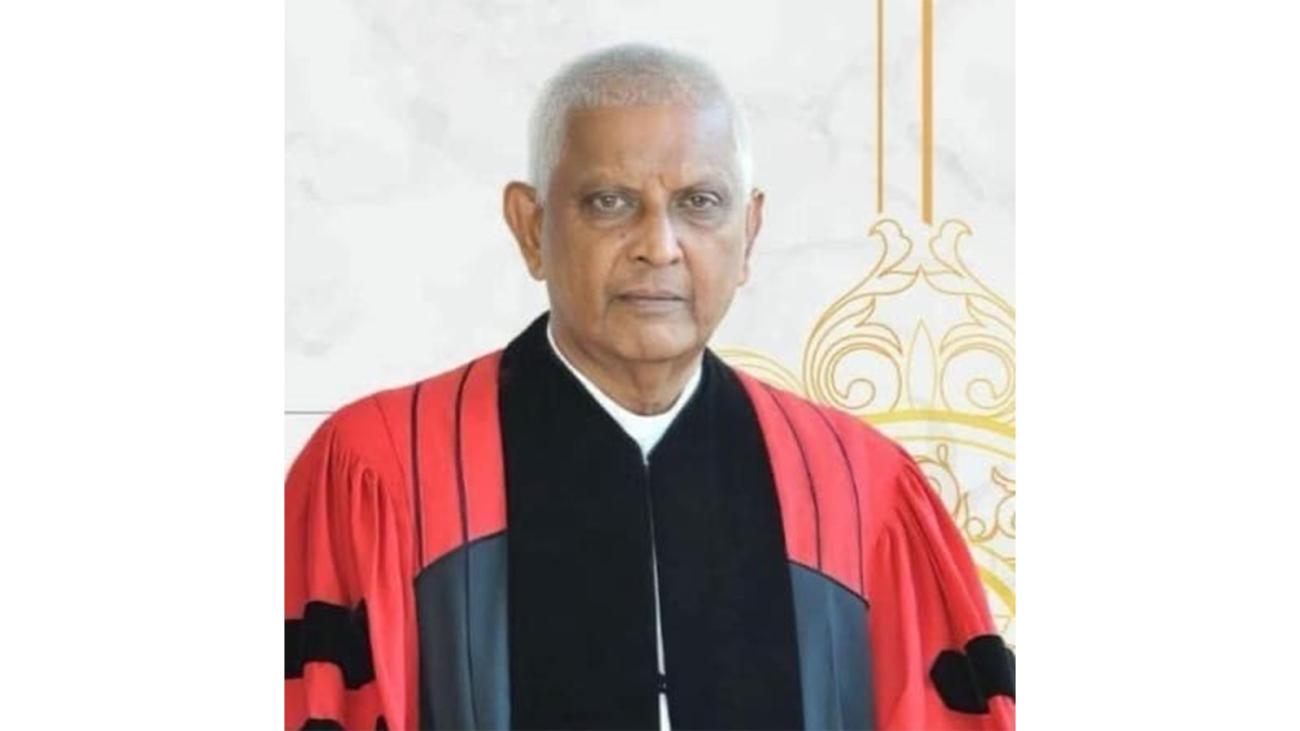
Dr Manoj Kurian, Director of the Commission of the Churches on Health and Healing of the World Council of Churches, led the session on “Understanding Diakonia in the Contemporary Asian Context,” where he emphasised that worship is the source from which diakonia flows.
Drawing from the Hebrew concept of avodh, he stated that worship, work, and service are inseparable dimensions of Christian discipleship, reminding participants that true service begins with an encounter with God and finds expression in faithful witness to the world.
Examining the Asian context, Dr Kurian noted that although Christians constitute a minority across much of the region, they remain a dynamic and vibrant community called to bear witness through ecumenical diakonia. He highlighted three interrelated dimensions of diakonia embodied by churches and ecumenical organisations across Asia: accompaniment and service, capacity strengthening, and advocacy with prophetic action.
Stressing that accompaniment must never become patronage, Dr Kurian reminded participants that the Church is called to walk alongside communities in solidarity rather than merely provide assistance. He challenged the expression “the voice of the voiceless,” arguing that every person already has a voice and that the Church’s responsibility is to create spaces where marginalised people are empowered to speak and be heard. “We have to raise up leaders and make sure that we speak truth,” Dr Kurian said, emphasising that prophetic witness remains an indispensable dimension of ecumenical diakonia.
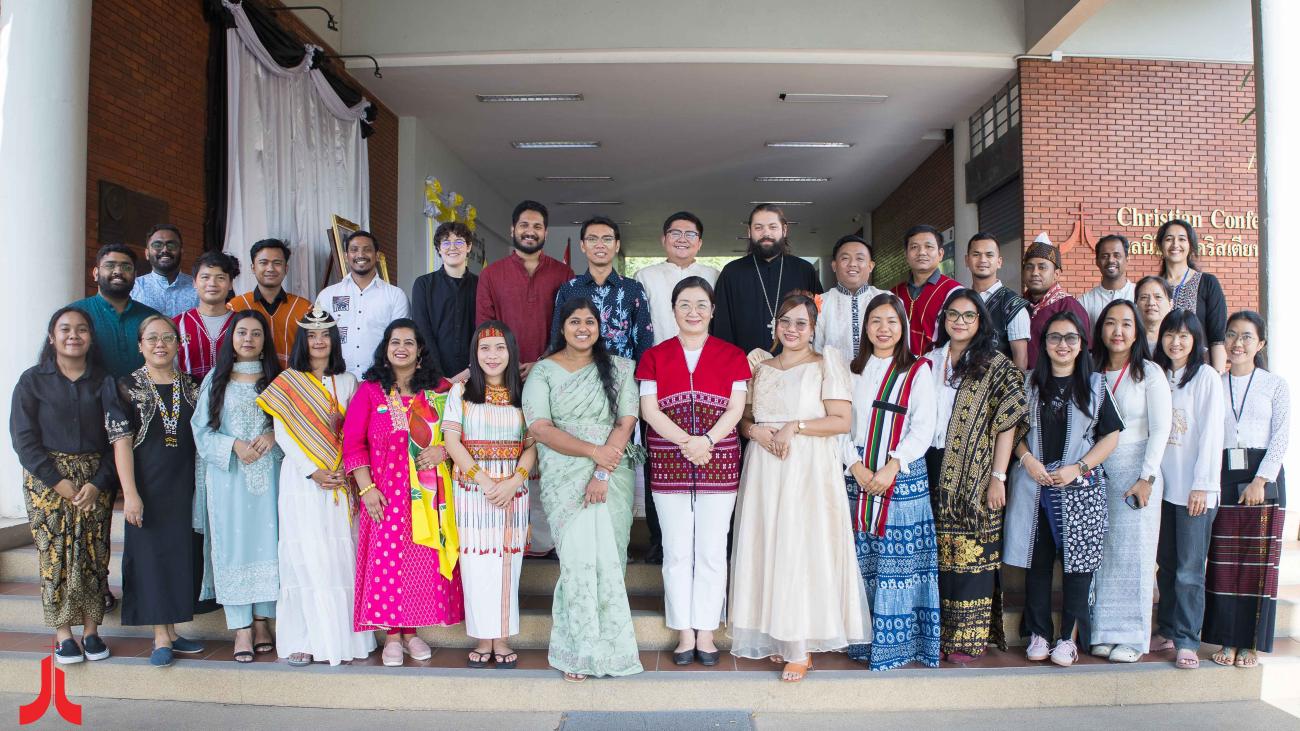
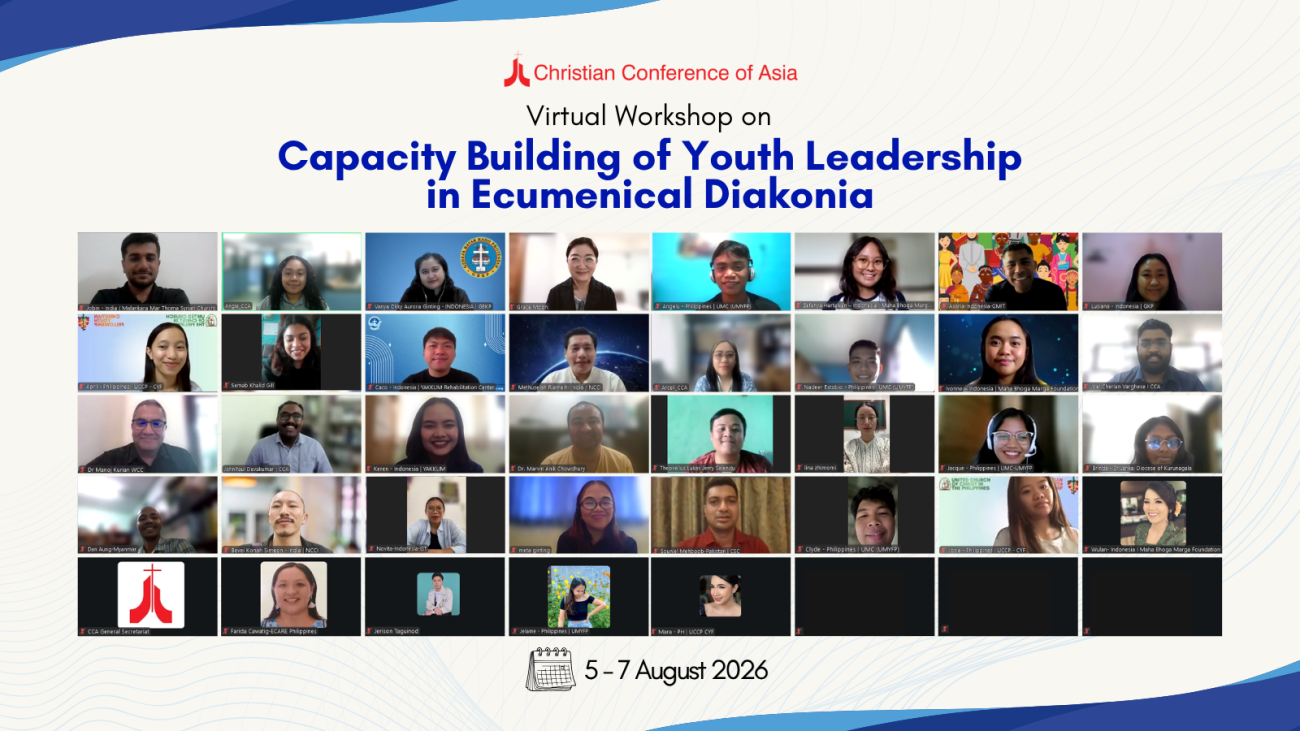
The virtual workshop, taking place from 5 to 7 August 2026, brings together more than 37 participants from across Asia for theological reflection, contextual engagement, and discussions on youth leadership, climate justice, community resilience, sustainable development, and strengthening regional collaboration through CCA’s Ecumenical Diakonia Network in Asia (EDNA).